How to Remove Brown Stains From Shower Grout
Brown stains in shower areas are a common issue caused by mineral buildup, soap scum, and mold. This practical guide walks through proven methods to restore grout color and keep it clean with common cleaning tools and consumer-friendly products.
Quick Answer
Identify the stain source (mold, rust, or mineral deposits) and choose an appropriate method: gentle cleaning with a scrub brush for light staining, or more aggressive options like a pumice stone for persistent grout stains. Regular maintenance prevents future buildup.
What You’ll Need
- Grout cleaning brush nylon stiff bristles bathroom for scrubbing grout lines
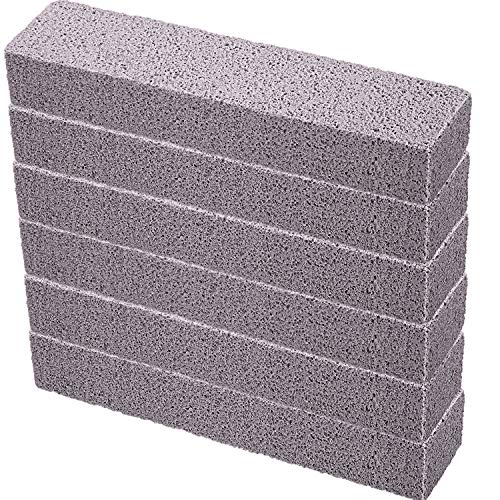
- Pumice stone for brown grout stains bathroom tile to tackle stubborn discoloration
- Bathroom cleaning scrub brush set long handle grout brush for hard-to-reach areas


Before You Start
Clear the bathroom area and protect nearby surfaces with a plastic sheet or towels. Ventilate the space well to minimize fumes when using cleaners. Test any cleaner on a small, inconspicuous grout spot first to ensure it does not damage the tile or grout. Time estimates vary from 15 minutes for light stains to 60 minutes for heavy buildup; plan accordingly. Avoid mixing cleaners, especially ammonia with bleach, as this can create hazardous fumes.
Step-By-Step: How To Remove Brown Stains From Shower Grout
- Dry the shower to prevent dilution of cleaning agents and to observe the true stain intensity.
- Apply a mild, non-acid cleaner to the grout line and let it sit for 5–10 minutes to loosen soap scum.
- Scrub along the grout lines with the grout cleaning brush nylon stiff bristles bathroom using firm, perpendicular strokes.
- Rinse thoroughly with warm water and inspect for remaining staining.
- For persistent brown stains, dampen a Pumice stone for brown grout stains bathroom tile and gently rub it over the grout, keeping the stone in constant contact with wet grout to avoid scratching.
- Wipe away residue, allow the area to dry, and re-evaluate. If any staining remains, repeat the process or switch to a stronger cleaner designed for grout.
- For broad coverage, use the bathroom cleaning scrub brush set long handle grout brush to reach all corners and corners of the shower.
- Seal the grout after it is completely dry to reduce future staining and mold growth.
- Document which method worked best for future maintenance and stain prevention.
- Schedule routine cleaning to minimize buildup and extend grout life.
- Store tools in a dry area to prevent rust and mildew on bristles.
Troubleshooting
| Symptom | Likely Cause | Fix | Prevention |
|---|---|---|---|
| Stains persist after scrubbing | Thick mineral buildup or deep mold | Repeat cleaning with a stronger cleaner or use a pumice stone lightly | Regular maintenance and prompt drying |
| Scrubbing dulls grout color | Rough brushing or abrasive stone | Switch to gentler cleaning and test a small area first | Avoid over-scrubbing and follow grout guidelines |
| Streaking after rinse | Residue from cleaners | Rinse thoroughly and wipe with a dry cloth | Rinse multiple times during cleaning |
| Tile surface scratched | Excessive pumice action | Cease use on the tile and switch to gentler options | Limit pumice contact to grout only |
Common Mistakes
- Using overly harsh acids on grout, which can weaken or discolor grout over time
- Scrubbing too aggressively with metal brushes or stiff bristles, risking tile damage
- Neglecting to rinse and dry after cleaning, leaving residue that attracts more grime
- Skipping a patch test before applying cleaners to the whole shower area
Tips For Best Results
- Clean grout regularly to prevent brown staining from becoming permanent
- Use a spray bottle to apply cleaners evenly and reduce waste
- Combine mechanical scrubbing with chemical cleaners for optimal results
- Seal grout after cleaning to deter mold and mineral buildup
- Consider rust-removal products if brown stains resemble rust on metal hardware
Call A Professional
Contact a pro if brown stains persist after multiple cleaning attempts, or if grout damage appears extensive, cracking, or crumbling. Seek help immediately when there is visible mold growth spreading beyond grout lines, or if tile or grout is stained on multiple surfaces. Professional intervention is advised for large showers and difficult stains.
FAQ
Can I use vinegar to remove brown grout stains?
Vinegar can help with mineral deposits but may degrade natural stone and some grout colors. Test in a small area first and use sparingly.
Is a pumice stone safe for bathroom grout?
Yes, when used gently and only on grout, not on tile. Keep it wet and rub lightly to avoid scratching.
What is the best way to prevent brown stains in the future?
Regular cleaning, quick drying after showers, and sealing grout help prevent stains and mold growth.
How often should grout be resealed?
Typically every 1–2 years, depending on usage and sealant type; follow the product instructions.
Are there any natural alternatives for routine maintenance?
Sweet solution options include baking soda paste with water for gentle scrubbing, followed by thorough rinsing.
What tools work best for tight shower corners?
A long-handle grout brush and angled scrub brushes help reach corners and tight seams effectively.
When should I avoid pumice altogether?
If grout is very fragile or if the tile is made from delicate material, avoid pumice and opt for gentler cleaners.
Buying Guide
When choosing tools and products to prevent or remove brown stains from shower grout, consider size, ease of use, and compatibility with tile material:
- <bSize and design: Long-handled brushes reduce bending and increase reach for high walls and corners.
- <bCordless scrub brushes offer consistent power and can improve efficiency for larger showers.
- <bMaterial compatibility: Nylon bristles are effective for grout without scratching tile; avoid metal bristles on glazed surfaces.
- <bCleaning agents: Choose cleaners labeled safe for grout, with clear instructions for dilution and contact time.
- <bRinse and drying: Plan to rinse thoroughly and dry to prevent new buildup.
- <bSealers: A penetrating sealant can extend grout life and reduce future staining.
Consider the combination of a grout cleaning brush nylon stiff bristles bathroom for routine scrubbing, a Pumice stone for brown grout stains bathroom tile for stubborn patches, and a bathroom cleaning scrub brush set long handle grout brush for hard-to-reach areas. Evaluate personal preference for brush stiffness, handle length, and storage needs. If in doubt, a pro can recommend a maintenance plan tailored to your shower’s grout type and tile material.
Leave a Reply