How to Clean Glass Table Tops Without Streaks
Glass table tops bring a bright, modern look to any space, but they also show every fingerprint and smudge. With the right tools and a simple routine, you can achieve a streak-free shine every time. This guide uses common household supplies and beginner-friendly steps to help American households keep glass surfaces gleaming.
Quick Answer
Use a lint-free microfiber cloth, a streak-free ammonia-free glass cleaner, and a window squeegee with a handle. Wipe in a consistent pattern, switch to a dry section of the cloth as you go, and finish with a final pass along edges to remove any remaining moisture.
What You’ll Need
- microfiber cloth for glass cleaning lint-free streak-free 12×12
- streak-free glass cleaner spray ammonia-free 24 oz
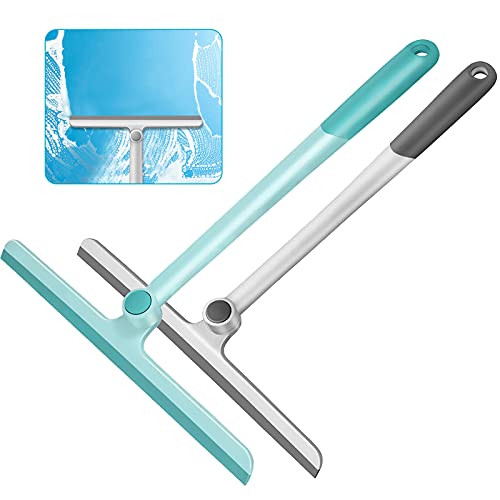
- window squeegee with handle for glass cleaning streak-free finish


Before You Start
Clear the table and remove items to avoid accidents during cleaning. Place the table away from direct sunlight to prevent quick drying that can cause streaks. Dust the surface first with a dry microfiber cloth to remove loose debris. Test cleaners in an inconspicuous area if the finish is delicate or the surface is old. Plan for a cure window of 10–15 minutes per cleaning cycle to ensure the surface is completely dry before use.
Step-By-Step: How To Clean Glass Table Tops Without Streaks
- Dust the surface with a dry microfiber cloth to remove loose particles and prevent scratching.
- Spray the streak-free glass cleaner ammonia-free onto the cloth or directly onto the glass, avoiding excess liquid.
- Wipe in a consistent, top-to-bottom pattern to distribute cleaner evenly.
- Switch to a dry side of the microfiber cloth as soon as moisture begins to appear; continue until the surface looks evenly damp, not wet.
- Use the window squeegee with handle for larger, flat areas, starting at one edge and pulling toward the center in smooth strokes.
- Wipe the blade with a dry portion of the microfiber after each pass to prevent streak transfer.
- Check for streaks under different lighting; if needed, go over stubborn spots with a fresh cloth and a light touch.
- Finish with a final edge wipe along the perimeter to remove any remaining moisture and to dry the edges thoroughly.
Troubleshooting
| Symptom | Likely Cause | Fix | Prevention |
|---|---|---|---|
| Streaks appear after drying | Cleaner or cloth left residue | Switch to a fresh microfiber cloth and use a dry section for final passes | Wipe with a dry cloth after damp cleaning |
| Cloudy or hazy surface | Excess cleaner or hard water minerals | Rinse with a light mist of distilled water and wipe dry | Use ammonia-free cleaner and distilled water when possible |
| Watermarks along edges | Moisture trapped at edges | Dry edges thoroughly with a corner of the cloth or squeegee | Avoid pooling by steady, controlled passes |
| Scratches become more noticeable | Rough cloth or abrasive handling | Switch to a softer microfiber and gentle pressure | Dust before wiping to minimize abrasion |
Common Mistakes
- Using towels or paper towels that shed fibers onto the glass
- Spraying cleaner directly on a hot or sunny surface, causing quick drying and streaks
- Over-wetting the cloth or surface, leading to pooling and marks
- Not drying the edges, leaving water marks around the perimeter
Tips For Best Results
- Choose a warm, shaded area for cleaning to prevent rapid drying that can leave streaks.
- Work in small sections to maintain control over moisture and airflow.
- Use a dedicated window squeegee for larger glass surfaces to speed up the process.
- For stubborn marks, apply a small amount of cleaner to the cloth rather than directly onto the glass.
- Regular maintenance—light daily dusting—helps prevent buildup that requires heavy cleaning.
Call A Professional
Consider a professional if the glass surface has deep scratches, etched marks, or significant damage that cleaning alone cannot restore. Also seek help if the table has delicate coatings or unusual finishes that might react to standard cleaners.
FAQ
What type of cloth is best for glass cleaning?
A lint-free microfiber cloth provides the best balance of absorbency and non-scratch cleaning.
Can I use ammonia-based cleaners on all glass tables?
ammonia-based cleaners can leave residues on some finishes; use ammonia-free formulas to be safe and test a small area first.
How do I prevent streaks when cleaning in sunlight?
Clean in a shaded area or during cooler parts of the day to slow drying and reduce streaks.
Is a squeegee necessary for small glass tables?
Not strictly necessary, but a window squeegee speeds up the process and can improve consistency on larger surfaces.
Buying Guide
When selecting tools for cleaning glass tabletops, consider size, ease of use, and the surface finish. A microfiber cloth of the right size provides flexible handling and streak-free results on different shapes. A streak-free glass cleaner that is ammonia-free minimizes residue and odor in living spaces. A window squeegee with handle helps achieve a flawless finish on larger surfaces and reduces the effort needed for drying. Look for a product set that covers both daily quick cleans and occasional deep cleans. For storage, choose compact tools that fit a cleaning caddy or under-sink space. Finally, check compatibility with coatings if the table has a decorative finish or protective sealant.
Leave a Reply