How to Clean Up Grease Spill on Floor
Grease spills on floors can be slippery and staining if not handled promptly. A clear, step-by-step approach helps ensure the area is safe and the floor is restored without damage. This guide uses common cleaning tools and a practical workflow suitable for home garages, shops, or light industrial spaces.
By following a methodical plan, you can reduce slip risk, remove oil-based residues, and prevent repeated incidents. The techniques balance effective degreasing with surface care, so floors stay clean and safe.
Quick Answer
Act quickly, containment first — stop the spill, seal off the area, and begin with absorbent materials. Use a citrus-based industrial degreaser to break down grease, then scrub with a heavy-duty floor brush. Rinse and repeat as needed, finishing with a clean dry area to prevent re-slippage.
What You’ll Need
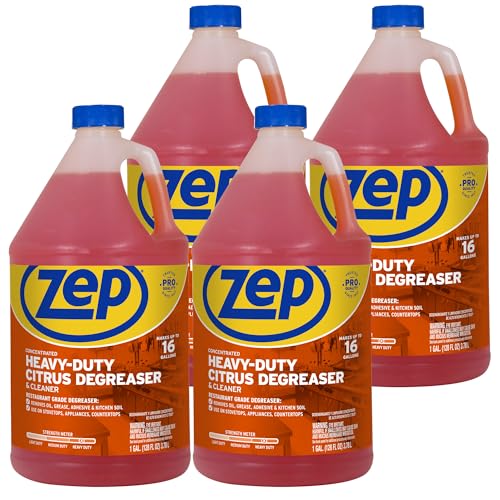
- Industrial degreaser floor cleaner gallon citrus base
- Grease spill absorbent pads socks granules kit
- Heavy-duty floor scrubbing brush long-handled stiff bristles


Before You Start
Prepare the area by removing loose objects and placing a temporary barrier to keep others from the spill zone. Wear protective gloves and eye protection. If the spill is large or involves endangered materials, consider professional cleanup. Time estimates: small spill 15–30 minutes; larger spill may require 1–2 hours, depending on absorbent effectiveness and drying time. Do not mix cleaners with other chemicals, and avoid using bleach on certain floor finishes which can cause damage or reactions.
Step-By-Step: How To Clean Up A Grease Spill On Floor
- Contain the spill by surrounding it with absorbent pads or granules to prevent spreading.
- Apply the citrus-based industrial degreaser generously over the stained area and the surrounding perimeter.
- Let the cleaner sit for 5–10 minutes to loosen the grease bonds with the floor surface.
- Scrub with the heavy-duty floor scrubbing brush using firm, even strokes to lift the grease.
- Rinse the area with clean water and inspect for any remaining residue.
- If needed, reapply degreaser to stubborn spots and repeat scrubbing until the floor looks uniform.
- Use fresh absorbent pads or granules to soak up the loosened grease and dirty water.
- Wring out or replace pads as they become saturated, then perform a final rinse.
- Dry the area thoroughly with clean rags or allow air drying; re-check for slipperiness.
- Dispose of used absorbents and cleaning residues per local waste guidelines.
- Review the surrounding area for future spill prevention, including spill mats or coatings if applicable.
Troubleshooting
| Symptom | Likely Cause | Fix | Prevention |
|---|---|---|---|
| Residual slick patch after cleaning | Grease trapped in pores | Repeat degreasing and scrubbing; consider a second pass with concentrated degreaser | Seal high-risk floors; use absorbent mats in spill-prone areas |
| Grease reappears after drying | Underlying contamination or porous surface | Deeper cleaning or sealant application; assess surface condition | Keep floors clean, wipe up spills promptly |
| No improvement after scrubbing | Incompatible floor finish with cleaner | Switch to a degreaser compatible with the floor type | Test cleaner on a small area first |
| Odor persists | Grease seeping into grout or porous material | Use odor-neutralizing product after cleaning | Improve ventilation during cleaning |
Common Mistakes
- Using water alone to clean heavy grease; it spreads the spill instead of lifting it.
- Soaking extensively without removing used absorbents promptly.
- Choosing a cleaner that is not compatible with the floor finish.
- Rushing drying without ensuring the surface is fully dry, increasing slip risk.
Taking time to select the right products and following a consistent process helps prevent these issues and leads to a safer, cleaner floor.
Tips For Best Results
- For stubborn grease, apply the degreaser in layers rather than flooding the area at once to avoid excessive runoff.
- Keep the brush at a slight angle to reach grooves and grout lines effectively.
- Use a dedicated mop or cloth for applying cleaner to avoid cross-contamination.
- Test any new cleaner on a small inconspicuous area first to ensure compatibility.
- Ventilate the area well when using chemical cleaners to minimize fumes.
Call A Professional
Consider calling a professional if the spill covers a large area (e.g., several square feet), involves hazardous substances, or if the surface remains overly slippery after multiple cleanings. Stop signs include persistent staining, foul odor, or ongoing safety concerns that instructions cannot fully mitigate.
FAQ
What should I do first when a grease spill happens?
Contain the spill with absorbents and block off the area, then apply a citrus-based degreaser and begin scrubbing.
Can I use water to clean up a grease spill?
Water helps rinse, but it should not be the sole cleaner for heavy grease; use a degreaser for effective lifting.
Is citrus-based degreaser safe for concrete?
Yes, many citrus-based degreasers are designed for concrete; always check the product label for surface compatibility.
How do I prevent future grease spills?
Implement spill mats, quickly wipe up any new spills, and keep absorbents ready in high-risk areas.
How long does it take to dry after cleaning?
Dry time depends on ventilation, temperature, and absorbent usage; expect 30 minutes to several hours in typical conditions.
What if the stain remains after cleaning?
Repeat the cleaning steps or consider a stronger degreaser intended for tougher stains.
Buying Guide
When selecting products to handle grease spills, consider factors such as the type of surface, spill size, and frequency of incidents. A multi-component kit offering an industrial degreaser with a citrus base, absorbent pads or granules, and a stiff-bristled brush often provides the best value for typical workshop or garage spills. Look for:
- Size and coverage — ensure the degreaser and absorbents cover expected spill volumes.
- Surface compatibility — choose cleaners labeled safe for concrete, epoxy, wood, or tile as appropriate.
- Absorbent variety — pads, socks, and granules help manage different spill scenarios.
- Ease of use — long-handled brushes reduce bending; quick-dispense degreasers speed up workflow.
- Drying time — faster drying minimizes downtime and slip risk.
- Odor control — consider products with neutralizing scents if fumes are a concern.
For ongoing maintenance, pair a reliable degreaser with durable brushes and ample absorbents, and store them in a ready-to-use spot. If space is limited, compact kits that combine all essential items can simplify management and ensure readiness for the next spill. Does your current setup cover both routine cleaning and emergency response?
Leave a Reply