How to Clean a Dog Food Container for a Fresh, Odor-Free Pantry
Keeping dog food fresh starts with a clean container. Bacteria, mold, and odors can develop if the bin isn’t cleaned regularly, especially with moist or kibble-heavy formulations. This practical guide walks American pet owners through a simple, effective cleaning routine using common tools and safe products. Whether you’re addressing a stubborn odor or routine maintenance, these steps help extend the life of pet food storage.
Quick Answer
Best quick approach: empty the container, rinse with warm water, scrub with a dedicated cleaning brush, wash with mild soap, rinse thoroughly, air dry, and reinstall new liners or odor remover spray if needed. A silicone-bristled brush is ideal for corners, while a long-handle bottle brush makes it easy to reach large containers without overstepping the rim.
What You’ll Need
The following tools and supplies cover most cleaning scenarios for dog food storage containers. Use them in combination to remove residue, neutralize odors, and prevent future buildup.
- Wide-mouth pet food storage bin cleaning brush silicone bristles — flexible bristles reach corners and seams without scratching plastic.
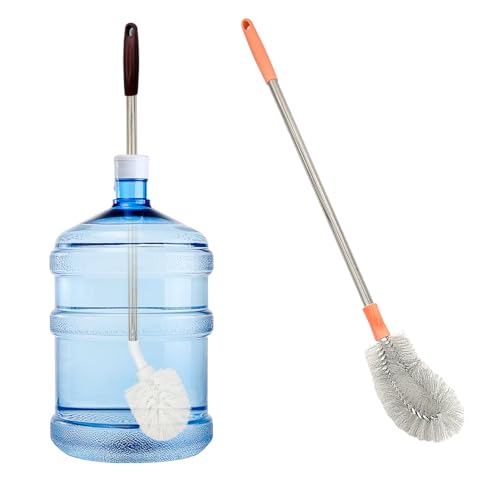
- Long-handle bottle brush for large dog food containers — helps scrub deep sides and the bottom of tall bins.
- Pet food storage odor remover spray and cleaning kit — a kitchen-safe deodorizer to tackle lingering smells.
- Warm water source (not boiling)
- Mild dish soap or unscented soap
- Soft cloth or microfiber towel
- Dry rack or clean towel for air drying

Before You Start
Plan for a thorough clean, especially if the container held moist food or if odors are noticeable. Safety first: unplug or remove any lids that might trap moisture. Surface prep: place the bin on a dry, stable surface away from pets during cleaning to prevent accidental slippage. Time estimate: 15–25 minutes for routine cleaning; 30–40 minutes for odor-intensive jobs.
Step-By-Step: How To Clean A Dog Food Container
- Empty and dry: pour out any remaining kibble, shake out loose crumbs, and wipe the interior with a dry cloth to remove surface dust.
- Rinse: rinse the container with warm water to loosen caked residue. If the container is airtight, loosen the seal to let steam escape during washing.
- Scrub with the right brush: use the wide-mouth cleaning brush with silicone bristles to scrub the interior walls, lid, and any ridges. For tall, large containers, switch to the long-handle bottle brush.
- Wash with soap: apply a small amount of mild, unscented soap and scrub thoroughly. Focus on corners and seams where kibble bits tend to accumulate.
- Rinse again: rinse until all soap suds disappear. Residual soap can affect food taste and safety, so this step is essential.
- Deodorize (optional): if odors persist, spray the odor remover spray and cleaning kit inside the container following the product’s instructions. Let it sit for a few minutes, then wipe and rinse if required.
- Dry completely: dry with a clean cloth or air-dry on a rack. Ensure the interior is fully dry before refilling to prevent mold.
- Reassemble and store: once dry, reassemble the lid and any seals. Consider adding a small open sachet of baking soda during storage for ongoing odor control, if compatible with your setup.
- Routine maintenance: establish a cleaning cadence—every 2–4 weeks for dry kibble, sooner if the container holds moist food or if odors develop.
- Inspect for damage: check for cracks, warping, or discoloration. Replace the container if structural damage compromises hygiene or pest resistance.
- Sanitize periodically: every few months, sanitize with a mild vinegar-water rinse (1:1) and follow with a thorough rinse and dry to kill bacteria without leaving harsh residues.
Troubleshooting
| Symptom | Likely Cause | Fix | Prevention |
|---|---|---|---|
| Persistent odor after cleaning | Residual odor compounds trapped in seams | Repeat cleaning using odor remover spray; consider a vinegar rinse then rinse thoroughly | Clean on schedule; ensure complete drying |
| Mold or musty smell | Moisture left inside | Dry interior completely; use a desiccant briefly if approved | Store in a cool, dry location; avoid moisture buildup |
| Cracks or warping | Sun exposure or heavy use | Replace container; avoid placing near heat or sunlight | Choose sturdier materials; store away from direct sun |
| Soap residue after rinse | Insufficient rinsing | Rinse thoroughly with warm water | Use minimal soap; run extra rinse cycle if needed |
Common Mistakes
- Using strong detergents or bleach that can leave residues and affect pet safety.
- Forgetting to dry the interior completely before refilling.
- Not cleaning lids and seals, where crumbs tend to collect.
- Overlooking corners or seams where kibble bits accumulate.
Tips For Best Results
- Use wide-mouth brushes for corners and long-handle brushes for tall containers to maximize cleaning efficiency.
- Schedule routine cleans on a calendar reminder to maintain freshness year round.
- Label containers with the last cleaned date to track maintenance.
- Pair a deodorizing spray with occasional vinegar sanitizing for odor control without harsh chemicals.
- Store the container in a dry, well-ventilated area away from pests and direct sunlight.
Call A Professional
If the container shows deep cracks, persistent discoloration, or the odor remains despite cleaning, seek professional guidance from a pet care consultant or consider replacing the bin. Do not use a damaged container for long-term storage as it may harbor bacteria or pests.
FAQ
Can I use bleach to clean a dog food container?
Bleach is not recommended for regular cleaning. It can leave residues that may affect pet health. Use mild soap and, if needed, a vinegar rinse followed by thorough rinsing.
How often should I clean a dry kibble container?
Clean every 2–4 weeks as a routine. Increase frequency if humidity is high or if odors are noticeable.
Is it okay to use the same brush for different containers?
Yes, but designate brushes for pet storage to avoid cross-contamination with other surfaces.
What if my bin is tall and narrow?
Use the long-handle bottle brush for large dog food containers to reach the bottom and sides effectively.
Buying Guide
Choosing the right cleaning tools and storage containers impacts maintenance ease and food safety. When evaluating options, consider size, material, and design features that simplify routine care.
- Size and capacity: Choose a container large enough to hold a standard bag of dog kibble with some headroom for easy scooping and cleaning. Consider vertical space if you have limited cabinet depth.
- Material and durability: BPA-free plastic is common and affordable, but look for shatter-resistant options for long-term use. Avoid porous materials that harbor odors.
- Sealing mechanism: Airtight lids help keep moisture out and odors in check, though they should be easy to remove for cleaning.
- Noise and odor control: Containers with integrated gaskets or odor-reducing features can minimize smell buildup between cleanings.
- Controls and labeling: Clear date markers or adjustable labeling help track when cleaning is due and when the food was opened.
- Placement: Store away from sunlight, heat sources, and pests. A pantry shelf or cabinet with good airflow works well.
- Cleaning compatibility: Ensure the bin is compatible with mild soaps, brushes, and odor remover products used in routine maintenance.
Leave a Reply