How to Get Rid of Spider Eggs Safely and Effectively
Spider eggs can be a concern for homeowners who want to prevent future infestations. This guide explains practical, safe steps to remove spider egg sacs and reduce the chance of reappearance. It covers safe cleaning methods, appropriate products, and when to seek professional help.
Quick Answer
Start by isolating and removing accessible egg sacs with a handheld HEPA vacuum, then treat remaining areas with a targeted insecticide spray for spider eggs. For delicate surfaces or stubborn clusters, use a portable steam cleaner to sanitize without chemicals. Regular cleaning and sealing entry points complete the prevention plan.
What You’ll Need
- Handheld HEPA vacuum spider egg sac removal
- Insecticide spray for spider eggs 24 oz
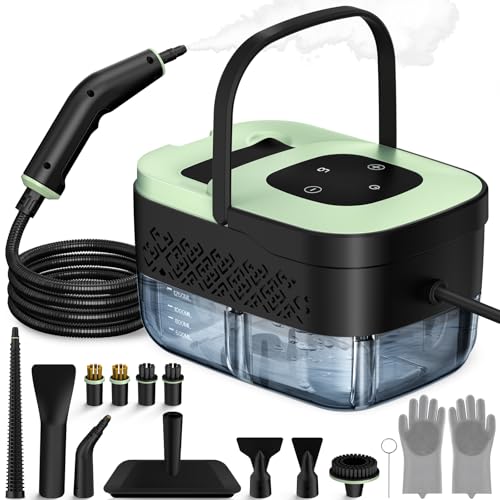
- Portable steam cleaner spider eggs cleaning


Before You Start
Prepare the area by removing clutter and dusting surfaces to expose all sacs. Patch small gaps around doors, windows, and baseboards to deter new egg-laying sites. Wear gloves and a mask when handling cleaning products, and ventilate the space well. Time estimate: 15–60 minutes per room, depending on infestation size.
Step-By-Step: How To Get Rid Of Spider Eggs
- Inspect the area to locate all visible egg sacs, focusing on corners, under furniture, and behind pictures.
- Use a handheld HEPA vacuum spider egg sac removal to carefully suction sacs from walls, corners, and crevices.
- Wipe hard surfaces with a damp cloth to remove any remaining residue after suctioning sacs.
- Apply the insecticide spray for spider eggs 24 oz to cracks, crevices, and areas where sacs were found, following label directions.
- For textiles or soft surfaces, use the portable steam cleaner spider eggs cleaning to sanitize without introducing additional chemicals.
- Let treated areas dry completely before reassembling or placing items back in position.
- Dispose of vacuum contents and cleaning materials in a sealed bag to prevent recontamination.
- Re-scan the area in 1–2 weeks to catch any new sacs and repeat the process if needed.
- Seal entry points and reduce outdoor attractants to minimize recurrence.
- Maintain a regular cleaning routine to deter future egg-laying sites.
- Monitor for any signs of a larger spider presence and consider a professional assessment if the problem persists.
- Document locations of any new sacs to track patterns and improve focus for the next treatment.
Troubleshooting
| Symptom | Likely Cause | Fix | Prevention |
|---|---|---|---|
| Sacs reappear after cleaning | New sacs laid after initial treatment | Re-treat hotspots with insecticide and steam cleaning | Seal entry points and reduce clutter |
| Chemical odor lingers | Insufficient ventilation | Open windows, run fans, and use lower-scent products | Choose low-odor formulations when possible |
| Surface damage after cleaning | Overuse of steam or harsh chemicals | Lower steam setting; test on an inconspicuous area | Alternate methods in sensitive areas |
| Egg sacs hard to locate | Hidden clusters in cracks or behind furniture | Move items to reveal hidden sacs; inspect stowed areas | Regular inspections during cleaning |
Common Mistakes
- Relying on a single method; combine suction, steam, and chemical treatments for best results
- Using excessive moisture on porous materials, which can spread spores or cause damage
- Ignoring attics, basements, and crawl spaces where sacs may hide
- Neglecting to seal entry points after cleaning
Tips For Best Results
- Coordinate cleaning across multiple days to avoid missing sacs in hard-to-reach spots
- Test any spray on a small, inconspicuous area before broader application
- Schedule regular upkeep to prevent buildup of eggs and spider activity
- Consider a dehumidifier in damp environments to reduce spider-friendly conditions
- Keep outdoor lighting minimal and use yellow bug lights to reduce insect activity near entry points
Call A Professional
Seek professional help if the area is large, the infestation persists after multiple cleanings, or if you notice dangerous spider species. Stop-and-go signs include frequent bites, rapid population growth, or egg sacs in hard-to-reach places like wall voids or high ceilings.
FAQ
Can I remove spider eggs without chemicals?
Yes. Vacuuming and steam cleaning can remove many egg sacs and sanitize surfaces without chemical exposure, though some situations may benefit from targeted insecticides.
How often should I inspect for eggs?
Inspect weekly in high-traffic areas during warm months, and monthly in cooler seasons to catch reoccurrences early.
Are all spider eggs dangerous?
Most eggs are not dangerous to humans, but some species’ egg sacs indicate a higher risk of bites or larger populations that require treatment.
Is steam cleaning safe for all surfaces?
Steam can be safe for many surfaces when used carefully, but test first and avoid heat-sensitive materials.
Buying Guide
Choosing the right tools and products for spider egg control depends on several factors. Consider the following to optimize results and safety:
Size and Placement
Assess room sizes and high-traffic zones. Larger spaces may benefit from combined methods and more frequent sessions, while smaller rooms can be managed with targeted treatments.
Noise Level
Steam cleaners and portable vacuums vary in noise. If noise is a concern in shared living spaces, look for quieter models with appropriate ratings and design features.
Energy Efficiency
Energy-efficient cleaners save power during extended cleaning sessions. Check energy ratings and look for devices with automatic shutoffs when not in use.
Controls
Simple push-button controls are easier for quick sessions, while more advanced models offer adjustable suction, steam temperature, and spray settings for precise treatment.
Chemical Sensitivity
Families with sensitivities may prefer non-chemical approaches initially. If chemicals are needed, opt for products labeled for indoor use and low odor.
Surface Compatibility
Ensure tools and cleaners suit the surfaces you plan to treat, such as walls, hardwood, fabric, or carpet. Test on inconspicuous areas first.
Maintenance and Replacement
Check for readily available replacement parts, filters, and cleaning cloths. Regular maintenance extends tool life and effectiveness.
Final Notes
Effectively getting rid of spider eggs involves a combination of direct removal, chemical treatment when necessary, and preventive measures to deter future clusters. By following the practical steps, using the right tools, and understanding when to call a professional, homeowners can reduce spider egg activity and maintain a cleaner, safer home environment.
Leave a Reply