How to Clean a Dusty Basement Efficiently
Basements can accumulate dust quickly, especially in spaces that see seasonal use or storage. A structured cleaning approach helps reduce allergens, improve air quality, and make the space safer for projects and storage. This guide provides practical steps using common tools designed for basement dust cleanup, along with safety tips and troubleshooting insight.
Whether you’re preparing a workshop, finishing a living area, or simply tidying up, the following steps emphasize effective dust removal without overwhelming the space or equipment. The aim is to create a cleaner, drier environment ready for long-term use.
Quick Answer
Start with a thorough dry sweep, seal large dust sources, and use a high-efficiency cleaning setup. Use a 5-gallon shop vac with HEPA filter for basement dust cleanup to collect ground-in dust, a portable HEPA air scrubber purifier to improve air quality, and a cordless backpack vacuum with HEPA filter for stubborn corners and tight spaces.
What You’ll Need
- 5-gallon shop vac with HEPA filter for basement dust cleanup
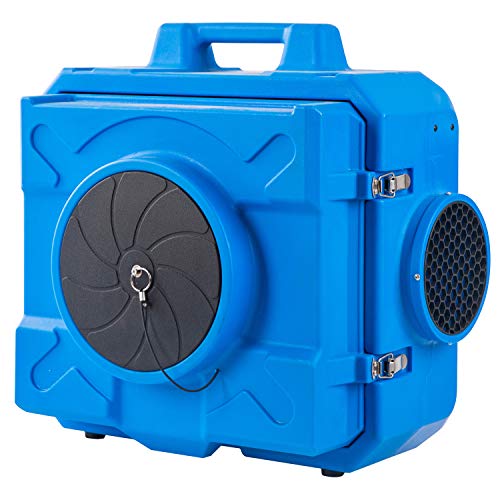
- Portable HEPA air scrubber purifier for basement dust removal
- Cordless backpack vacuum with HEPA filter for basements and workshop
- Microfiber dusting tools and extendable wand
- Plastic sheeting or drop cloths for containment
- Soft brushes and non-scratch scrubbing pads
- Dehumidifier (optional but helpful for moisture-prone basements)


Before You Start
Check the space for visible signs of moisture, mold, or structural issues. If you see mold growth, address it before dust cleaning to prevent health risks. Wear a mask rated for fine particles and safety glasses. Keep doors closed to contain dust, and remove fragile items from the floor. Plan the work in zones to avoid recontaminating cleaned areas. Time estimate: 2–4 hours for a typical basement, longer for larger spaces or thorough remediation.
Critical cautions: Do not run fans directly at dusty surfaces without filtration, as this can spread dust. Use an exhaust if the space is well sealed and ensure electrical outlets are dry before plugging in equipment.
Step-By-Step: How To Clean A Dusty Basement
- Prepare the area by removing loose items and creating a clear workflow path from the farthest corner toward the exit.
- Seal off doorways with plastic sheeting to contain settled dust during cleaning.
- Dry clean surfaces first using microfiber cloths and extendable dusters to lift dust from walls, shelves, and fixtures.
- Vacuum large debris with the cordless backpack vacuum with HEPA filter for basements and workshop to reach corners and tight spots.
- Use the 5-gallon shop vac with HEPA filter for basement dust cleanup to pick up settled dust from floors, corners, and joists; switch to HEPA filters as needed.
- Wet wipe stubborn dust on flat surfaces with a damp microfiber cloth to prevent redepositing particles.
- Run the portable HEPA air scrubber purifier for basement dust removal in a central position to circulate and filter air.
- Periodically replace or clean HEPA filters according to manufacturer instructions to maintain suction and filtration efficiency.
- Dust and mop floors after vacuuming to remove any remaining grit that could resuspend in air.
- Monitor humidity with a hygrometer; maintain moisture around 40–60% to minimize dust rebound from dry air.
- Repeat a quick pass with the vacuum and air purifier if dust levels remain noticeable after the first run.
- Store cleaning tools neatly and remove disposable waste promptly to prevent recontamination.
Troubleshooting
| Symptom | Likely Cause | Fix | Prevention |
|---|---|---|---|
| Dust resettling after cleaning | Inadequate filtration or airflow | Increase air purifier placement and run time | Keep doors sealed during cleaning |
| Poor suction on vacuum | Clogged filter or full debris canister | Empty canister and replace filter; check hoses | Clean filters regularly |
| Visible dust on surfaces after wipe | Dry wipe spreads dust | Use slightly damp microfiber cloths | Dust from higher shelves first, then lower areas |
| Allergen smell persists | Moments of air turnover | Run HEPA purifier longer and in a central room | Ventilate briefly after cleaning |
Common Mistakes
- Forgetting to seal the workspace, causing dust to escape to other areas
- Rushing through steps without vacuuming the floor between passes
- Using non-HEPA tools for final cleanup, which reduces efficiency
- Neglecting moisture control, leading to damp dust and mold risk
Tips For Best Results
- Work in sections from farthest corner toward the exit to prevent recontamination
- Operate the portable HEPA air scrubber purifier in continuous mode during cleanup
- Choose a lightweight cordless backpack vacuum for quick reach in tight areas and overhead storage
- Keep a damp microfiber cloth handy for quick touch-ups on vertical surfaces
- Schedule regular maintenance of filters to maintain peak performance
Call A Professional
Call a professional if moisture signs, damp odors, or mold are detected, or if the dust issue is extensive and repeated despite cleaning. Stop work and consult an occupant health expert if anyone in the space experiences persistent coughing, wheezing, or eye irritation. Seek professional remediation for structural or insulation concerns that contribute to ongoing dust generation.
FAQ
What kind of vacuum is best for a dusty basement?
A cordless backpack vacuum with HEPA filter is ideal for mobility and reach, complemented by a 5-gallon shop vac with HEPA for heavier debris.
How often should I run an air purifier in a basement?
Run continuously during active cleaning and consider several hours per day for ongoing dust control, depending on activity levels.
Can moisture help reduce basement dust?
Moderate moisture can help settle dust, but excessive moisture promotes mold. Use humidity control to balance air quality.
Is sealant necessary after cleaning?
Sealing surfaces isn’t always required, but sealing dusty shelves or attic access points can minimize future dust intrusion.
What maintenance should I perform after a cleaning?
Clean or replace HEPA filters, inspect for mold or moisture, and store tools in contained spaces to prevent re-dust.
Should I hire a professional for baseline dust control?
Yes, if the basement has significant dust, sensitivity concerns, or recurring dust issues, a pro can assess airflow, filtration, and containment strategies.
Is deodorization necessary after cleaning?
Not always, but if odors persist, a purifier with activated carbon can help neutralize odors without adding chemicals.
Buying Guide
When selecting equipment for basement dust cleanup, consider size, noise, energy efficiency, controls, and placement. A balanced kit can include a 5-gallon shop vac with HEPA filter for basement dust cleanup for debris pickup, a portable HEPA air scrubber purifier for basement dust removal to improve air quality, and a cordless backpack vacuum with HEPA filter for basements and workshop for mobility. Review room dimensions, typical dust levels, and whether moisture control or mold prevention is needed. Noise levels should fit the time you spend cleaning, especially in living areas or shared spaces. Energy-efficient models save power during longer sessions. Choose equipment with washable or replaceable filters, clear indicators for when to replace, and simple maintenance routines. Think about placement: keep the air scrubber centrally positioned without blocking exits, and place the backpack vacuum where you can reach corners and overhead storage easily. For larger or multi-room basements, consider modular setups that allow you to scale filtration and suction as needed. Finally, verify compatibility with any existing HVAC systems to avoid short-cycling or redundant filtration.
Leave a Reply