How to Clean Invisalign Aligner With Baking Soda and Safe Alternatives
Maintaining clean Invisalign aligners is essential for oral health and comfort. Baking soda is a common home remedy, but it should be used correctly to avoid irritation or damage. This guide explains practical steps, safe products, and smart alternatives that resonate with American users seeking effective aligner hygiene.
With the right routine, aligners stay clear, smell fresh, and fit properly. The methods discussed here focus on safe solutions, including baking soda as a gentle option and recommended cleaning products designed for aligners, dentures, and ultrasonic cleaning devices.
Quick Answer
Best practice for Invisalign cleaning combines daily rinsing with a gentle cleaning tablet or a dedicated cleaner, and, when appropriate, a low-abrasive baking soda solution. Avoid harsh soaps or hot water, which can distort the plastic. Use a soft-bristled brush to finish, and rinse well before reinserting.
What You’ll Need
The following tools and products help create a reliable cleaning routine. Use them as a baseline, then adapt to your personal preferences and care plan.
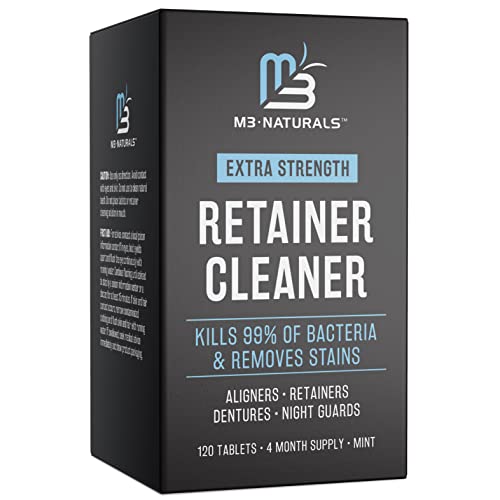
- Invisalign aligner cleaning kit tablets or other recommended cleaning tablets
- Denture cleaning tablets ultrasonic cleaner for deeper cleansing sessions
- Ultrasonic cleaner for aligners dentures or a dedicated denture/aligner ultrasonic unit
- Soft-bristled toothbrush (non-abrasive)
- Clean, lukewarm water for rinsing


Before You Start
Prepare a clean workspace and gather the items above. Plan for cleaning sessions twice daily or as advised by your orthodontist. Do not use boiling water or highly acidic cleaners, which can warp the aligners. If you wear retainers or other dental appliances, keep their cleaning routines separate to avoid cross-contamination. Time estimates: 5–15 minutes per cleaning cycle.
Step-By-Step: How To Clean Invisalign Aligners With Baking Soda And Safe Methods
- Rinse the aligners under lukewarm tap water to remove loose debris.
- Prepare a mild cleaning solution: a teaspoon of baking soda dissolved in a cup of lukewarm water can serve as a gentle option for a quick rinse, but never soak in hot water.
- Option A: Use Invisalign aligner cleaning kit tablets according to directions, then rinse thoroughly.
- Option B: If deeper cleaning is needed, place the aligners in an ultrasonic cleaner with denture cleaning tablets ultrasonic cleaner or an ultrasonic cleaner designed for aligners and dentures.
- Run a short cleaning cycle as recommended by the device manufacturer, avoiding aggressive settings that might stress the plastic.
- After cleaning, rinse the aligners under cool or lukewarm water to remove any loosened residue.
- Gently brush the surfaces with a soft toothbrush to remove any remaining film, using a light touch to avoid grooves.
- Pat dry with a clean, lint-free cloth and store in a ventilated case when not worn.
- Repeat this routine daily or as advised by your orthodontist to maintain clarity and hygiene.
- For travel, pack a small cleaning plan and use travel-friendly tablets if available, ensuring compatibility with your device.
- Periodic deep cleaning with an ultrasonic device can be scheduled weekly or biweekly, depending on lifestyle and build-up.
- Monitor for signs of wear or cloudiness; consult your orthodontist if you notice persistent residue or discomfort.
Troubleshooting
| Symptom | Likely Cause | Fix | Prevention |
|---|---|---|---|
| Cloudy or dull aligners | Residue buildup | Increase rinse time; use gentle brushing | Regular cleaning schedule |
| Rings or odor after cleaning | Inadequate rinsing or old solution | Rinse thoroughly; replace cleaning solution | Use fresh solution each session |
| Discoloration after baking soda soak | Overuse or high concentration | Rinse well; limit baking soda exposure | Alternate with tablet-based cleansers |
| Scratches on aligner surface | Brushing too hard or abrasive cleaners | Switch to soft brush; avoid abrasive products | Gentle handling |
Common Mistakes
- Using hot water or boiling liquids on aligners
- Over-soaking in strong cleaners that degrade material
- Neglecting to rinse completely after cleaning
- Using toothpaste, which can be abrasive
- Mixing cleaning methods and not following a consistent routine
Sticking to a consistent, gentle routine helps maintain aligner clarity and comfort. Baking soda can be useful as a mild option, but it should be used cautiously and not as a sole cleaning method for prolonged periods.
Tips For Best Results
- Schedule cleaning sessions at regular times to prevent buildup.
- Limit baking soda exposure to short, infrequent soaks and rely on tablets or ultrasonic cleansing for daily use.
- Keep a dedicated cleaning container or kit to prevent cross-contamination with dental items.
- Rinse thoroughly before reinserting to avoid residual taste or irritation.
- Store aligners dry and in an open case when not in use to minimize moisture-related odor.
Call A Professional
Seek professional help if aligners become visibly warped, cracked, or rescaled, or if cleaning causes persistent irritation or changes in fit. Stop using any cleaning method that seems to damage the plastic and consult an orthodontist for a replacement or adjustment plan.
FAQ
Can I use baking soda to clean Invisalign aligners?
Baking soda can be used for mild cleaning, but it should be used sparingly and never as the sole long-term cleansing method. Rinse thoroughly after use.
What temperature water should I use for cleaning?
Use lukewarm or cool water. Hot water can warp the aligners.
Are cleaning tablets necessary?
Cleaning tablets are convenient and effective; they are a recommended option alongside baking soda and ultrasonic cleaners.
How often should I do a deep cleaning?
Deep cleaning with an ultrasonic cleaner can be done weekly or biweekly, depending on lifestyle and buildup.
Is an ultrasonic cleaner safe for Invisalign?
Yes, when used according to manufacturer guidelines and with appropriate denture or aligner cleaning solutions.
What should I avoid during cleaning?
Avoid toothpaste, hot water, abrasive brushes, and harsh chemicals that can damage the aligner material.
Buying Guide
Choosing the right cleaning approach for Invisalign aligners involves balancing convenience, effectiveness, and safety. Consider the following factors to make an informed decision.
Size and portability
Ultrasonic cleaners range from compact travel units to larger countertop models. For everyday use, a compact device is usually sufficient, while travel-friendly options help maintain hygiene on the go.
Noise level
Quiet operation is desirable for home use, especially in shared living spaces. Look for devices with low decibel ratings and simple control panels.
Energy efficiency
Energy-efficient models save electricity during frequent cleaning sessions. Consider devices with automatic shutoff and energy-saving modes.
Controls and ease of use
Choose models with straightforward timers, clear instructions, and compatible cleaning solutions. Avoid devices with overly complex settings if you prefer a simple routine.
Compatibility and placement
Ensure the device is suitable for aligners and dentures. Some units are designed specifically for dental appliances, while others are multipurpose. Placement should be a stable, ventilated area away from heat sources.
Cost of consumables
Factor in the price and availability of cleaning tablets or denture cleaning solutions. Regular use should remain cost-effective without excessive ongoing expenses.
Brand and warranty
Choose reputable brands with clear warranty policies and customer support. Reading user reviews helps gauge reliability and service quality.
Environmental considerations
Look for recyclable packaging and safe, non-corrosive cleaning solutions to minimize environmental impact.
Practical recommendation
If you want a simple, reliable routine, pair a gentle baking soda rinse with regular tablet-based cleanings and occasional ultrasonic deep cleans. This combination covers daily hygiene and deeper cleansing without excessive equipment dependence.
Leave a Reply