How to Clean Olive Oil From Clothes
Olive oil stains are common yet stubborn, especially on light fabrics. This guide walks through practical, consumer-friendly steps to remove olive oil from clothes using readily available products and common laundry practices. By following a clear routine, you can often restore fabrics to their original condition without specialized cleaners.
The approach emphasizes using targeted stain treatments and proper washing techniques to minimize set-in stains. Readers will find actionable steps, safety notes, and tips for preventing future oil smudges on everyday garments.
Quick Answer
Treat olive oil stains as soon as possible. Blot excess oil, apply a targeted stain remover, and launder with warm water if fabric care allows. For stubborn spots, repeat treatment or use a stain remover pen designed for fabric oil stains. Air-dry and check the area before heat dries the garment to avoid setting the stain.
What You’ll Need
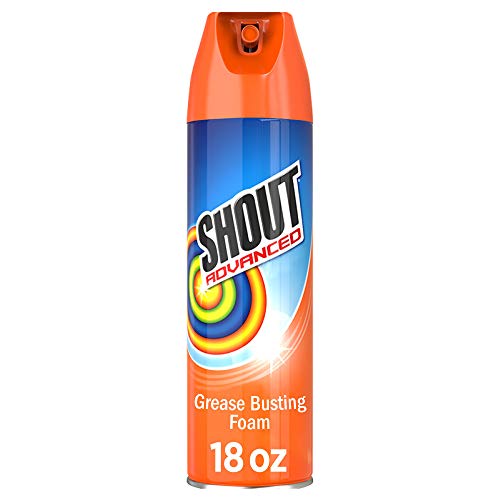
- Oil stain remover spray for clothes
- Stain remover pen for fabric oil stains
- Laundry pretreatment stain stick
- Clean towels or white cloth for blotting
- Cold or warm water as permitted by fabric care label
- Gentle laundry detergent


Before You Start
Before treating olive oil stains, check the garment care label for heat and solvent restrictions. Test any product on a hidden area to ensure colorfastness. Work on a well-ventilated surface to avoid lingering chemical odors. Time estimates vary by fabric and stain size, but plan for 15–45 minutes per stain during initial treatment and washing. Important: avoid using high heat on wet stains, as heat can set oil into fibers.
Lay the garment flat on a clean towel to catch drips, and gently blot—do not rub—the stain to remove excess oil. If the fabric is delicate (silk, wool, or rayon), adjust methods to milder treatments and consider professional cleaning for severe spots.
Step-By-Step: Clean Olive Oil From Clothes
- Gently lift and blot excess oil with a clean cloth or paper towel, absorbing as much as possible without rubbing.
- Rinse the back of the stain with cold or warm water (as permitted by the fabric label) to push oil away from the fibers.
- Apply a targeted oil stain remover spray for clothes directly to the stain. Let it sit for 5–10 minutes to penetrate oils.
- Gently rub the fabric along the stain with a soft brush or your fingers to work the remover in. Avoid aggressive scrubbing on delicate fabrics.
- Use a laundry pretreatment stain stick or a stain remover pen for fabric oil stains on remaining areas, following product directions.
- Wash the garment according to the care label in the warmest water allowed. Use a household detergent designed for pretreatment and stain removal.
- After washing, inspect the stain before drying. If any trace remains, repeat the treatment steps. Do not place the item in the dryer until the stain is fully removed.
- Air-dry the garment or tumble on a low heat setting only if the stain is fully gone. High heat can set any residual oil.
- For persistent spots after washing, apply a second treatment and rewash. Consider a professional cleaner for delicate or dry-clean-only fabrics.
- Document the outcome and consider tailoring your everyday routine to prevent future stains, such as using aprons or protective fabrics during cooking.
Troubleshooting
| Symptom | Likely Cause | Fix | Prevention |
|---|---|---|---|
| Stain remains after first wash | Oil was not fully removed before drying | Repeat treatment steps and rewash | Treat promptly; avoid heat until stain is gone |
| Stain darkens after washing | Heat exposure or improper solvent use | Rewash with cold water, reapply stain remover if needed, avoid heat | Follow care labels; test cleaners on hidden areas |
| Fabric shows color fading | Harsh solvent or overexposure to stain removers | Switch to milder products or reduce contact time | Always spot-test and use the gentlest effective method |
| Oil transfer to other clothes in wash | Stain wasn’t fully released before washing | Rinse and pre-treat other items separately | Keep stained item away from rest until treated |
Common Mistakes To Avoid
- Rubbing the stain vigorously, which can embed oil fibers deeper
- Using hot water on a fresh olive oil stain if fabric care suggests otherwise
- Skipping pretreatment when the stain is large or thick
- Drying the garment before confirming stain removal, which sets the stain
Stain removal is often about repetition and proper technique. Using the right combination of pretreatment products helps maximize success, especially on cotton blends and linens common in American wardrobes.
Tips For Best Results
- Address oil stains as soon as they occur for higher recovery chances.
- Pre-test any cleaner on an inconspicuous area to prevent color damage.
- Work the cleaner from the outside edge toward the center to avoid spreading the stain.
- For large stains, treat both sides of the fabric to improve absorption.
- Keep a small kit with stain removers handy for quick household use after cooking or dining out.
Call A Professional
Seek professional laundering if the garment is labeled as dry clean only or if the stain persists after multiple at-home treatments. Immediate professional care is advised for delicate fabrics (silk, cashmere) or items with bright dye that may bleed.
FAQ
Can olive oil stains be removed from all fabrics?
Most common fabrics respond well to pretreatment and washing, but delicate fibers may require gentler methods or professional cleaning.
Should I use heat to remove oil stains?
Heat can set oil into fibers, so it is best to avoid heat until you confirm the stain is fully removed.
What if the stain returns after washing?
Re-treat the stain and rewash. Ensure the stain is fully released before drying.
Are there DIY alternatives to commercial stain removers?
Some household items like dish detergent or baking soda can help with oil, but commercial stain removers designed for oils are typically more effective.
Buying Guide
When choosing products to tackle olive oil stains, consider factors like stain-removal power, fabric safety, and convenience. A balanced kit with an oil stain remover spray, a stain remover pen for fabric oil stains, and a laundry pretreatment stain stick covers most household needs. Look for products that list oils as supported stain types and that come with clear usage instructions. For households with frequent cooking exposures, having a quick-acting pen on hand can simplify spot treatment before washing.
Buying Guide: Key Factors To Consider
Size and coverage: Ensure the spray or stick is appropriate for typical stain sizes and cabinet storage space. A compact pen for small spots complements a larger spray for bigger stains.
Noise level and user experience: Noisy spray mechanisms can be annoying; choose products with smooth, controlled dispensing and minimal fizzing or splashing.
Energy and environmental impact: Look for water-based formulas and plant-based solvents when possible. Recyclable packaging is a bonus.
Controls and application: Simple, clear directions with visible timer hints (e.g., 5–10 minutes) help avoid over-soaking or under-treating.
Placement and storage: Store stain-removal tools in a cool, dry place away from children. Keep them within reach near laundry supplies for quick access during cooking or dining accidents.
In practice, pairing an oil stain remover spray for clothes with a stain remover pen for fabric oil stains provides a versatile approach that covers most at-home scenarios. For especially stubborn stains or delicate fabrics, a pretreatment stick can deliver targeted action without excessive scrubbing. Consider your typical laundry load, fabric types, and cooking habits when building your stain-removal kit to ensure reliable results.
Leave a Reply