How to Clean Water Bottle Mouthpiece
Keeping the mouthpiece of a water bottle clean is essential for healthy hydration and preventing odor or mold buildup. This guide provides practical, step-by-step steps and practical tips tailored to common sports bottles and reusable water containers. With the right tools and a routine, mouthpieces stay fresh and easy to use.
Quick Answer
Disassemble the mouthpiece if possible, rinse with warm water, scrub with a dedicated cleaning brush, rinse again, and air-dry thoroughly. For stubborn residue, use a vinegar or baking soda solution, then rinse until the scent is gone. Regular weekly cleaning is usually enough for daily use.
What You’ll Need
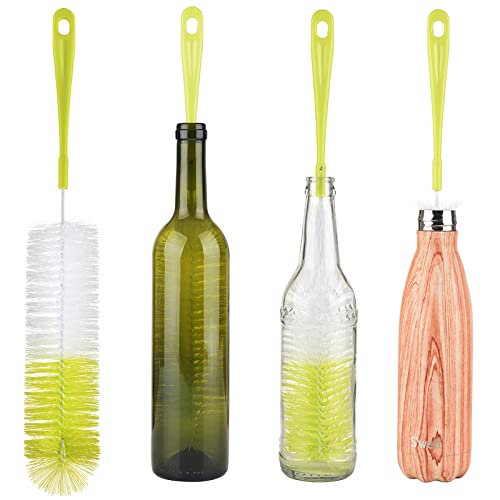
- Water bottle mouthpiece cleaning brush
- Straw cleaning brush set for sports bottles
- Narrow-neck bottle brush with soft bristles for sports bottles

Before You Start
Prepare a clean workspace and gather your brushes. Avoid using hot water on delicate plastics, which can warp some mouthpieces. If your bottle is dishwasher-safe, check the manufacturer guidance before placing the mouthpiece in the rack. Plan for 10–20 minutes of cleaning time per session for thorough care.
Step-By-Step: How To Clean Water Bottle Mouthpiece
- Disassemble the mouthpiece and remove any caps, seals, or straw plugs as applicable.
- Rinse all parts under warm running water to loosen loose debris.
- Apply a small amount of mild dish soap to the narrow-neck bottle brush or water bottle mouthpiece cleaning brush and scrub the interior surfaces gently.
- Use the straw cleaning brush set for sports bottles to reach inside the straw channels, if present, ensuring all sides are scrubbed.
- Rinse thoroughly with clean water, holding the parts under a steady stream to remove all soap suds.
- For stubborn buildup, soak the mouthpiece in a solution of warm water and white vinegar (1:1) for 5–10 minutes, then rinse well. Alternatively, a baking soda paste can help with mineral deposits; rinse completely afterward.
- Inspect all surfaces for lingering residue. If needed, repeat the brushing and rinsing cycle.
- Shake out excess water and place parts on a clean towel to air-dry completely before reassembling.
- Reassemble the mouthpiece and test for a proper seal and comfortable airflow before use.
- Schedule routine cleaning after intense workouts or daily use to maintain hygiene and taste.
- If your bottle has a removable gasket, clean it separately to prevent odor transfer.
- Store disassembled or loosely together in a dry, ventilated area to prevent mold growth.
Troubleshooting
| Symptom | Likely Cause | Fix | Prevention |
|---|---|---|---|
| Persistent odor after cleaning | Residue in hard-to-reach channels | Soak in vinegar solution; use straw brushes aggressively | Clean weekly; rinse after every use |
| Mold visible on mouthpiece | Moisture trapped in seams | Disassemble fully; dry thoroughly; consider replacing seals | Dry completely after washing; air-dry upside down |
| Cracked mouthpiece after washing | Hot water or rough brushing | Use lukewarm water; switch to softer brushes | Follow manufacturer care instructions |
| Unpleasant taste after cleaning | Soap residue | Rinse until no suds; run through extra water cycles | Use fragrance-free soap and thorough rinsing |
Common Mistakes
- Not removing all parts before cleaning, leaving hidden gaps uncleaned
- Using hot water on delicate plastics, causing warping
- Rushing the drying step, which can encourage mold growth
- Neglecting straw channels, leading to buildup
Tips For Best Results
- Establish a simple routine: clean mouthpiece after every use or at least weekly.
- Keep dedicated brushes for each bottle to avoid cross-contamination.
- Label parts to simplify reassembly after cleaning.
- Consider a mild natural cleaner for sensitive users (e.g., diluted vinegar), but always rinse thoroughly.
- Store disassembled in a dry area to prevent moisture accumulation.
Call A Professional
Consider contacting a professional if you notice persistent mold despite cleaning, persistent cracking of parts, or unusual tastes that do not improve after multiple cleanings. If the mouthpiece or straw shows signs of degradation, replacing components may be safer than continued cleaning.
FAQ
How often should I clean the mouthpiece?
Clean the mouthpiece at least once a week for daily use; rinse after each workout to reduce buildup.
Can I put the mouthpiece in the dishwasher?
Only if the manufacturer confirms dishwasher safety for the mouthpiece components.
What tools are best for cleaning a narrow-mouth bottle?
A narrow-neck bottle brush with soft bristles and a dedicated straw cleaning brush set work well.
Is vinegar safe for cleaning plastic mouthpieces?
Yes, diluted white vinegar is generally safe, but rinse thoroughly to remove all vinegary scent.
What if the mouthpiece won’t reassemble properly?
Check for any deformed seals or gaskets and ensure all parts are completely dry before reassembling.
Buying Guide
When selecting tools for cleaning water bottle mouthpieces, consider size compatibility with your bottle, bristle softness, and brush reach. A compact water bottle mouthpiece cleaning brush paired with a straw cleaning brush set for sports bottles covers most cleaning needs. A narrow-neck bottle brush with soft bristles for sports bottles helps access tight channels without damaging surfaces. Look for BPA-free materials and dishwasher-safe components if you prefer automated cleaning. Regular maintenance is easier with modular parts that are easy to disassemble and reassemble, and that dry quickly after washing.
Final Thoughts
Regularly cleaning water bottle mouthpieces helps maintain hydration quality and extends the life of your bottle. By choosing the right cleaning tools and following a simple routine, users can prevent odors, mold, and residue. If issues persist, don’t hesitate to seek professional guidance or consider replacing worn parts.
Leave a Reply