How to Deep Clean a Stove Top
Cleaning a stove top, especially a glass or ceramic surface, can restore a like-new shine and improve heat efficiency. This guide outlines a practical, step-by-step approach using common tools and a focused set of cleaning products designed for glass and ceramic cooktops.
Readers will find actionable steps, troubleshooting tips, and a buying guide to help choose the right products for ongoing maintenance. The methods are safe for most home kitchens and emphasize non-abrasive techniques to protect delicate surfaces.
Quick Answer
To deep clean a glass or ceramic stove top, remove loose debris, apply a non-abrasive cleaner, let it sit briefly, scrub with a non-scratch pad, and wipe with a damp cloth. For stubborn spots, use a dedicated stovetop scraper with a silicone blade and finish with a microfiber pad for a streak-free shine.
What You’ll Need
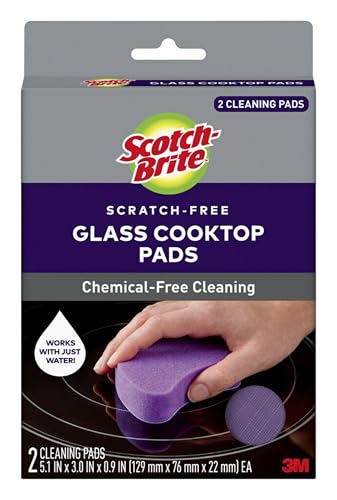
- Ceramic cooktop cleaning kit with non-abrasive pad and scraper
- Non-scratch microfiber scrub pads for glass stovetop
- Stovetop scraper with silicone blade for glass cooktop


Before You Start
Ensure the stove is completely cool before cleaning. Remove all cookware and loose debris from the surface. Work in a well-ventilated area and use gloves if your skin is sensitive to cleaners. Avoid abrasive powders or metal implements that can scratch the surface. Plan for a 15–30 minute cleaning session for routine maintenance, or longer for heavy buildup.
Step-By-Step: How To Deep Clean A Stove Top
- Remove the grates and burner caps, setting them aside for separate cleaning.
- Wipe loose crumbs and spills with a dry microfiber cloth to prevent spreading grime during cleaning.
- Apply a small amount of ceramic-friendly cleaner to a non-abrasive pad; spread evenly across the surface.
- Let the cleaner sit for 1–2 minutes to loosen baked-on residue, then scrub in circular motions.
- For stubborn spots, use the stovetop scraper with a silicone blade to lift fused residue without scratching.
- Wipe away loosened grime with a damp cloth, then buff with a dry microfiber pad for a streak-free finish.
- Clean the grates and burner caps separately with a compatible cleaner or warm soapy water; dry completely before reassembly.
- Reassemble the stove top and inspect for any remaining residue; repeat the process on any persistent areas if needed.
- Finish with a final wipe to ensure a glossy, even surface across the entire cooktop.
- Store cleaning tools in a designated cabinet to keep the work area organized and ready for next time.
- Note recurring stains to adjust future cleaning frequency or cleaner choice for better results.
- Consider a maintenance routine: quick wipe after each use and a deeper clean weekly for best longevity.
Troubleshooting
| Symptom | Likely Cause | Fix | Prevention |
|---|---|---|---|
| Cloudy or streaky surface after cleaning | Residue left from cleaner or water spots | Wipe with a damp cloth, then buff with a microfiber pad | Dry surfaces thoroughly; use minimal cleaner per session |
| S HUD or heat marks persisting | Baked-on residue or mineral deposits | Reapply cleaner and use a scraper gently | Clean regularly to prevent buildup |
| Scratches or dull spots | Use of abrasive tools | Switch to non-abrasive pads and silicone blades | Always follow manufacturer cleaning guidelines |
| Streaks around edges | Wipe with an overly wet cloth | Use a dry microfiber wipe after damp cleaning | Wipe small sections at a time |
Common Mistakes
- Using abrasive cleaners or pads on glass surfaces
- Scrubbing too hard, causing micro-scratches
- Letting spills dry completely before cleaning
- Neglecting to dry the surface after cleaning
Tips For Best Results
- Work in small sections to prevent cleaner from drying before you wipe.
- Keep a dedicated set of tools for stove-top cleaning to avoid cross-contamination with other surfaces.
- Choose products labeled for glass or ceramic cooktops to protect the surface finish.
- For frequent spills, perform quick wipe-downs after each cooking session to reduce buildup.
Call A Professional
Consider contacting a professional if the surface shows deep etching, persistent haze, or significant cracks. Warning signs include bubbling, cracking, or discoloration that does not respond to standard cleaning. A pro can assess the damage and advise on repair or replacement options.
FAQ
What is the best cleaner for a ceramic cooktop?
Look for cleaners formulated for glass ceramic surfaces that are non-abrasive and non-scratch. They effectively lift oils and mineral deposits without scratching.
Can I use a metal scraper on my glass stove top?
No. Metal scrapers can scratch glass surfaces. Use a silicone-blade scraper or a designated stovetop scraper with a non-metal edge.
How often should I deep clean a stove top?
For households with frequent cooking, a deep clean every 1–2 weeks helps prevent buildup; lighter weekly maintenance is also effective.
Are there eco-friendly options for cleaning a stove top?
Yes. Many ceramic-safe cleaners come in eco-friendly formulations. Combine with reusable microfiber pads to minimize waste.
Buying Guide
Choosing the right tools for a glass or ceramic stove top depends on several factors. Consider size and layout of the cooktop, the level of buildup, and preferred cleaning frequency. Noise level matters if the cleaning routine is done near living spaces; opt for quieter pads or manual scrubbing if needed. Energy efficiency is not typically affected by cleaners, but maintaining a clean surface helps even heat distribution and performance.
Key buying factors include:
- Size and compatibility: Ensure pads and scrapers fit your stove top’s dimensions and curves.
- Cleanser compatibility: Select cleaners labeled for ceramic or glass cooktops to avoid damage.
- Controls and ease of use: Simple non-scratch pads with ergonomic handles improve usability.
- Placement and storage: Keep tools in a dedicated location for quick access after cooking.
When comparing options, evaluate how each kit handles tough residue, whether it includes a silicone blade scraper, and the availability of replacement pads. For routine maintenance, a compact kit that fits under the sink or in a cabinet can be a practical choice. If your stove top has unique features or coatings, consult the manufacturer’s cleaning recommendations to prevent voiding warranties.
Leave a Reply