How to Clean Up Bird Seed on the Ground
Bird seed spilled on a patio, deck, or lawn can attract pests and create a slippery mess. This guide outlines practical, safe steps to clean up bird seed efficiently, minimize waste, and prevent future spills. Using simple tools and a steady routine helps keep outdoor spaces tidy without damaging surfaces.
With the right approach, cleanup becomes quick and predictable. From initial sweep to final touch-up, this article covers the best methods and tools to handle common seed spills in American backyards and outdoor areas.
Quick Answer
Start by sweeping or blowing loose seed into a pile, then pick up the bulk with a broom or a dustpan. For stubborn seeds and fine debris, a wet/dry vacuum works well. Finish with a light rinse if the surface allows and dispose of seeds in a compost bin or trash. For frequent spills, consider a dedicated outdoor broom and dustpan and a cordless leaf blower to speed up cleanup.
What You’ll Need
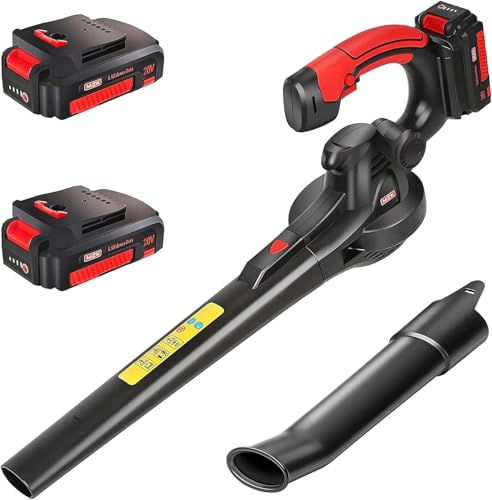
- Cordless leaf blower outdoor 20V for bird seed cleanup
- Wet dry vacuum shop vac 5 gallon for bird seed spill cleanup
- Outdoor broom and dustpan set heavy duty garden cleanup
- Protective gloves (optional)
- Trash bin or compost bin
- Water source for rinsing (if appropriate for surface)


Before You Start
Assess the surface where seed spills occurred. Wood decks, concrete patios, and gravel driveways each require different approaches to avoid damage. Clear pets and children from the area. Wear gloves if handling large quantities of seed. Budget 15–45 minutes for a typical cleanup, longer for larger spills or textured surfaces. Safety note: never sweep seed into storm drains or areas where it can clog drainage systems.
Step-By-Step: How To Clean Up Bird Seed On The Ground
- Identify the spill area and remove any large debris or shells by hand to prevent clogs.
- Use a broom to sweep the bulk of the seed toward a central pile, keeping strokes smooth and overlapping.
- Lift the seed into a dustpan or bag using the outdoor broom and dustpan set for easy disposal.
- For fine seeds or powder, use a cordless leaf blower on a low setting to gather particles without scattering them.
- Shift the pile into a waste bin or compost bin, then inspect the area for missed seeds.
- If the surface is absorbent (wood or soil), use a light spray of water to dampen remaining dust before final sweep, then let it dry.
- Use the wet dry vacuum shop vac 5 gallon for residual seeds and moisture, following the manufacturer’s instructions.
- Check for seed build-up near seams or joints; clean these areas with a brush attachment or small nozzle.
- Inspect nearby plants or lawn for stray seeds and remove to prevent germination in unwanted areas.
- Dispose of collected material. If composting, ensure seeds are appropriate for composting and do not introduce pests.
- Do a quick final pass with the broom to re-sweep the area and restore a tidy surface.
- Store cleanup tools properly and wipe down surfaces to remove any residue.
Troubleshooting
| Symptom | Likely Cause | Fix | Prevention |
|---|---|---|---|
| Seed resettles after sweeping | Surface grooves or wind | Go over with a blower on a gentle setting | Sweep in the direction of grain; avoid wide sweeps against wind |
| Dust and fine particles linger | Dry conditions | Mist surface lightly with water before sweeping | Sweep when surface is slightly damp |
| Seed sticks to the surface | Sticky residues or wet surface | Use a damp cloth after vacuuming | Clean spills promptly to prevent sticking |
| Vacuum loses suction | Full canister or clogged hose | Empty canister and clear hose | Regular maintenance after major spills |
Common Mistakes
- Using high-powered blowers indoors or near sensitive plants
- Waiting too long to clean, allowing seed to germinate or attract pests
- Sweeping seed into soil or grass where it can sprout
- Not inspecting areas around steps, corners, or planters where seed can accumulate
Tips For Best Results
- Use a combination approach: sweep the bulk, then finish with a vacuum for fine particles.
- Position yourself upwind when using a blower to control airborne debris.
- Choose the right tool for the surface: concrete and brick clean easily; wood may need gentler handling.
- Store tools dry to prevent rust and extend life.
- Establish a routine cleanup spot near the feeding area to speed future sessions.
Call A Professional
Seek professional help if spills occur in hard-to-reach areas (tight gaps, under decks) or if pests become a recurring issue despite cleanup. If you notice mold, structural damage, or persistent odors after several cleanups, contact a professional to assess potential underlying problems.
FAQ
What is the fastest way to clean up bird seed on a patio?
Use a cordless leaf blower on a low setting to gather the seed, then pick up with a dustpan and broom for disposal.
Can I compost bird seed?
Yes, if the seeds are not treated with pesticides. Remove shells and large debris before adding to compost.
Should I rinse the area after cleanup?
Rinse only if the surface tolerates water (concrete or stone). Ensure the area dries completely to avoid slippery residue.
How often should I clean up spilled seed?
Clean up spills as soon as possible, especially during warm months when pests are more active.
What if seeds keep spilling?
Evaluate feeding habits, container leakage, and area layout. Consider relocating the feeder or using a seed tray to reduce spills.
Buying Guide
When choosing tools to clean up bird seed efficiently, consider size, noise, energy use, and practicality for your space. A cordless leaf blower offers quick debris removal without cords, while a wet/dry vacuum handles moisture and fine particles. Pair these with a sturdy outdoor broom and dustpan set for precise pickup. Think about where you’ll store equipment and how often spills occur to determine a compact kit or a pro-grade setup. For most Americans, a balanced trio of a cordless blower, a 5-gallon shop vac, and a heavy-duty broom covers typical seeds spills on patios, decks, and driveways.
Leave a Reply