How to Clean a Polyester Bag for Spot-Free Care
Polyester bags are popular for their durability and easy-care fabric. With the right approach, most everyday stains and grime can be cleaned without damaging the material. This guide outlines practical steps, safe products, and best practices to keep a polyester bag looking fresh and new.
Readers will find a straightforward, step-by-step method, quick fixes for common issues, and tips to prevent future staining. The goal is to provide a clear, action-oriented plan that works for most polyester bag fabrics and common use cases.
Quick Answer
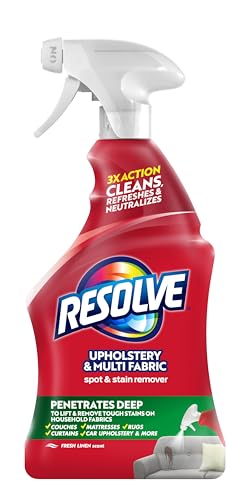
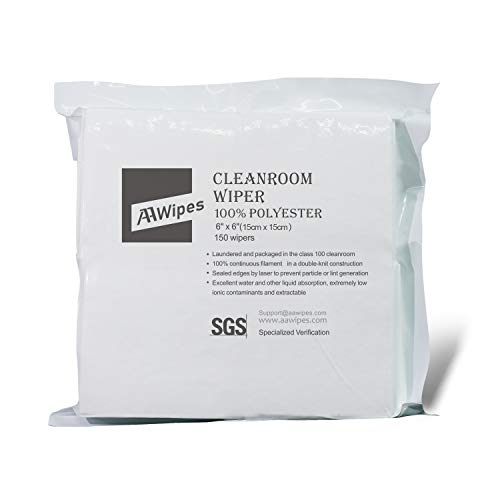
Spot clean with a polyester-safe fabric stain remover spray, gently scrub with a soft bristle brush, and finish with a microfiber cleaning cloth. For stubborn spots, repeat the process and allow the bag to air-dry away from direct heat.
What You’ll Need
- polyester bag fabric stain remover spray
- microfiber cleaning cloth for polyester bags
- soft bristle fabric cleaning brush for polyester bags

Before You Start
Test any cleaner on a hidden area first to confirm colorfastness. Work in a well-ventilated area and protect zippers and hardware from contact with liquids. Time estimates vary: small spots take 5–10 minutes; a full wipe-down may require 20–30 minutes plus drying time. Important cautions: avoid soaking the bag, keep cleaners away from leather accents, and never machine wash delicate sections unless the care label permits.
Step-By-Step: How To Clean A Polyester Bag
- Empty the bag and shake out loose debris to prevent rubbing dirt into the fabric.
- Lightly dampen a microfiber cleaning cloth with warm water to remove surface dust.
- Apply a polyester bag fabric stain remover spray to a small, inconspicuous area to test colorfastness, then treat the stain following the product directions.
- Gently scrub the stained area with a soft bristle fabric cleaning brush, using circular motions and light pressure.
- Wipe away loosened grime with a clean microfiber cloth, repeating as needed until the area looks cleaner.
- For persistent stains, apply a second light coating of stain remover and repeat brushing and blotting until resolved.
- Rinse the treated area with a cloth lightly moistened with clean water to remove residue.
- Blot with a dry microfiber cloth and allow the bag to air-dry away from direct sunlight or heat sources.
- Inspect the bag in daylight and repeat steps 3–7 if any stains remain.
- Perform a quick overall wipe-down to refresh the fabric after drying, if desired.
- Reattach any hardware and store the bag in a cool, dry place to prevent mildew.
Troubleshooting
| Symptom | Likely Cause | Fix | Prevention |
|---|---|---|---|
| Stains reappear after cleaning | Underdried fabric or hidden stain threads | Repeat cleaning steps and ensure complete drying | Address stains promptly; avoid prolonged moisture |
| Fabric fades or color transfer | Aggressive scrub or incompatible cleaner | Switch to milder cleaner and gentler brush | Test cleaners first; use soft tools only |
| Water spots or streaks | Uneven drying | Wipe evenly and air-dry flat | Dry in a shaded, ventilated area |
| Plastic or hardware staining | Cleaner contact | Wipe hardware separately with a damp cloth | Avoid spraying directly on metal parts |
Common Mistakes
- Using hot water or harsh solvents that can warp fibers or fade color
- Soaking the bag, which can loosen seams or cause watermarks
- Scrubbing aggressively, which may abrade the fabric
- Not drying the bag completely, leading to mildew or odors
Tips For Best Results
- Work on stains promptly to prevent set-in marks.
- Always test cleaners on a hidden area first, especially with bold colors.
- Use a microfiber cloth for gentle blotting and finishing to avoid lint.
- When in doubt about washing, consult the bag’s care label or manufacturer guidelines.
- Store kept-away not in direct sun to preserve fabric color and integrity.
Call A Professional
Consider professional cleaning if the bag has delicate trims, leather elements, or if stains are oil-based and extensive. Stop cleaning and seek expert help if you notice shrinking, fabric fraying, or dye bleeding after initial attempts.
FAQ
Can I use dish soap to clean a polyester bag?
Yes, a mild dish soap diluted in water can be used for gentle cleaning on larger areas, followed by thorough rinsing with a damp cloth.
Is it safe to machine wash a polyester bag?
Only if the care label explicitly permits machine washing; otherwise, hand cleaning is recommended to protect fabric and hardware.
How do I remove ink from a polyester bag?
Test a fabric stain remover on a hidden area and, if safe, apply lightly and blot. Avoid rubbing ink deeper into fibers.
How long should I let the bag dry?
Air-dry completely in a shaded area, typically 2–6 hours depending on climate and bag thickness.
Buying Guide
Choosing the right cleaning approach for a polyester bag involves several factors. Size affects cleaning reach; larger bags may require more time and effort. Noise level isn’t a concern here, but the energy efficiency of any cleaning appliances used should be considered if you opt for powered tools. For many shoppers, a simple kit containing a polyester-specific stain remover spray, a microfiber cloth, and a soft bristle brush provides a practical balance of performance and cost.
Key buying factors include:
- Size: Consider the bag’s dimensions and how easily you can maneuver it during cleaning.
- Stain remover compatibility: Ensure the spray is labeled safe for polyester fabrics and colorfastness.
- Tool quality: A soft-bristle brush and a top-quality microfiber cloth reduce fiber shedding and scrubbing damage.
- Controls and usage: Simple, spray-and-wipe solutions tend to be user-friendly for quick maintenance.
- Placement: Clean in a well-lit, ventilated area with a tidy workspace to keep fabric and hardware intact.
Would you like help finding a specific combination of products for your bag type and color? A quick comparison can reveal which set best suits your cleaning routine and budget.
Leave a Reply