How to Clean Dyson Ball Animal 2 Vacuum
The Dyson Ball Animal 2 is a popular upright vacuum designed for homes with pets. Regular maintenance helps maintain strong suction, extend the life of filters, and prevent clogging. This guide walks through a safe, effective cleaning routine tailored for the Ball Animal 2 family of vacuum cleaners.
By following practical steps and using the right attachments, users can keep their unit performing at its best. The process covers brush bar care, filter upkeep, and hose/accessory maintenance to minimize downtime and maximize daily cleaning results.
Quick Answer
To refresh a Dyson Ball Animal 2, start with cleaning the brush bar and removing hair, wash or replace filters as needed, and inspect the hose and attachments for blockages. Avoid wetting the motor, and use the correct attachments for pet hair and hard-to-reach areas.
What You’ll Need
- Dyson Ball Animal 2 brush bar cleaning tool attachment
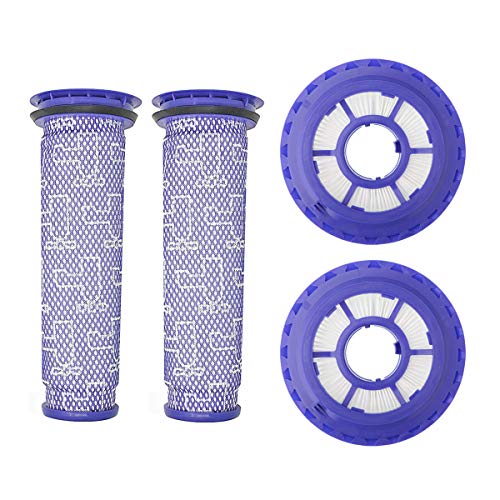
- Dyson Ball Animal 2 filter replacement set
- Dyson vacuum hose crevice tool attachment for Ball Animal 2

Before You Start
Read the user manual for any model-specific cautions. Unplug the vacuum before beginning maintenance. Prepare a clean, well-lit workspace and a place to set small parts. Safety notes: keep hair, loose clothing, and jewelry away from moving parts. Time estimate: 20–40 minutes for a full maintenance cycle, depending on clogging and filter status. Important cautions include not washing the motor or placing water on electrical components and ensuring all attachments are dry before reuse.
Step-By-Step: How To Clean Dyson Ball Animal 2
- Unplug the vacuum and tip the canister to access the brush bar housing. Remove the brush bar by pressing the retention tabs and lifting it out.
- Use the brush bar cleaning tool to remove hair, threads, and fibers wrapped around the bar. If tangled material remains, cut carefully with scissors and unwind.
- Inspect the brush bar bearings and belt. If the belt shows wear, consider replacing it with the recommended replacement parts to restore suction and drive.
- Wipe the brush bar housing with a dry microfiber cloth to remove dust and debris. Avoid using liquids near the motor area.
- Reinstall the brush bar securely, ensuring it rotates freely and the end caps snap into place properly.
- Remove and inspect the dust bin. Empty it into a trash receptacle, then rinse the bin if it is dirty. Allow the bin to dry completely before reassembly.
- Remove and replace filters if they appear clogged or are past their service interval. Follow the instructions on the Dyson Ball Animal 2 filter replacement set packaging to install correctly.
- Wash the filter components under cool water only, avoiding any detergent. Squeeze gently to remove excess water and air-dry for at least 24 hours in a well-ventilated area before reinstallation.
- Inspect the hose and crevice tool for blockages. Detach the hose and use the crevice tool attachment to clear obstructions from the wand and passages.
- Reattach all components securely, ensuring there are no loose parts. Plug the vacuum back in and perform a quick test on a carpet and a hard floor surface.
- For pet hair buildup in corners or on upholstery, use the appropriate attachment from the Dyson Ball Animal 2 toolkit to reach tight spaces without damaging fabrics.
Troubleshooting
| Symptom | Likely Cause | Fix | Prevention |
|---|---|---|---|
| Loss of suction | Clogged filter or full dust bin | Empty bin, wash/replace filters | Regular maintenance schedule |
| Brush bar not spinning | Hair tangled in bar or belt worn | Remove debris, replace belt if necessary | Clean weekly in high-shed seasons |
| Weak suction on stairs or upholstery | Hose or attachments blocked | Clear hose and crevice tools | Inspect after heavy cleaning |
| Strange odor | Dirty filters or bin | Clean or replace filters, empty bin | Regular cleaning and air-drying of parts |
Common Mistakes
- Washing filters in hot water or using detergents
- Wetting electrical components or the motor area
- Ignoring the brush bar and belt maintenance
- Leaving the dust bin partially full before cleaning
Keeping the routine simple and consistent helps prevent many common issues and keeps the Ball Animal 2 performing optimally.
Tips For Best Results
- Clean the brush bar and filter every 1–3 months, depending on use and pet fur levels.
- Always dry filters completely before reinstalling to avoid mold or odor.
- Use the crevice tool for tight corners and baseboards to maximize dirt removal.
- Store the vacuum in a dry, temperate area to protect seals and rubber components.
Call A Professional
If the vacuum emits unusual noises after maintenance, experiences persistent loss of suction despite cleaning, or cannot be powered on, stop using it and contact a professional service. Seek expert help for internal motor or wiring concerns, or abnormal battery or power issues that require certified repair.
FAQ
How often should I replace the Dyson Ball Animal 2 filters?
Replace filters according to the manufacturer’s guidance or when they appear clogged and performance declines.
Can I wash the Dyson Ball Animal 2 filters?
Yes, rinse with cool water and let them air dry completely before reusing.
What attachments are essential for pet hair?
The brush bar and crevice tool attachments are particularly effective for pet hair and tight spaces.
Is it safe to use water on the brush bar area?
Avoid water near the motor and electrical components; only the filters and bin are washable as directed.
Buying Guide
When choosing maintenance supplies for the Dyson Ball Animal 2, consider size, noise level, energy efficiency, controls, and placement in your home. For filters, select a replacement set compatible with Ball Animal 2 models to ensure proper fit and filtration efficiency. If space is limited, opt for compact storage solutions for attachments and hoses. For homes with multiple levels, ensure you have a long hose or reach tool to minimize frequent reconfigurations. Look for kit bundles that include a brush bar cleaning tool attachment and a dedicated crevice tool for pet hair and dust in tight corners. A well-chosen set of tools can shorten maintenance time and improve overall vacuum performance.
Leave a Reply