How to Get Rid of White Powdery Mildew on Plants
White powdery mildew is a common plant ailment that can diminish vigor and beauty. With the right approach, you can manage and reduce this fungal issue without harming beneficial insects or your garden’s ecosystem. The following guide walks through practical steps, suitable tools, and smart prevention to keep your plants healthy.
This article presents a clear, actionable method using accessible tools and products. It emphasizes safe handling, effective application, and ongoing maintenance to stay ahead of mildew outbreaks in home gardens and landscapes.
Quick Answer
Apply a preventative or curative fungicide early, target affected leaves, and improve air circulation around susceptible plants. Begin with a gentle approach and escalate if symptoms persist. Regular monitoring and proper sanitation are key to lasting control.
What You’ll Need
- 1 gallon garden sprayer for fungicide application
- adjustable nozzle spray bottle for powdery mildew treatment plants
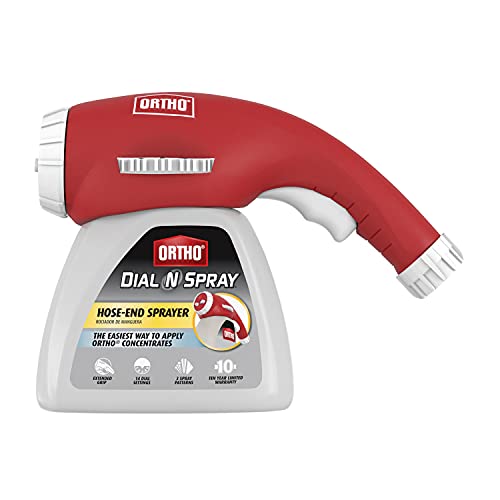
- hose-end sprayer for fungicide and plant protectant


Before You Start
Assess your plants and the environment. Powdery mildew thrives in warm, dry days with high humidity and poor air movement. Choose a treatment plan compatible with your plant types and local garden regulations. Wear protective clothing, gloves, and eye protection when handling fungicides and cleaners. Time estimates vary by size of the garden, but plan for 1–2 hours for initial treatment and setup, plus ongoing weekly checks during warm, humid spells.
Step-By-Step: How To Get Rid Of White Powdery Mildew
- Identify affected species and confirm mildew presence by gently brushing a leaf to reveal signs on the surface.
- Isolate severely affected plants if possible to prevent spread to nearby specimens.
- Prepare your treatment solution following product labels and dilution guidelines. Avoid mixing incompatible chemicals.
- Fill the 1 gallon garden sprayer with the fungicide solution, ensuring the sprayer is clean and free of residue from previous sprays.
- Test spray on a small area of a healthy leaf to check for phytotoxicity, then proceed to broader coverage.
- Apply the solution to the upper and lower leaf surfaces, ensuring thorough coverage without run-off. Focus on the undersides of leaves where mildew often hides.
- Reapply according to product instructions and environmental conditions, typically every 7–14 days during active growth or after rainfall.
Troubleshooting
| Symptom | Likely Cause | Fix | Prevention |
|---|---|---|---|
| White powder persists after spraying | Under-diluted solution or insufficient coverage | Re-apply with full coverage, adjust nozzle | Follow label directions and spray during calm, dry conditions |
| Leaves yellow or show scorch | Over-fertilization or harsh chemical | Switch to mild product, rinse leaves if needed | Use recommended rates and avoid leaf burn by early morning or evening |
| Fungus returns after a week | Moisture and airflow issues | Improve spacing, prune for air circulation | Enhance airflow and reduce overhead irrigation |
| Non-target plants affected | Drift or over-spray | Direct spray to target leaves, use shielding as needed | Use tighter nozzle and buffer zones |
Common Mistakes
- Overlooking the undersides of leaves where mildew concentrates
- Spraying during windy or rainy conditions, causing drift or wash-off
- Using incompatible products or applying too frequently
- Neglecting sanitation: dead leaves and plant debris can harbor mildew
Tips For Best Results
- Apply early in the disease cycle for best control. Prevention is more effective than cure.
- Rotate fungicides to reduce resistance development; avoid repeated use of the same product.
- Water plants at ground level to keep foliage dry when possible; morning irrigation helps foliage dry before night.
- Improve air circulation by spacing, pruning, and removing dense canopies.
- Keep garden tools clean to prevent transferring mildew between plants.
Call A Professional
Consider contacting a professional if mildew covers a large area, recurs despite treatment, or involves fruit trees or ornamentals with high value. Signs to seek help include rapid spread, signs of leaf curl or distortion beyond typical mildew symptoms, or persistent issues after multiple treatment cycles.
FAQ
What is white powdery mildew?
Powdery mildew is a fungal disease that forms a white, powdery coating on leaves, stems, and buds, reducing photosynthesis and plant vigor.
Can I prevent powdery mildew without chemicals?
Yes, by improving air circulation, choosing resistant plant varieties, reducing humidity around plants, and practicing good spacing and pruning.
How often should I spray for mildew?
Generally every 7–14 days during active growth or after rain, following product directions and local conditions.
Is it safe to use household products against powdery mildew?
Some household remedies may help at light levels, but always verify compatibility with your plants and consult product labels for safety and effectiveness.
Buying Guide
When selecting tools and products to combat white powdery mildew, consider these factors to maximize effectiveness and ease of use:
- Size and coverage: Choose a sprayer size that fits your garden area. A 1 gallon garden sprayer is convenient for small to medium plots and allows precise mixing.
- Spray patterns: An adjustable nozzle helps tailor flow for delicate foliage or dense canopies. Look for a nozzle that can switch between a fine mist and a direct spray.
- Material compatibility: Ensure the sprayer materials resist corrosion from fungicides and cleaning agents. Stainless steel or high-quality plastics are common.
- Ease of use: Ergonomic handles, balanced weight, and clear measurement marks reduce user fatigue and improve accuracy.
- Safety and storage: Consider models with secure caps, leak-proof designs, and convenient storage for gloves and spare parts.
- Placement and reach: Hose-end sprayers extend reach for larger plants or tree canopies, while hand-pump sprayers excel for precise spot treatments.
- Energy efficiency and emissions: Manual sprayers consume no energy; battery-powered options reduce effort but require charging and maintenance.
- Compatibility with products: Check if the sprayer is compatible with the fungicides or plant protectants you plan to use, and follow label instructions.
Choosing the right combination of tools, such as a 1 gallon garden sprayer for fungicide application, an adjustable nozzle spray bottle for powdery mildew treatment plants, and a hose-end sprayer for fungicide and plant protectant, helps tailor your approach to the garden size and plant types. By aligning your gear with the specific mildew risk and your maintenance routine, you’ll simplify ongoing control and protect your green spaces.
Leave a Reply