How to Clean Dish Gloves: Quick and Easy Methods for Fresh Gloves
Dish gloves protect hands from hot water, soap, and caustic cleaners, but they can accumulate grime, odors, and stains over time. Proper cleaning extends their life and keeps them hygienic for repeated use. This guide outlines practical steps, tools, and tips to clean various types of dish gloves effectively in a typical American kitchen.
Quick Answer
For everyday cleaning: rinse after use, wash with warm soapy water, and air-dry completely inside-out. For stubborn stains or odors: spot-clean with a dedicated cleaning brush and use a mild sanitizer.
What You’ll Need
- Dishwashing gloves (the ones you plan to clean)
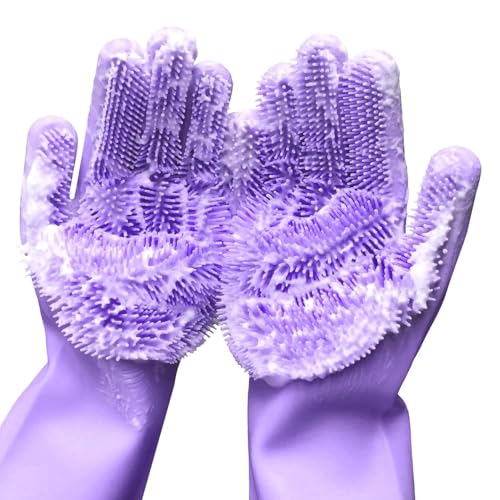
- Silicone scrub brush for washing dish gloves
- Dishwashing glove cleaning brush
- Stain-removing brush for cleaning kitchen gloves
- Warm water and mild dish soap
- White vinegar or baking soda (optional for odor removal)
- Dry towel or rack for air-drying


Before You Start
Inspect gloves for cracks or holes before cleaning; damaged gloves should be replaced to avoid leaks and contamination. Always rinse gloves with clean water after cleaning to remove soap residue. Cleaning time should be kept reasonable to prevent prolonged chemical exposure to the material. Allow gloves to dry completely inside out in a well-ventilated area before reuse.
Step-By-Step: How To Clean Dish Gloves
- Rinse the gloves under warm running water to remove loose debris and soap crust.
- Fill a sink or basin with warm water and add a few drops of mild dish soap.
- Submerge the gloves and gently agitate to loosen grease or grime. Use silicone scrub brush for washing dish gloves for stubborn spots.
- Turn the gloves inside out and scrub the interior, paying attention to fingertips and seams where grime collects.
- Rinse thoroughly with clean water, ensuring all soap residues are removed.
- For odors or stains, sprinkle a little baking soda on a damp sponge or brush, or wipe with a diluted white vinegar solution, then rinse again.
- Use a dishwashing glove cleaning brush to target any persistent marks or residues along the cuff and palm.
- Shake out excess water and place the gloves on a towel to blot dry, then air-dry completely inside-out on a rack.
- Once fully dry, turn them right side out to check for remaining moisture and odors. Repeat cleaning if necessary.
- Store in a dry, well-ventilated area away from direct heat to prevent mold growth.
- Repeat cleaning routine after heavy use or if gloves are used with strong cleaners.
Troubleshooting
| Symptom | Likely Cause | Fix | Prevention |
|---|---|---|---|
| Bad odor persists after cleaning | Residual moisture or trapped odors | Soak briefly in a solution of water and vinegar; re-rinse | Always dry completely; avoid storing wet |
| Stains remain on cuff | Grease or dye from foods | Apply stain-removing brush for a targeted clean with mild soap | Pre-clean high-grease tasks; rinse promptly |
| Gloves feel stiff after drying | Soap residue or hard water minerals | Rinse thoroughly; consider a final rinse with filtered water | Use mild soap and warm water; avoid hot water |
| Gloves tearing at seams | Old or stretched material | Replace gloves; avoid pulling on cuffs | Inspect regularly and replace as needed |
Common Mistakes
- Using very hot water that can degrade certain glove materials
- Leaving gloves folded or stored while still damp
- Using aggressive cleaners that cause cracking or stiffness
- Neglecting interior cleaning, which can harbor bacteria
Tips For Best Results
- Clean gloves soon after use to prevent staining from sauces or oils.
- Rotate gloves if you have multiple pairs to distribute wear evenly.
- Use a dedicated brush for gloves to prevent cross-contamination from other kitchen tools.
- Label storage by maintenance frequency to track when each pair was last cleaned.
- If odor persists, consider a short soak in a baking soda solution (1 tablespoon baking soda per cup of water).
Call A Professional
Seek professional help if gloves show persistent cracking, tearing at seams, or an unusual odor that persists after multiple cleanings. If there is any sign of mold growth, replace the gloves and adjust storage practices to reduce humidity. When in doubt about material compatibility with cleaners, contact the manufacturer for guidance.
FAQ
Can I use bleach to clean dish gloves?
Bleach is generally not recommended for most dish gloves as it can degrade materials; use mild soap and vinegar for odors and stains instead.
How often should I clean dish gloves?
Clean gloves after heavy use or at least once a week if worn daily, and more often if they are used with greasy or strong-smelling foods.
Are silicone scrub brushes safe for all glove materials?
Silicone brushes are usually safe for most silicone and rubber gloves; check the glove care label if available.
What’s the best way to dry gloves?
Air-dry inside-out on a rack or towel in a well-ventilated area to prevent mildew.
Buying Guide
When choosing dish gloves and related cleaning tools, consider size, material, and maintenance needs. A glove that fits snugly reduces gaps where bacteria can breed, while a flexible cuff helps with easy removal. Look for gloves labeled as dishwasher-safe or easy to clean if your kitchen routine includes frequent sanitizing. Noise-free, efficient cleaning brushes minimize wear on gloves and improve cleaning accuracy. Choose a silicone scrub brush for washing dish gloves or dishwashing glove cleaning brush with soft bristles to avoid snagging delicate cuffs. For stubborn stains, a stain-removing brush for cleaning kitchen gloves can be a valuable addition. Consider storage solutions that keep gloves dry between uses to extend their life. If you have multiple glove pairs, a small hanging rack or tray can help them air-dry fully between uses.
Key buying factors include:
- <bSize and fit: Secure, comfortable fit reduces slips and tears during cleaning.
- <bMaterial durability: Rubber, latex-free variants, or silicone blends influence lifespan and cleaning ease.
- <bEase of cleaning: Smooth interiors and detachable cuffs simplify interior scrubbing.
- <bOdor control: Materials with natural odor resistance or anti-microbial coatings offer advantages.
- <bMaintenance needs: Consider whether items are dishwasher-safe or require manual care.
- <bStorage and drying: Proper drying reduces mold risk and extends glove life.
Would you rather have a dedicated glove-cleaning routine or a minimalist approach with a single versatile tool? Balancing the number of tools against the effort you’re willing to invest will guide the best setup for a typical U.S. kitchen. The included brushes and odor-removal options can help keep gloves sanitary and ready for the next cooking session.
Leave a Reply