How to Keep Concrete Clean: A Practical Cleaner’s Guide
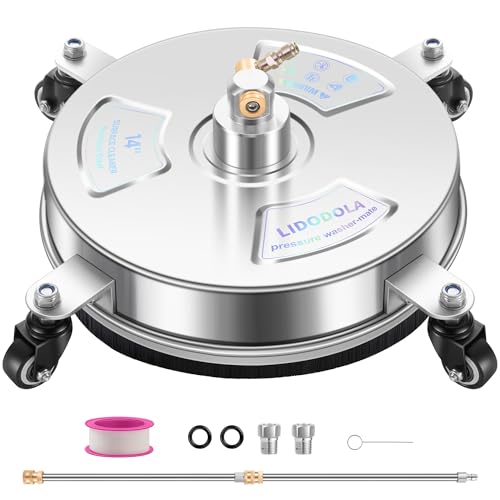
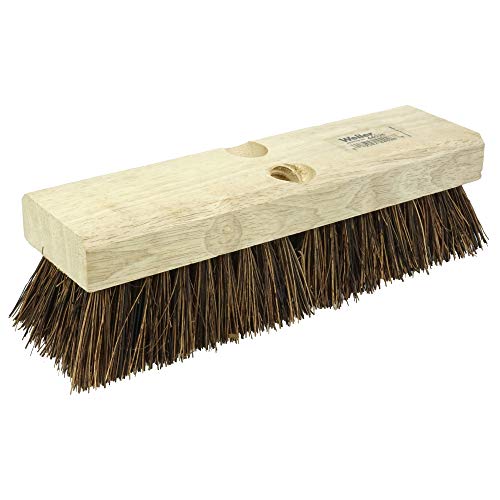
Concrete surfaces in homes, garages, driveways, and patios can accumulate dirt, oil stains, and weathered grime over time. With the right approach and tools, you can restore a fresh, clean look without damaging the surface. This guide outlines a practical step-by-step method using common equipment such as an electric pressure washer 1800 psi for concrete cleaning, a concrete surface cleaner attachment for pressure washer, and a stiff-bristle heavy-duty concrete floor scrub brush.
Whether you’re preparing a space for a new coating, removing stubborn stains, or simply keeping outdoor areas tidy, the following steps prioritize safety, efficiency, and lasting results. The methods below are designed for typical residential concrete and are suitable for most DIY projects in the United States.
Quick Answer
Two essential tools for effective concrete cleaning are an electric pressure washer 1800 psi for concrete cleaning and a concrete surface cleaner attachment for pressure washer. Pair these with a stiff-bristle heavy-duty concrete floor scrub brush for tight corners and textured surfaces. Focus on a measured approach: pre-rinse, targeted washing, and thorough rinsing to avoid streaks and residue.
What You’ll Need
- Electric pressure washer 1800 psi for concrete cleaning
- Concrete surface cleaner attachment for pressure washer
- Stiff-bristle heavy-duty concrete floor scrub brush
- Biodegradable concrete cleaner or degreaser (non-acidic if possible)
- Water source and garden hose with quick-connect
- Sturdy exterior-safe brushes and non-slip footwear
- Protective gloves and eye protection

Before You Start
Assess the concrete surface for cracks, loose sections, or sealant issues. If you notice significant spalling or crumbling, consult a professional before pressure washing. Protect nearby plants, siding, and electrical outlets from water spray. Schedule a dry day to avoid rapid re-soiling from rain. This project assumes access to a standard exterior area and an outlet to power the pressure washer. Avoid using high pressure on fragile or newly poured concrete.
Step-By-Step: How To Keep Concrete Clean
- Prepare the area by sweeping away loose debris and rinsing with clear water to loosen dirt.
- Attach the concrete surface cleaner attachment for pressure washer to improve even cleaning on flat surfaces and reduce streaking.
- Apply a dilute concrete cleaner or select a degreaser for oil stains, following the product’s label directions for dilution ratios.
- Begin with a low-pressure setting, holding the wand at a slight angle and moving in a consistent, overlapping pattern to prevent missed spots.
- Resume with the concrete surface cleaner attachment for larger areas; keep the surface flat and move steadily to maximize coverage.
- For stubborn stains, switch to the stiff-bristle heavy-duty concrete floor scrub brush and scrub in circular motions, then rinse you cleaned area with the pressure washer.
- Rinse thoroughly from top to bottom to ensure all cleaner and loosened dirt are washed away.
- Reinspect for remaining stains. Repeat targeted cleaning only on areas that need it to avoid over-wetting the surface.
- Allow the area to dry completely before applying any sealant or coating, if planned.
- Clean and store tools properly, ensuring the pressure washer and attachments are drained and dry before storage.
- Dispose of wastewater in accordance with local regulations and avoid directing runoff into storm drains where prohibited.
Troubleshooting
| Symptom | Likely Cause | Fix | Prevention |
|---|---|---|---|
| Streaks after washing | Uneven pressure or improper wand angle | Adjust stance, use overlapping passes, ensure the surface cleaner is level | Test on a small area first |
| Surface too slippery after cleaning | Residue from cleaner or soap | Rinse thoroughly with clean water | Use minimal soap and rinse completely |
| Stubborn oil stains persist | Deep-set stains | Apply degreaser, allow dwell time, then re-scrub | Address oil spots promptly when first noticed |
| Low cleaning performance | Clogged nozzle or worn brushes | Check attachments, replace worn parts | Regular maintenance and correct nozzle size |
Common Mistakes
- Using too high pressure on delicate, older, or newly coated concrete.
- Skipping pre-wash steps and soil loosening tests on tough stains.
- Over-wetting porous surfaces, which can cause staining or etching.
- Dragging brush edges without overlapping passes, leading to uneven cleaning.
To avoid these issues, plan a light initial pass, then adjust pressure based on surface feedback. For best results, maintain a steady rhythm and keep attachments clean and properly connected.
Tips For Best Results
- Work from the top down to prevent dirty water from running over cleaned areas.
- Use a dedicated surface cleaner when cleaning large flat areas for faster, uniform results.
- Test a small hidden area first to verify no damage or discoloration occurs.
- Keep the nozzle level and use overlapping passes to minimize lines and streaks.
- Schedule regular cleanings to keep oil and algae buildup from becoming harder to remove.
Call A Professional
Consider calling a professional if you notice large cracks, structural damage, or persistent stains after multiple cleanings. Stop cleaning immediately if you see bubbling, discoloration, or surface flaking, as these can indicate sealant failure or substrate damage. If the area requires extensive preparation or if you are unsure about the recommended pressure level for your concrete, a qualified contractor can assess and treat the surface safely.
FAQ
What equipment is essential for cleaning concrete effectively?
An electric pressure washer 1800 psi for concrete cleaning, a concrete surface cleaner attachment for pressure washer, and a stiff-bristle heavy-duty concrete floor scrub brush form the core toolkit for efficient cleaning.
Can I use bleach or acid cleaners on concrete surfaces?
Most residential projects benefit from biodegradable, non-acidic cleaners. Avoid harsh acids that can damage the concrete and nearby materials.
How long should concrete dry after cleaning before sealing?
Allow 24 to 48 hours of drying time in good weather conditions, depending on sun exposure and porosity.
Is it safe to pressure wash stained driveways?
Yes, with the right attachment and moderate pressure, staining can be lifted. Avoid aggressive techniques on very old or failing concrete.
What maintenance steps follow cleaning?
Rinse equipment, inspect for wear, and store components properly. Treat the surface with sealants only after full dry-out if you choose to seal.
Should I hire a pro for large areas?
Yes, for expansive driveways, heavy staining, or delicate substrates, professional service can ensure uniform results and protect the concrete.
Buying Guide
When selecting tools to keep concrete clean, consider several buying factors to ensure long-term satisfaction.
- Size and pressure: Look for an electric pressure washer around 1800 psi for typical outdoor concrete cleaning. A higher psi is not always better for delicate surfaces.
- Attachments: A concrete surface cleaner attachment for pressure washer helps deliver even cleaning on large flat areas, reducing streaks and speeding up the job.
- Scrub brushes: A stiff-bristle heavy-duty concrete floor scrub brush is essential for grout lines, corners, and textured surfaces.
- Detergents: Choose biodegradable cleaners that are safe for plants and pets and compatible with your pressure washer.
- Durability: Look for robust materials and hoses with a good warranty, especially if you clean frequently.
- Ease of use: Quick-connects and ergonomic handles reduce fatigue during longer cleaning sessions.
- Noise and energy efficiency: While most homeowners tolerate some noise, selecting an efficient model helps reduce energy use and runtime for most projects.
- Placement: Ensure outdoor use compatibility, weather resistance, and safe storage options near your workspace.
Consider how often you clean concrete, the typical stains you face, and the area size. If unsure, start with a mid-range setup and upgrade only if you encounter frequent heavy cleaning needs. Ready access to a compatible power outlet and water supply also influences your choice of tools. By balancing power with surface care, you can keep concrete clean and protected for years to come.
Leave a Reply