How to Clean a Copper Bracelet: Safe, Simple Methods for Shine
Copper bracelets add a distinctive touch to any jewelry collection, but their copper finish can dull with wear. Regular cleaning helps restore luster while protecting the metal and any accents. This guide walks through practical methods using common polishing tools and gentle cleansers suitable for most copper bracelets.
With the right approach, you can remove tarnish, grime, and oils without risking discoloration or damage to delicate designs. The steps below cover quick upkeep and deeper cleaning for more stubborn buildup, all while keeping copper’s natural patina in mind.
Quick Answer
Fast method: Wipe with a dedicated copper jewelry polishing cloth, then buff with a microfiber cloth. For heavier tarnish, use a copper jewelry cleaning kit or an ultrasonic jewelry cleaner as directed by the manufacturer.
What You’ll Need
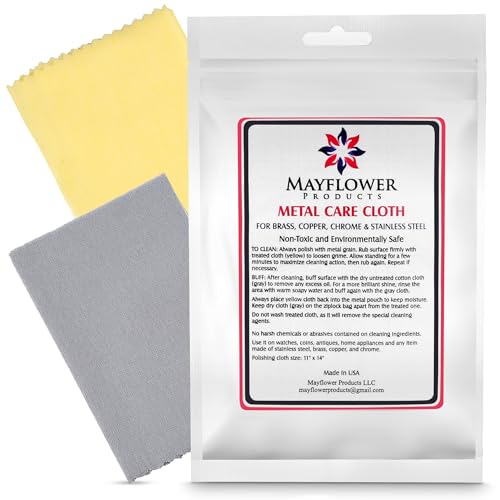
- Copper jewelry cleaning kit polishing cloths
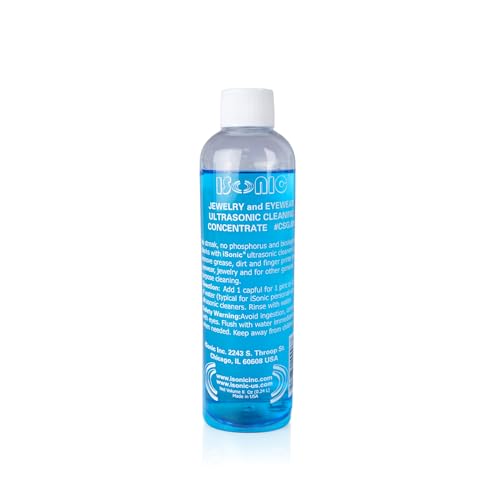
- Ultrasonic jewelry cleaner copper bracelet
- Copper bracelet polishing cloths microfiber kit

Before You Start
Inspect the bracelet for loose stones, enamel, or delicate links before cleaning. If any components look fragile, avoid aggressive cleaning. Work in a well-ventilated area and wear gloves if you have sensitive skin. Time estimates: quick wipe takes 2–5 minutes; deeper cleaning 10–20 minutes.
Important cautions: Do not use harsh acids or abrasive pads on plated surfaces or patina finishes that aren’t purely copper. Test any cleaner on a small, inconspicuous area first to prevent discoloration.
Step-By-Step: How To Clean A Copper Bracelet
- Remove the bracelet from any chain or clasp to access the entire surface.
- Dust with a soft brush or microfiber cloth to lift loose debris.
- For routine cleaning, wipe with a copper jewelry cleaning kit polishing cloths or copper bracelet polishing cloths microfiber kit to remove oils.
- If tarnish remains, submerge the bracelet in warm water with a drop of mild dish soap, then gently rub with a soft cloth.
- Rinse thoroughly under lukewarm water and pat dry with a clean microfiber cloth.
- For deeper tarnish, use an ultrasonic jewelry cleaner copper bracelet following the manufacturer’s instructions; avoid ultrasonic cleaning if the bracelet has glued stones or delicate settings.
- Apply a light coat of polishing cloth to restore shine and remove any residual smudges.
- Buff evenly in circular motions until the surface gleams and appears uniform.
- Inspect for any remaining dull areas; repeat cleaning on stubborn spots if needed.
- Store in a dry, cool place away from humidity to maintain the finish between cleanings.
- Document any changes in color or finish that might indicate a coating or plating underneath.
- Recheck clasps and links for looseness after cleaning, and reassemble if needed.
Troubleshooting
| Symptom | Likely Cause | Fix | Prevention |
|---|---|---|---|
| Brass or copper discoloration returns quickly | Oils or sweat residues | Wipe with polishing cloth after wear | Regular light cleanings |
| Stains around stones | Cleaning solution seepage | Avoid soaking stones; clean around settings | Use protective cloth around stones |
| Scratches appear after cleaning | Abrasive products | Switch to non-abrasive cloths | Gentle, circular motions |
| Patina looks uneven | Uneven cleaning or exposure | Evenly re-clean entire surface | Frequent, light cleanings |
Common Mistakes
- Using abrasive pads on copper or plated finishes
- Soaking jewelry with stones or enamel
- Over-reliance on harsh chemicals or bleach
- Not drying thoroughly, leading to water spots
Avoid these pitfalls by sticking to soft cloths, mild solutions, and cautious handling of decorative elements.
Tips For Best Results
- Test any cleaner on a hidden area first to confirm compatibility.
- Polish in a consistent direction to maintain a uniform finish.
- Switch between different cloth types to maximize shine without scratching.
- Use an ultrasonic cleaner only when the bracelet’s construction allows it.
- Store your copper bracelet in a dry pouch or jewelry box to slow tarnish buildup.
Call A Professional
Consider professional help if the bracelet has:
- Delicate settings, stones, or intricate filigree that could be damaged by home cleaning
- Extensive discoloration that does not respond to standard methods
- Uncertainty about whether the copper is pure or plated
When in doubt, seek a jeweler’s assessment to preserve the piece’s value and finish.
FAQ
Can I clean copper bracelets with household cleaners?
Generally, it’s best to use mild cleaners designed for jewelry; avoid harsh household chemicals that can damage finishes.
Is it safe to use ultrasonic cleaners on copper bracelets?
Yes, provided the bracelet has no loose stones or delicate components that could be harmed by ultrasonic waves.
How often should I clean my copper bracelet?
Light cleaning after each wear helps maintain shine; a deeper clean every few weeks or monthly is usually sufficient for typical usage.
What’s the difference between copper polishing cloths and microfiber kits?
Polishing cloths focus on restoring shine, while microfiber kits may include multiple cloths and solutions for comprehensive cleaning.
Buying Guide
When choosing copper jewelry care tools, consider these factors to optimize results and protect your piece:
- Size and coverage: Look for cloths or pads large enough to cover the bracelet surface evenly.
- Noise and energy use: Ultrasonic cleaners vary in sound level and power; choose a model that fits your tolerance and cleaning frequency.
- Energy efficiency: Low-power options can be gentler on delicate designs while still effective.
- Controls and settings: Simple on/off modes are often sufficient; advanced models may offer adjustable frequency.
- Placement: A stable cleaning station with room for dipping or wiping prevents accidental slips and scratches.
- Material compatibility: Ensure cleaners are labeled safe for copper and any stones or coatings on the bracelet.
For most daily wearers, a dedicated copper jewelry cleaning kit or a gentle ultrasonic cleaner coupled with microfiber and polishing cloths provides reliable results. Consider your bracelet’s design, stone settings, and how often you clean when selecting a kit. Would you like help comparing specific models or brands?
Leave a Reply