How to Clean Restaurant Floors Effectively and Safely
Cleaning restaurant floors is a critical part of daily operations, helping maintain hygiene, safety, and a positive dining experience. This guide outlines practical steps and recommended tools for American kitchens, from back-of-house prep to routine maintenance.
With the right approach, restaurant floors stay slip-resistant, look professional, and resist grease buildup. The methods below emphasize efficiency, safety, and compliance with typical health standards found across U.S. markets.
Quick Answer
Best practice: start with dry debris removal, then apply a compatible degreaser, scrub hard surfaces, rinse thoroughly, and allow to dry completely. Use a floor scrubber for large areas to save time, and switch to a microfiber mop for edging and detail work. Always follow label directions on cleaners and test on a small area first.
What You’ll Need
- Commercial floor scrubber machine 20-inch restaurant kitchen
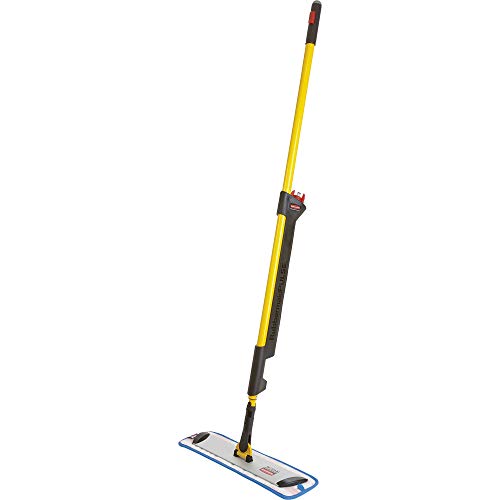
- Microfiber mop system professional restaurant kitchen
- Industrial degreaser concentrate for restaurant floors 5 gallon
- Wet-dry vacuum or squeegee to manage liquid waste
- Bucket, wringer, and appropriate cleaning brushes
- Non-slip floor mats or mats at entryways


Before You Start
Prepare the area by removing movable equipment and clearing traffic paths. Post wet floor signs as a safety precaution. Ensure ventilation is adequate when using chemical cleaners. Protect skin and eyes by wearing gloves and, if needed, goggles. Time estimate: 20–45 minutes for a typical kitchen floor, longer for larger areas or deep cleaning. Critical cautions: avoid mixing cleaners unless the label permits it; never dilute strong acids with bases; and ensure floors are compatible with the cleaning method to prevent damage.
Step-By-Step: How To Clean Restaurant Floors
- Clear the work area and sweep or dry-vacuum loose debris from the entire floor surface.
- Contain and prepare cleaning zones. If using a floor scrubber, select the appropriate pad and solution concentration per the degreaser instructions.
- Apply the industrial degreaser concentrate to grease-prone areas, allowing a brief dwell time to loosen soil.
- Operate the 20-inch commercial floor scrubber machine across the floor in a methodical pattern, moving from cleaner to dirtier zones to prevent cross-contamination.
- Rinse or extract dirty solution with the scrubber or a wet-dry vacuum, ensuring residual cleaner is removed from all seams and edges.
- Switch to a microfiber mop system for precise edging, corners, and under equipment. Wring frequently to prevent streaking.
- Spot-clean stubborn stains with a soft brush and reapply cleaner if needed, then scrub again and rinse.
- Allow floors to air-dry completely or use a squeegee to speed drying in high-traffic areas.
- Return equipment and signage to their original spots once the floor is dry and safe.
- Document cleaning time and any maintenance notes for consistency and inspections.
- Schedule regular maintenance, including periodic deep cleans and pad changes on the scrubber to sustain performance.
Troubleshooting
| Symptom | Likely Cause | Fix | Prevention |
|---|---|---|---|
| Streaks after cleaning | Inadequate rinsing or dirty mop pad | Rinse thoroughly; replace or clean pad | Use clean microfiber pads; maintain rinse cycles |
| Sticky residue | Undiluted cleaner or incompatible chemical | Rinse with plain water, re-clean with proper dilution | Follow label guidance; test in a small area |
| Slow drying | High humidity or moisture buildup | Improve ventilation; use fans or dehumidifier | Schedule cleaning during lower-traffic hours |
| Grease buildup in corners | Edge areas missed during scrubbing | Focus on edges with microfiber mop and corner brushes | Incorporate edge cleaning into routine |
Common Mistakes
- Using too much cleaner, resulting in sticky surfaces or residue
- Neglecting floor edges and under equipment when scrubbing
- Not allowing sufficient drying time, increasing slip risk
- Skipping pad changes or using the wrong pad for the floor type
Attention to these points helps maintain a safe, sanitary kitchen floor and reduces downtime due to cleaning issues.
Tips For Best Results
- Establish a routine: daily quick clean, weekly deep clean, and periodic heavy degreasing for problem areas.
- Separate degreaser from general cleaner to target heavy grease without creating excessive suds.
- Test cleaning products on a small area before full application to prevent surface damage.
- Replace microfiber mop heads as they wear to preserve absorbency and cleanliness.
- Maintain a consistent cleaning schedule with documented steps for staff training and audits.
Call A Professional
When symptoms persist after basic cleaning, consider professional help. Seek a specialist if there is persistent staining, floor damage, or recurring heavy grease buildup that affects safety and sanitation. If the floor shows signs of wear that compromise slip resistance or if chemical exposure risks appear, consulting a pro is the prudent choice.
FAQ
How often should restaurant floors be cleaned in a busy kitchen?
Daily quick cleaning with deep cleaning several times per week is common, with a full scrub-down weekly or as needed for grease hotspots.
Can I use home cleaning products on restaurant floors?
Home products may not be effective or safe for commercial floors; use approved industrial degreasers and floor cleaning equipment designed for restaurant use.
What maintenance helps extend floor life in a kitchen?
Regular degreasing, pad maintenance, and timely repair of worn grout or sealant help extend floor life and safety.
Is a floor scrubber necessary for small kitchens?
While not mandatory, a 20-inch floor scrubber saves time and ensures consistent results in medium to large kitchens; small spaces can still benefit from microfiber mops and manual scrubbing.
Buying Guide
Choosing the right cleaning setup for a restaurant floor involves several factors. Size matters: larger spaces benefit from a 20-inch floor scrubber for efficiency, while smaller kitchens may rely more on a microfiber system. Noise level is important in dine-in areas and staff rooms, so consider models with variable speed or lower noise operation. Energy efficiency reduces operating costs over time, particularly for daily use. Controls should be simple and intuitive for quick staff training, with clear on/off and solution dilution features. Placement considerations include storage space for equipment and easy access to charging stations. When comparing options, weigh coverage area, solution compatibility, pad types, and maintenance support to ensure long-term performance.
Leave a Reply