How to Get Rid of Bad Breath Caused by Braces
Braces can trap food particles and plaque, which may lead to persistent bad breath if not addressed with a consistent cleaning routine. This guide outlines practical steps, tools, and best practices tailored for people wearing braces, helping you freshen breath and maintain healthier oral hygiene.
Quick Answer
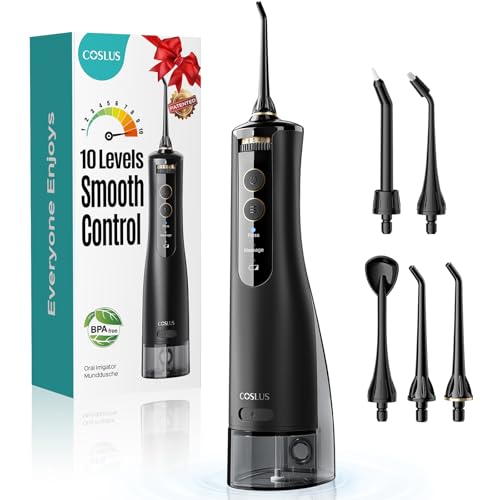
Combining thorough brushing and flossing with targeted cleaning tools is key. Use a water flosser for braces orthodontic use daily, supplement with a 0.6mm interdental brush for tight spaces, and finish with an orthodontic tongue scraper to remove bacteria from the tongue. Maintain regular dental cleanings and replace habits that harbor odor-causing debris.
What You’ll Need
- Water flosser for braces orthodontic use
- Interdental brush for braces 0.6mm
- Orthodontic tongue scraper
- Soft-bristle toothbrush and fluoridated toothpaste
- Alcohol-free mouthwash (optional)
- Hydrogen peroxide rinse (diluted, if recommended by your dentist)


Before You Start
Set aside a dedicated brushing and cleaning routine. Schedule a dental checkup to rule out decay or gum disease, which can worsen odor. Plan for brief cleaning after meals if you cannot brush immediately. Important cautions: avoid aggressive brushing that can irritate gums, and do not overuse mouthwash if it dries the mouth. Ensure braces mouthpieces and wires are clean but not damaged during cleaning sessions.
Step-By-Step: How To Eliminate Bad Breath With Braces
- Rinse your mouth with water to loosen debris trapped around brackets and wires.
- Brush thoroughly using small circular motions, paying extra attention to brackets, gum lines, and the tooth surfaces near the wires.
- Use the water flosser for braces orthodontic use to dislodge food particles between teeth and under wires; operate at a comfortable pressure.
- Insert the interdental brush for braces 0.6mm gently between teeth and around each bracket to remove plaque and buildup.
- Brush the tongue with an orthodontic tongue scraper from back to front to reduce tongue-borne bacteria that contribute to halitosis.
- Rinse with a mild, alcohol-free mouthwash if desired; avoid rinses with high alcohol content that can dry the mouth.
- Consider a hydrogen peroxide rinse if advised by a dentist; use only the recommended dilution and duration.
- Eat meals that promote clean teeth and avoid sticky, sugary foods that cling to braces and promote odor-causing bacteria.
- Keep a regular hygiene schedule: brush after meals, floss daily, and attend orthodontic appointments for adjustments and professional cleanings.
- Track habits that worsen breath, such as smoking or skipping meals, and gradually replace with healthier routines.
- Maintain a hydration habit to prevent dry mouth, which can intensify bad breath.
- If persistent odor remains, consult your orthodontist or dentist for a professional assessment and possible adjustments to your regimen.
Troubleshooting
| Symptom | Likely Cause | Fix | Prevention |
|---|---|---|---|
| Breath remains foul after brushing | Inadequate cleaning around braces | Increase brushing focus around brackets; add water flosser sessions | Carry cleaning tools for after-meal use |
| White/yellow buildup near brackets | Plaque accumulation | Use interdental brush for braces 0.6mm and floss daily | Consistent brushing routine |
| Dry mouth | Overuse of mouthwash or dehydration | Switch to alcohol-free rinse; increase water intake | Stay hydrated throughout the day |
| Sour or metallic taste | Infection or gum inflammation | See a dentist promptly for evaluation | Maintain oral hygiene and regular checkups |
Common Mistakes
- Rushing brushing around braces without cleaning each bracket and wire contact point
- Relying solely on brushing; neglecting interdental cleaning and tongue hygiene
- Using aggressive rinses or hard-bristle brushes that irritate gums
- Skipping meals or delaying brushing after eating sugary or starchy foods
Tips For Best Results
- Schedule cleaning sessions after meals when possible to prevent residue buildup
- Combine tools: water flosser daily, interdental brush after meals, and tongue scraper daily
- Keep braces clean by cleaning aligners if used and washing them as directed by your orthodontist
- Stay hydrated to maintain saliva flow, which naturally fights odor-causing bacteria
- Replace toothbrush every 3–4 months or sooner if bristles splay or fray
Call A Professional
Seek professional advice if you notice persistent bad breath that doesn’t improve with improved hygiene. Stop home remedies if they cause irritation or mouth sores. Contact your orthodontist if you experience obvious gum inflammation, bleeding, or pain around braces, or if you suspect an underlying dental condition such as decay or gum disease.
FAQ
What causes bad breath with braces?
Food particles trapped around brackets and wires can promote bacterial growth, leading to odor if not cleaned properly.
How often should I use a water flosser with braces?
Daily use is recommended to dislodge debris and maintain gum health around braces.
Are 0.6mm interdental brushes enough for braces?
Yes, the 0.6mm size fits between many braces spacings, helping remove plaque where brushing alone cannot reach.
Can tongue cleaning help with braces-related bad breath?
Yes, bacteria on the tongue contribute to odor; using an orthodontic tongue scraper can reduce this source of bad breath.
Buying Guide
Choosing the right tools for braces-related breath freshness involves evaluating several factors. Consider the following aspects to find items that fit your needs and your dental plan.
Size and fit
Interdental brushes come in various diameters; select 0.6mm if your orthodontist recommends it for your gap size. Ensure the water flosser nozzle can reach around brackets and wires comfortably.
Noise level
Water flossers vary in sound. If you share a bathroom or have sensitivity to noise, look for models with quieter operation and adjustable water pressure.
Energy efficiency
Choose devices with efficient motors and automatic shutoff features to save energy and extend device life.
Controls and ease of use
Opt for intuitive controls, multiple pressure settings, and easy tip changes. A comfortable grip and ergonomic design help with precise cleaning around braces.
Placement and storage
Consider compact designs for small bathrooms. Look for models with integrated holders or travel cases to keep attachments organized and clean.
Material compatibility and care
Ensure toothbrushes, interdental brushes, and tongue scrapers are compatible with braces and safe for use on enamel and gums. Follow cleaning and replacement guidelines to avoid contamination.
Value and bundle options
Evaluate bundles that include multiple brushes, tongue scrapers, and water flossers to cover all cleaning needs. Compare warranties and customer support options for long-term use.
Leave a Reply