How to Remove Sediment From Well Water
Well water can carry sediment that affects taste, clarity, and filtration efficiency. This guide explains practical steps to reduce sediment using common filtration components designed for whole-house treatment. Readers will learn about the right equipment, safe installation practices, and maintenance routines to keep water clean and consistent.
Quick Answer
Install a whole-house filtration solution designed for well water, starting with a sediment filter capable of handling fine particles. Use a 20×4.5 inch sediment filter housing with a 5 micron cartridge, paired with a compatible replacement filter. Regularly replace the 5 micron cartridge and monitor water clarity to determine when a pre-filter kit or additional treatment is needed.
What You’ll Need
- 20×4.5 inch sediment filter housing with 5 micron cartridge for well water
- well water sediment filter cartridge 5 micron replacement for whole-house filtration
- whole-house pre-filter kit for well water 20×4.5 inch housing

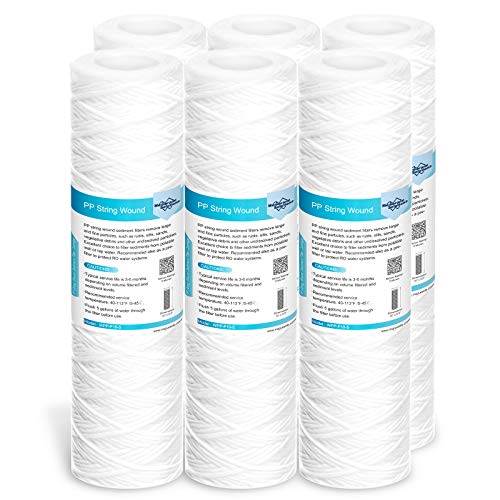

Before You Start
Assess your current water quality by noting turbidity, taste, and any staining. Check local codes for well construction and filtration installations. Plan for a convenient mounting location close to the main water line and accessible for cartridge changes. Typical time for initial setup is 2–4 hours depending on piping and electrical work. Turn off water and relieve pressure before any work. Wear eye protection and gloves during installation.
Step-By-Step: How To Remove Sediment From Well Water
- Shut off the main water supply and relieve system pressure by opening a faucet at the lowest point of the house.
- Drain the existing line to ensure a dry work environment and prevent spills.
- Install the 20×4.5 inch sediment filter housing at a convenient location on the main line, using appropriate piping adapters.
- Insert the 5 micron sediment filter cartridge into the housing, ensuring it seats properly.
- Attach the housing lid securely and perform a leak test with a small amount of water first.
- Turn the water back on slowly and check for leaks around all fittings.
- Run water for several minutes to flush any loose particles from the new filter.
- Monitor discharge water for clarity and absence of sediment over the next 24–72 hours.
- Replace the 5 micron cartridge according to water quality observations and manufacturer recommendations.
- Consider adding a whole-house pre-filter kit for well water if sediment persists or if water pressure drops.
- Schedule regular maintenance: inspect filters every 3–6 months and replace as needed.
- Replace pre-filter components as part of seasonal maintenance or when performance declines.
Troubleshooting
| Symptom | Likely Cause | Fix | Prevention |
|---|---|---|---|
| Persistent sediment after filter change | Filter is undersized for flow or micron rating too high | Upgrade to a lower micron cartridge or add a second stage | Match filter capacity to household water use |
| Reduced water pressure | Clogged filter or sediment pile-up | Replace cartridge and flush line thoroughly | Schedule regular filter replacements |
| Leaking fittings | Improper seal or damaged gasket | Re-tighten fittings or replace gaskets | Use proper sealant and torque specifications |
| Water taste or odor despite filtration | Higher-than-5 micron sediment or mineral content | Install second stage or dechlorination if needed | Test water periodically and adjust system accordingly |
Common Mistakes
- Using a cartridge with too high a micron rating for initial sediment capture
- Installing filters without flushing new cartridges before first use
- Ignoring maintenance schedules and letting cartridges clog
- Mislabeling or mixing different filter types on the same housing
Tips For Best Results
- Consider a two-stage approach: a pre-filter to capture larger particles followed by a finer 5 micron cartridge for finer sediment.
- Place the filtration system after the well pressure tank to ensure consistent flow.
- Keep spare 5 micron cartridges on hand for quick changes to minimize downtime.
- Document water test results and filter replacement dates to optimize performance.
Call A Professional
Stop and call a professional if you notice ongoing leaks, significant pressure drops after changes, or if water shows unexpected contamination indicators such as unusual color, taste, or odor that persists after filtration. Seek assistance for complex plumbing work, electrical components, or building code concerns.
FAQ
What is the purpose of a 5 micron cartridge?
A 5 micron cartridge captures fine sediment that escapes larger filters, improving clarity and protecting downstream appliances.
How often should I replace the sediment filter?
Replacement frequency depends on water usage and sediment load, typically every 6–12 months, or sooner if flow decreases or water clarity worsens.
Can I use the same housing for different filters?
Only use filters designed for the stated housing size and micron rating to ensure proper fit and performance.
Is pre-filtration necessary for all well water systems?
Not always, but a pre-filter kit can extend life of the main filter and improve sediment removal in challenging water conditions.
Buying Guide
When selecting filtration components, consider the following factors to match well water needs:
- Size and flow rate: Ensure the 20×4.5 inch housing supports household water demand without bottlenecks.
- Micron rating: A 5 micron cartridge is effective for typical well sediment; adjust if sediment varies widely.
- Energy efficiency and pressure: Filter systems should not overly restrict flow; monitor pressure gauges if available.
- Controls and maintenance: Choose user-friendly filters with clear indicators and straightforward replacement steps.
- Placement and accessibility: Install in a dry, accessible area near the main water line for easy service.
- <bCombination options: A whole-house pre-filter kit can simplify maintenance and offer staged filtration.
Consider reading product specifications and compatibility notes for the specific housing and cartridge you choose, and verify that the setup aligns with local codes and well water conditions. If in doubt, consult a professional to tailor a solution that fits the home’s plumbing layout and water quality profile.
Leave a Reply