How to Clean Stainless Steel Rings Safely and Effectively
Stainless steel rings offer durability and a modern aesthetic, but keeping their shine requires a simple, methodical approach. This guide walks through practical steps to clean stainless steel rings at home using common tools and safe practices. Readers will learn how to remove dirt, oils, and tarnish without scratching the metal or dulling the finish.
Whether you’re refreshing a daily-wear ring or preparing a piece for a special occasion, the right technique makes a noticeable difference. The methods below emphasize accessibility, safety, and consistent results for routine maintenance and more thorough cleanings.
Quick Answer
Best quick method: Use an ultrasonic jewelry cleaner set to 40kHz with a mild cleaning solution, then gently brush with a nylon bristle jewelry cleaning brush. Dry thoroughly and polish with a soft cloth. For stubborn grime, repeat the ultrasonic soak in warm water with a gentle soap, avoiding abrasive materials.
What You’ll Need
- Ultrasonic jewelry cleaner 40kHz for stainless steel rings
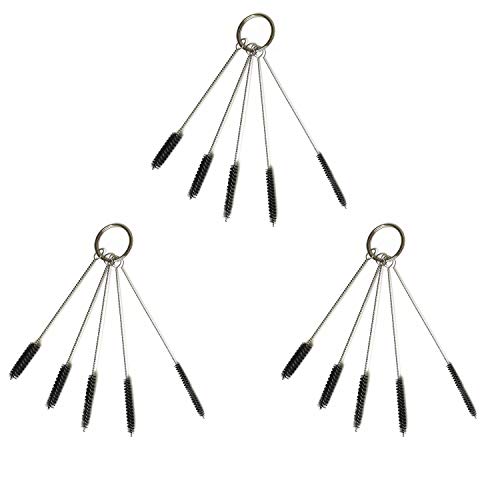
- Stainless steel jewelry cleaning brush nylon bristles
- Jewelry cleaning kit with ultrasonic cleaner polishing cloth solution stainless steel


Before You Start
Prepare a clean workspace and gather materials. Remove any gemstones or clasps if possible to minimize risk during cleaning. Ensure hands are dry before handling the ring to avoid slipping. Never immerse jewelry that contains pearls or porous stones in an ultrasonic cleaner, and avoid harsh chemicals that can damage finishes. Allow the ring to come to room temperature if it’s been stored in a cool environment, as sudden temperature changes can affect settings.
Step-By-Step: How To Clean Stainless Steel Rings
- Fill the ultrasonic cleaner with water and add a small amount of the included cleaning solution designed for stainless steel.
- Place the ring in the cleaner’s basket, ensuring it does not touch the tank walls or other jewelry.
- Set the cleaner to a gentle cycle around 40kHz and run for 3–5 minutes. For heavy residue, run a second cycle after a quick rinse.
- Carefully remove the ring with non-metallic tongs or a soft hook. Rinse under warm running water to remove loosened grime.
- Gently scrub with a nylon bristle jewelry cleaning brush, focusing on grooves, engravings, and any textured surfaces.
- Rinse again to remove all soap residues. Dry the ring completely with a soft microfiber cloth.
- Polish lightly with the polishing cloth included in the kit to restore the high shine. Use a circular motion and light pressure.
- Inspect for remaining smudges or fingerprints. If needed, repeat the ultrasonic cleaning step but limit cycles to avoid overheating the metal.
- Store the ring in a clean, dry place or in a soft pouch to prevent surface scratches.
- If your ring has complex designs or stubborn tarnish, consider a follow-up cleaning with a dedicated stainless steel jewelry cleaner and a soft brush.
Troubleshooting
| Symptom | Likely Cause | Fix | Prevention |
|---|---|---|---|
| Streaks or water spots | Water mineral deposits or incomplete drying | Wipe with a dry microfiber cloth; polish with cloth | Dry thoroughly after cleaning; use distilled water if possible |
| Persistent smudges in grooves | Residue in engravings | Re-soak and brush with nylon bristle brush | Regular cleaning to prevent buildup |
| Discoloration or dull finish | Overexposure to heat or harsh cleaners | Switch to milder solution; avoid abrasive pads | Follow manufacturer guidelines for cleaning solutions |
| Ring surface feels rough | Scratches from aggressive brushing | Use softer brush and lighter pressure | Avoid metal brushes and rough scrubbing |
Common Mistakes
- Using abrasive cleaners or stiff brushes that scratch stainless steel.
- Soaking stones or clasps in ultrasonic cleaners when not recommended.
- Rushing drying and leaving water spots or residue on the metal.
- Neglecting to remove surface oils before polishing, which can hinder shine.
Tips For Best Results
- Consistency matters: clean rings regularly to prevent heavy buildup.
- Choose the right cleaning solution formulated for stainless steel to protect the finish.
- Use a dedicated nylon-bristle brush for intricate designs to avoid scratching.
- Rinse and dry thoroughly between steps to prevent watermarks and corrosion.
- Test on a small area first if the ring has unique finishes or coatings.
Call A Professional
Seek professional help if the ring has set gemstones, unusual finishes, or if there are visible damages like deep scratches, loose settings, or plating wear. Stop cleaning and contact a jeweler if you notice any cracking, significant discoloration, or if the ring feels looser at the setting. Pro maintenance is advised for valuable or heirloom pieces.
FAQ
Can I use household cleaners to clean a stainless steel ring?
Household cleaners can be too harsh and may damage the finish. Use a mild cleaning solution designed for jewelry and follow the ultrasonic cleaning steps outlined.
Is ultrasonic cleaning safe for all stainless steel rings?
Most stainless steel rings tolerate ultrasonic cleaning, but check for stones or coatings that may be sensitive to ultrasound. If in doubt, clean by hand with a soft brush.
How often should I clean my stainless steel ring?
Clean weekly or biweekly for rings worn daily, plus a deeper clean monthly or after exposure to sweat, lotion, or chlorine.
Can I use toothpaste to polish a stainless steel ring?
No. Toothpaste can contain abrasives that scratch the surface. Use the recommended polishing cloth and a gentle jewelry cleaner instead.
What should I do if the ring develops scratches after cleaning?
Minor scratches may fade with professional polishing. For deeper damage, visit a jeweler for restoration options.
Are there any maintenance steps after cleaning?
Yes—store in a dry, soft pouch and avoid contact with sharp metals to minimize scratching and keep the finish bright.
What if the ring has engravings or intricate textures?
Use a nylon-bristle brush with gentle, precise strokes to reach crevices without harming the metal.
Buying Guide
When choosing cleaning tools for stainless steel rings, consider size, noise level, energy efficiency, controls, and placement. A compact ultrasonic cleaner is convenient for home use and typically quiet enough for living spaces. Look for a model with adjustable cleaning cycles, a protective basket, and a durable seal to prevent leaks. For busy users, a kit that combines an ultrasonic cleaner, nylon-bristle brush, and a polishing cloth offers a complete solution. If ring designs feature engravings or recessed areas, ensure the kit includes a brush with narrow bristles to access tight spots. Consider energy-efficient options and those that offer short-cycle programs to reduce run time while delivering thorough cleaning. For placement, choose a stable surface away from heat sources and away from children or pets. Finally, verify compatibility with stainless steel and any stone settings to avoid accidental damage during cleaning.
Leave a Reply