How to Clean Silver Coins
Silver coins can develop tarnish and dullness over time, especially with exposure to air and moisture. Proper cleaning protects their look without damaging their value or surface details. The following guide offers a practical, safe approach for most common silver coins found in collections or circulation.
Quick Answer
To safely clean silver coins, use a specially formulated pH-neutral non-abrasive silver coin cleaning solution and a coin cleaning brush with soft nylon bristles for coins, followed by gentle polishing with a soft microfiber polishing cloth for silver coins. Avoid aggressive scrubs, hot water, or household cleaners. Rinse with distilled water and dry completely with a soft cloth.
What You’ll Need
- pH-neutral non-abrasive silver coin cleaning solution
- Coin cleaning brush with soft nylon bristles for coins
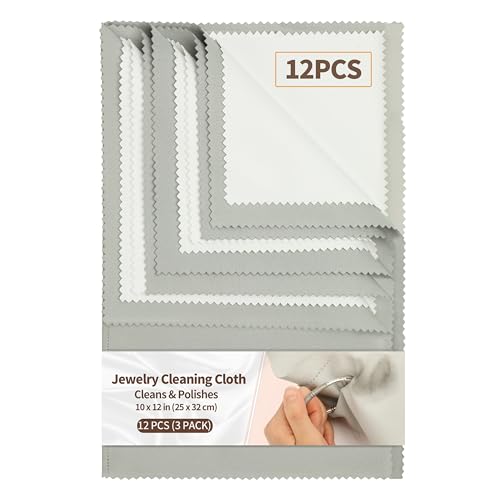
- Soft microfiber polishing cloth for silver coins


Before You Start
Prepare a clean, well-lit workspace. Use a dedicated tray to minimize loss during handling. Wear gloves if desired to avoid skin oils transferring to the coins. Check coins for damage, corrosion, or marine environments that may require professional care. Time estimates vary by coin condition; plan 15–45 minutes for a typical cleaning session. Do not soak coins for long periods, and never use metal tools or abrasive pads.
Step-By-Step: How To Clean Silver Coins
- Place the coin on a soft, lint-free surface to prevent scratches.
- Warm a small amount of the pH-neutral non-abrasive silver coin cleaning solution on a clean towelette or brush placeholder.
- Dip the coin cleaning brush with soft nylon bristles into the solution and gently brush the coin in a straight, linear motion.
- Rinse the coin with distilled water to remove residue from the cleaning solution.
- Pat the coin dry with the soft microfiber polishing cloth for silver coins, using a light, circular motion.
- Inspect the coin for remaining tarnish or residues; repeat steps if necessary, but avoid over-cleaning.
- For heavily tarnished coins, consider a second brief, careful pass with the brush and solution, then rinse again.
- Store cleaned coins in a dry, acid-free holder to slow future tarnish and prevent contact with other metals.
- Record any notable changes in coin appearance for future reference or appraisal notes.
- Dispose of any used cleaning materials responsibly and sanitize the workspace after cleaning.
Troubleshooting
| Symptom | Likely Cause | Fix | Prevention |
|---|---|---|---|
| Dull grey haze remains after cleaning | Persistent tarnish or surface oxidation | Gently repeat brushing with cleaned brush and fresh solution | Regular, light cleanings to slow buildup |
| Scratches or micro-scratches appear | Use of abrasive tools or rough handling | Switch to softer brushes and avoid rubbing hard | Handle coins by edges; keep brushes dedicated to coins |
| Rings or spots not fully removed | Uneven cleaning or residue | Re-wet the cloth and re-brush target areas | Rinse thoroughly and dry completely after each pass |
| Water spots after drying | Tap water minerals | Rinse with distilled water and dry promptly | Use distilled water for all rinses |
Common Mistakes
- Using household cleaners or abrasives on coins
- Soaking coins for extended periods
- Over-brushing or applying heavy pressure
- Cleaning coins with opposite metals in the same bowl
- Neglecting to dry coins completely, promoting future tarnish
Tips For Best Results
- Perform a test clean on a lower-value coin if unsure about sensitivity.
- Work in a dust-free area to avoid particles sticking to wet surfaces.
- Use distilled water for both rinsing and final drying to minimize mineral residues.
- Store cleaned coins in proper holders or flips to protect patina and detail.
- Keep cleaning tools dedicated to coins to avoid cross-contamination with other metals.
Call A Professional
Seek professional advice if a coin shows:
- Significant corrosion, pitting, or enamel loss
- Very delicate or ancient coins with high numismatic value
- Uncertainty about the proper cleaning approach
Professionals can assess value implications and use specialized methods that preserve mint marks and surface integrity.
FAQ
Is it safe to clean all silver coins at home?
Most modern silver coins can be cleaned safely with a gentle cleaning solution and soft brushes, but highly valued or ancient coins may require expert handling.
What cleaning solution should I use for silver coins?
A pH-neutral non-abrasive silver coin cleaning solution is recommended to minimize surface damage while removing tarnish.
Can I use tap water for rinsing?
Avoid tap water due to minerals; use distilled water for rinsing and drying when possible.
How can I prevent tarnish after cleaning?
Store coins in dry, cool conditions and use acid-free holders or flips to limit exposure to contaminants.
What should I do if coins turn dull again quickly?
Reassess storage conditions and consider periodic light cleaning to slow oxidation without overhandling.
How often should I clean silver coins?
Cleaning frequency depends on exposure; typically only when tarnish becomes noticeable or affects viewing of details.
Buying Guide
Choosing the right kit for silver coin cleaning involves several factors. Size and handling: ensure brushes and cloths are appropriate for the coin’s size and detail without risk of overreach or catching edges. Noise level and energy use are minor concerns for manual cleaning, but consider the simplicity of the solution’s kit and how often you’ll use it. Energy efficiency isn’t critical here, but using a gentle, ready-to-use formula is convenient. Controls and placement: opt for simple, dedicated tools designed for coins, with a stable surface for work and proper storage containers to keep coins separated and protected. When comparing products, look for clear instructions, non-abrasive formulations, and materials that won’t leave fibers on the coin surfaces. If you’re unsure, start with a basic kit that includes a pH-neutral cleaning solution, a soft nylon brush, and a microfiber cloth, ensuring all components are labeled for coin care. This approach minimizes risk and supports consistent cleaning results while preserving coin details and finish.
Leave a Reply