How to Get Rid of Cockleburs Effectively
Cockleburs are a common garden nuisance that can cling to clothing, pets, and gear, making outdoor maintenance frustrating. This guide explains practical, safe steps to remove cockleburs from lawns and gardens, with tools designed to minimize soil disturbance and root return. By following a simple sequence—from preparation to preventive strategies—homeowners can reduce cocklebur populations and keep their spaces clean.
With the right approach, you can tackle bur-laden areas without repeatedly pulling weeds by hand. The focus here is on proven methods and user-friendly tools that fit typical American backyards and seasonal work patterns. Whether you’re dealing with a small patch or a larger bed, the strategies below emphasize efficiency and long-term control.
Quick Answer
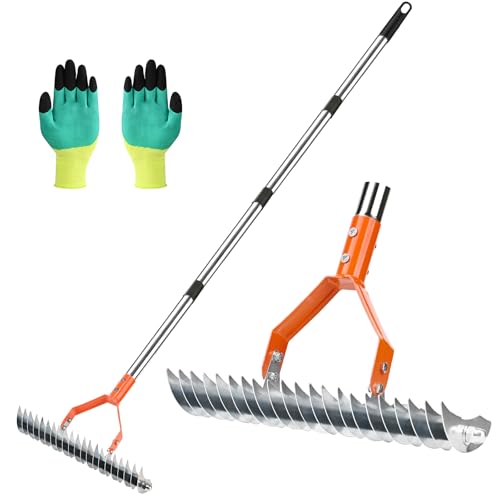
Best starting tool: a cocklebur weed removal tool or weed puller tool for burrs to grasp and extract roots with minimal soil disruption. Follow-up cleanup: a garden rake for bur removal cockleburs to sweep up burs and prevent seed spread. Consistent removal before seeding ensures fewer regrowth cycles.
What You’ll Need
- Cocklebur weed removal tool
- Weed puller tool for burrs
- Garden rake for bur removal cockleburs
- Gloves and eye protection
- Mulch or compost to cover bare soil
- Trash bag or compost bin for plant material

Before You Start
Assess the area to identify dense patches versus scattered plants. Wear gloves to protect hands from burrs and sticky seeds. Water the soil the day before weeding; moist soil loosens roots and reduces breakage. Plan to weed on a dry, calm day to avoid seed release from disturbed burs. Safety note: avoid inhaling dust, and keep pets away from treated patches during removal. Expect multiple sessions across weeks, as cockleburs can reestablish from seeds in surrounding areas.
Step-By-Step: How To Remove Cockleburs Safely
- Put on gloves and eye protection, then inspect the area to map bur-heavy zones.
- Water the ground lightly to loosen soil and ease root extraction.
- Use the cocklebur weed removal tool to grip the base of a mature plant near the crown.
- Gently rock the tool to loosen the root system, pulling upward with a steady, straight motion.
- Transfer removed plants into a trash bag or compost bin; avoid composting at-home piles if they can spread seeds.
- After removing the plants, rake the area with a garden rake for bur removal cockleburs to collect burs and loosened soil.
- Inspect surrounding soil for new sprouts and repeat the pull as needed.
- Apply a thin layer of mulch to suppress weed growth and minimize seed germination.
- Consider a regular weeding schedule during the growing season to intercept new rosettes before they establish.
- Identify adjacent turf or beds where cockleburs may proliferate and extend the treatment there as a preventive measure.
- Monitor the area for several weeks, especially after rain, as seeds may emerge later in the season.
- Evaluate long-term control options, such as targeted mulching or edging, to reduce new burr formation.
Troubleshooting
| Symptom | Likely Cause | Fix | Prevention |
|---|---|---|---|
| Burs continue to appear after pulling | Underground rhizomes or missed plants | Revisit the area with a weed puller tool for burrs and remove regrowth | Regular inspection and immediate removal when sprouts appear |
| Root breaks and plants resprout | Soil too dry or hard, tools not gripping | Moisten soil lightly and adjust tool angle for better grip | Keep soil consistently moist before weeding |
| Burs scatter during removal | Shaking or pulling burs loose | Pull slowly with steady force and collect burs with a rake | Wear gloves and work during low-wind conditions |
| Seed spread after disturbance | Leaving mature seeds in the area | Seal removed plants in bags and dispose promptly | Delay removal until seeds are nonviable and dispose properly |
Common Mistakes
- Pulling burrs without loosening soil, causing root breakage and fragmentation
- Ignoring nearby patches that seed into the disturbed area
- Forgetting to dispose of mature seeds rather than composting
- Using overly aggressive tools that damage surrounding desirable plants
By avoiding these missteps, gardeners can improve success rates and reduce recurring cocklebur growth over time.
Tips For Best Results
- Schedule weeding sessions in the morning when burrs are less likely to spread seeds in the wind.
- Combine tool use with mulching to suppress weed germination and maintain soil moisture.
- Keep a dedicated toolkit for weed removal to prevent cross-contamination with other garden activities.
- Document patch locations and seasonal patterns to time intervention effectively.
Call A Professional
Consider professional help if cocklebur infestations cover large areas or if you have sensitive plants nearby. Stop signs to seek expert advice include persistent regrowth after multiple removal attempts, signs of soil erosion from repeated pulling, or a garden with extensive weed pressure that affects landscape health.
FAQ
What is the best tool to remove cockleburs?
The cocklebur weed removal tool or a weed puller tool for burrs is recommended for effective root extraction with minimal soil disruption.
When should I remove cockleburs in the season?
Begin early in the growing season and continue through mid to late summer to prevent seed production and reduce soil seed banks.
Can I compost cockleburs?
Do not compost mature cockleburs that contain seeds; dispose in trash or a dedicated green waste line to prevent spread.
Will mulching help control cocklebur regrowth?
Yes. Mulch suppresses germination and reduces soil temperature fluctuations that encourage seedling establishment.
Are there chemical options available for cockleburs?
Herbicides may be an option in some landscapes, but check local regulations and consider non-chemical methods first, especially in mixed plant beds.
Buying Guide
Choosing the right tools for cocklebur control depends on garden size, soil type, and personal preference. Consider these factors when shopping:
- <bSize and reach: For raised beds or tight spaces, a compact weed puller tool for burrs offers precise control, while larger lawns benefit from longer-reach tools.
- <bEase of use: Ergonomic handles and balanced weight reduce hand fatigue during extended sessions.
- <bDurability: Look for rust-resistant materials and sturdy jaws that grip firmly near the root crown.
- <bMaterial compatibility: Tools should work well in common soil types, including sandy and loamy soils found in many American yards.
- <bMaintenance: Choose tools easy to clean and maintain after exposure to dirt and plant residue.
- <bPlacement: Store tools in a dry, accessible spot to encourage regular weeding sessions.
Incorporate a practical routine that fits your schedule. A small but persistent effort, using the right toolkit, often yields the best long-term results against cockleburs without overwhelming garden beds.
Leave a Reply