How to Clean Build-Up in Dishwasher
Dishwashers rely on clean water flow and properly functioning spray arms to do their job. Over time, mineral deposits, grease, and leftover food can accumulate, leading to poorer cleaning performance and odors. The following guide walks American users through a practical, step-by-step process to remove build-up and keep a dishwasher running efficiently.
Regular maintenance not only improves cleaning results but also extends the life of the appliance. The methods below combine common sense with accessible products to tackle lime scale, soap scum, and clogged spray arms.
Quick Answer
Run a hot cycle with a dishwasher cleaner descaler, inspect and clean the spray arms, and finish with a maintenance treatment. For stubborn buildup, repeat the process in a few weeks and use a descaler tablet or powder designed for dishwashers.
What You’ll Need
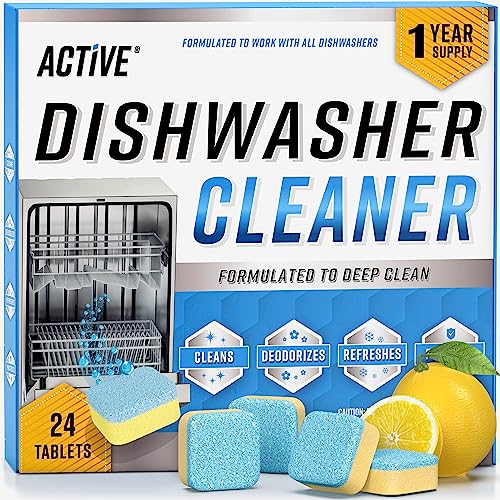
- dishwasher descaler tablets 60 count
- dishwasher cleaner descaler powder 8 oz
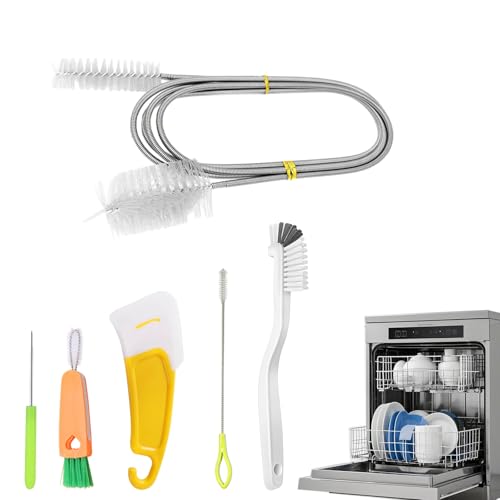
- spray arm cleaning brush for dishwasher nylon

Before You Start
Clear the interior of dishes and racks so you can access the spray arms and filter. Unplug or switch off power to the unit and allow the appliance to cool if recently used. Remove and rinse the filter to prevent debris from recirculating during cleaning. Note that harsh chemicals can damage seals; always follow product directions and use only approved cleaners.
Time estimate: 45–90 minutes for a thorough cleaning; a quick maintenance cycle can take 20–30 minutes. If your dishwasher is extremely clogged or leaking, consider professional service before proceeding.
Step-By-Step: How To Clean Build-Up In Dishwasher
- Remove the racks and pull out the bottom filter assembly to inspect for trapped debris.
- Fill a sink with hot water and a recommended descaler or cleaner as directed on the product label.
- Place the dishwasher descaler tablets 60 count or dishwasher cleaner descaler powder 8 oz inside the tub, away from spray arms, and run a hot wash cycle empty.
- While the cycle runs, use the spray arm cleaning brush for dishwasher nylon to remove visible mineral deposits from the spray arm holes.
- Pause the cycle if your model allows, and manually rinse the spray arm and holes with warm water to help dislodge stubborn scale.
- Once the cycle finishes, remove the rinse aid cup and wipe down the interior walls to remove any loosened residue.
- Reconnect the filter and run a second hot cycle with no dishes to verify spray arm movement and thorough cleaning.
- For persistent buildup around the door gasket and interior corners, use a sponge with a small amount of cleaner to wipe away residue.
Troubleshooting
| Symptom | Likely Cause | Fix | Prevention |
|---|---|---|---|
| Water not spraying well | Spray arms clogged | Clean spray arms with nylon brush; remove debris | Rinse dishes before loading; run periodic cleaner cycles |
| White scaling on dishes | Mineral buildup | Use descaler tablets or powder per label | Frequency-based maintenance cycles |
| Bad odor | Gasket or filter stagnation | Clean filter and gasket; run empty cleaning cycle | Keep interior dry after cycles |
| Cycle stops mid-run | Overheating or clogging | Check for jams in filter and pump area | Regular maintenance schedule |
Common Mistakes
- Using household vinegar for long-term descaling, which can corrode seals
- Omitting an empty cycle after descaler use, leaving residues behind
- Cleaning only the door and forgetting the spray arms and filters
- Overloading the dishwasher, which hinders water flow
Consistent maintenance reduces the likelihood of these issues and keeps cleaning performance high.
Tips For Best Results
- Run an empty hot cycle with a descaler tablet at least every 1–3 months, depending on water hardness.
- Inspect spray arms every few cycles and clean any blockage promptly.
- Use a higher-temperature setting when available for better mineral dissolution and sanitizing effect.
- Keep the drain area clear of food particles by pre-rinsing plates lightly before loading.
- Store a dedicated dishwasher cleaner in the cabinet for quick maintenance mornings or evenings.
Call A Professional
Consider professional help if you notice persistent leaks, unusual noises, failure to complete cycles, or if build-up recurs rapidly despite maintenance. Stop using the appliance if you detect electrical issues, corrosion around seals, or significant water damage. A trained technician can diagnose pump, seal, or electrical problems and perform safe, thorough cleaning or replacements as needed.
FAQ
Can I use vinegar to descale my dishwasher?
Vinegar is not recommended for long-term descaling because it can damage seals and lead to leaks; opt for a product designed for dishwashers.
How often should I clean my dishwasher?
Most households benefit from a maintenance cycle every 1–3 months, depending on water hardness and usage.
What is the best way to prevent build-up?
Regular empty cycles with a descaler or cleaner and routine spray arm checks help prevent mineral and grease buildup.
Should I clean the filter every time?
A quick rinse every few cycles is a good practice; deep cleaning of the filter is advised during maintenance cycles.
My dishes still come out dirty after cleaning. What now?
Check spray arms for clogs, verify water inlet temperature, and consider a professional service if the issue persists.
Is it safe to mix cleaners?
Avoid mixing cleaners; follow product instructions to prevent chemical reactions or fumes.
Buying Guide
When selecting dishwasher cleaners and descalers, consider size, compatibility with your model, and the hardness of your water. A 60-count descaler is convenient for regular upkeep, while an 8 oz cleaner powder provides flexibility for spot cleaning or larger jobs. Look for products that specify mineral scale removal and food-safe residues. In addition to cleaners, investing in a nylon spray arm cleaning brush helps maintain spray efficiency in hard-to-reach holes. For best results, pair a maintenance cleaner with periodic descaler cycles and a routine spray arm inspection.
Key buying factors to compare include:
- Size and packaging: Choose a size that matches maintenance frequency and household dishwasher usage.
- Effectiveness against mineral buildup: Prioritize products with proven descaling and cleaning action for hard water areas.
- Compatibility: Ensure the product is suitable for your dishwasher model and does not void warranties.
- Ease of use: Clear instructions and dissolving formats reduce guesswork during maintenance.
- Noise and placement considerations: While cleaners don’t impact noise, keep accessibility for maintenance in mind when placing storage and keeping the cabinet organized.
Thinking about a routine cleaning plan? A simple approach is to run an empty hot cycle with a descaler tablet every 1–2 months in areas with hard water, supplementing with a powder cleaner as needed. If you rely heavily on the dishwasher day after day, you may prefer a larger supply or a more frequent schedule. Curious about how different products compare? Review product labels for descaling strength, residue safety, and any warranty considerations before buying.
Leave a Reply