How to Clean Painted Cabinets: A Practical Guide for a Fresh Kitchen
Painted kitchen cabinets can look like new with a careful cleaning routine that preserves the finish while removing grease, fingerprints, and grime. This guide covers safe methods, the right products, and practical steps tailored for American homes and common cabinet finishes.
Whether you’re preparing for a refresh or maintaining daily cleanliness, the steps below provide a clear path from quick wipe-downs to deeper cleans that won’t strip color or shine.
Quick Answer
Use a gentle cleaner, warm water, and a soft cloth for routine cleaning. For tougher buildup, apply a degreaser spray for painted cabinets to a cloth and wipe, then rinse and dry. Avoid abrasive tools and harsh solvents that can dull or peel paint.
What You’ll Need
- Warm water
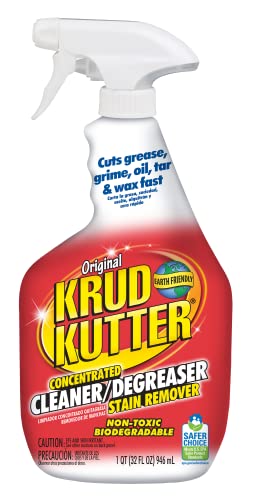
- degreaser spray for painted cabinets
- Microfiber cleaning cloths for cabinets
- Cabinet scrub brush set
- Dry microfiber cloths
- Optional mild dish soap
- Non-abrasive sponge


Before You Start
Prepare the area by removing items from counters and inside doors. Place a protective sheet under cabinets if you expect drips. Test cleaners on a small, inconspicuous area to ensure the finish isn’t affected. Time estimate: 15–45 minutes for a standard cabinet run. Important safety note: use cleaners in a well-ventilated space and avoid solvents that can weaken paint or clear coats. Wear gloves if you have sensitive skin and keep cleaners away from children and pets.
Step-By-Step: How To Clean Painted Cabinets
- Dust the cabinet surfaces with a dry microfiber cloth to remove loose debris.
- Mix a mild cleaning solution with warm water or use a small amount of dish soap on a cloth.
- Wipe the doors and frames in a top-to-bottom, left-to-right motion, using a microfiber cleaning cloths for cabinets.
- For grease or fingerprints, spray degreaser spray for painted cabinets onto a cloth, not directly on the surface, and wipe gently.
- Rinse the cloth with clean water and wipe again to remove any soap or cleaner residue.
- Use a cabinet scrub brush set on stubborn edges or raised panels, applying light pressure to avoid scratching.
- Dry each surface with a clean, dry microfiber cloth to prevent water marks and streaks.
- Repeat on inside cabinet faces, shelves, and the exterior hardware if necessary, ensuring all surfaces are completely dry.
- Inspect for any peeling or damage; address small chips with an appropriate touch-up product if required.
- Return items to their places and wipe down hardware components if needed to keep a cohesive finish.
- Schedule periodic maintenance: a light wipe-down every 1–2 weeks keeps grime under control.
Troubleshooting
| Symptom | Likely Cause | Fix | Prevention |
|---|---|---|---|
| Streaks after cleaning | Residue from soap or cleaner | Rinse with clean water and dry thoroughly | Use minimal cleaner and a lint-free cloth |
| Paint dulling or discoloration | Harsh cleaner or abrasive scrubbing | Switch to gentle cleaning and soft tools | Avoid abrasive pads and strong solvents |
| Water spots on finish | Air-drying moisture | Dry surfaces immediately with a microfiber cloth | Keep surfaces dry after cleaning |
| Peeling or flaking paint | Excess moisture or incompatible cleaner | Limit moisture exposure; consult refinishing guide | Use cleaners designed for painted surfaces |
Common Mistakes
- Using abrasive brushes or pads that scratch the finish
- Soaking wood surfaces or leaving cleaners to sit too long
- Applying cleaners directly to hinges or hardware without protection
- Ignoring hidden areas like corners and inside doors
Tips For Best Results
- Schedule routine cleanings to prevent heavy buildup from forming.
- Test any cleaner on a small area first to confirm compatibility with the paint finish.
- Use a two-step approach: light daily wipes and a deeper clean monthly for best longevity.
- Keep a dedicated cabinet-cleaning kit for quick touch-ups between major cleans.
Call A Professional
Seek professional help if you notice peeling, bubbling, or large areas of discoloration that don’t respond to gentle cleaning. If cabinets are under warranty and show finish issues, contact the manufacturer or a licensed cabinet specialist. Do not attempt heavy sanding or refinishing without guidance, as improper work can worsen damage.
FAQ
Is it safe to use all-purpose cleaners on painted cabinets?
Most mild all-purpose cleaners are safe, but avoid harsh solvents and acidic cleaners that can degrade paint over time.
Can I use vinegar to clean painted cabinets?
In small amounts diluted with water, vinegar can be safe for certain finishes, but test first and avoid strong concentrations on delicate paints.
How often should I deep-clean painted cabinets?
Typically every 1–3 months, depending on kitchen use and grease buildup.
What should I do about stubborn grease on cabinet doors?
Apply a small amount of degreaser to a microfiber cloth, wipe, rinse, and dry. For persistent grime, repeat or use a gentler scrub brush.
Are microfiber cloths better than cotton for cabinet cleaning?
Yes, microfiber tends to trap dust and grease more effectively and leaves fewer streaks.
Should I remove cabinet doors for cleaning?
Yes, removing doors can facilitate thorough cleaning of all surfaces; reattach carefully following manufacturer instructions.
Do painted cabinets require a protective coating after cleaning?
Only if the finish indicates it; most daily cleaning does not require re-sealing, but consult the paint manufacturer if in doubt.
Buying Guide
When choosing products and tools for cleaning painted cabinets, consider factors such as size of the cabinet area, noise level of cleaning tools, energy efficiency of powered devices, control granularity, and placement within the kitchen. A compact, low-noise cleaning kit works well for apartment kitchens, while larger homes may benefit from slightly more robust gear. Look for pH-neutral or paint-safe formulations to protect finishes and consider microfiber cloths for efficient, streak-free results. For best outcomes, match tools to the finish type—gloss, satin, or matte—and follow manufacturer recommendations for any cleaners used alongside specific paint systems. This approach helps maintain color, sheen, and durability over time while keeping cabinets looking fresh. If unsure, start with the most gentle routine and gradually escalate only as needed.
Leave a Reply