How to Clean Air Stones
Air stones are essential for delivering consistent bubbles and improving water circulation in aquariums. Regular cleaning removes built-up algae, film, and mineral deposits that can hinder airflow and reduce oxygenation. This guide provides practical steps, safe methods, and trusted tools to keep air stones performing at their best.
Following best practices helps extend the life of air stones and maintains a healthy aquarium environment for fish and beneficial bacteria alike. The process is simple and quick, fitting easily into routine maintenance routines.
Quick Answer
Goal: restore airflow and prevent clogging by removing debris from the stone’s surface. Typical method: soak, scrub, and rinse with clean water; avoid harsh cleaners. Dry thoroughly before reassembly.
What You’ll Need
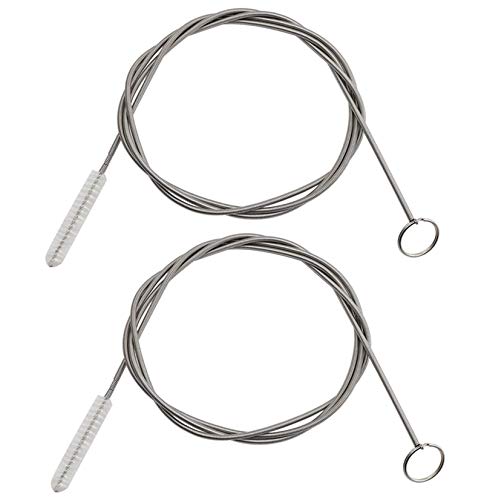
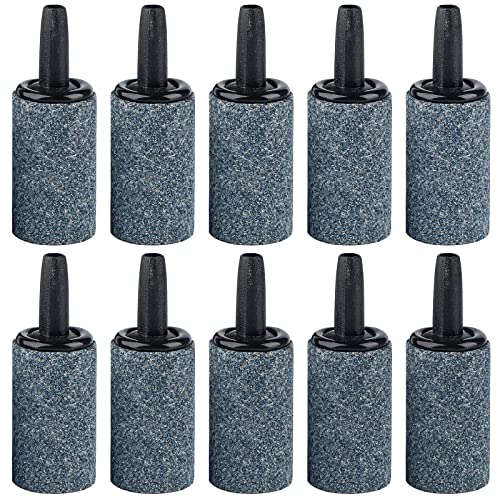
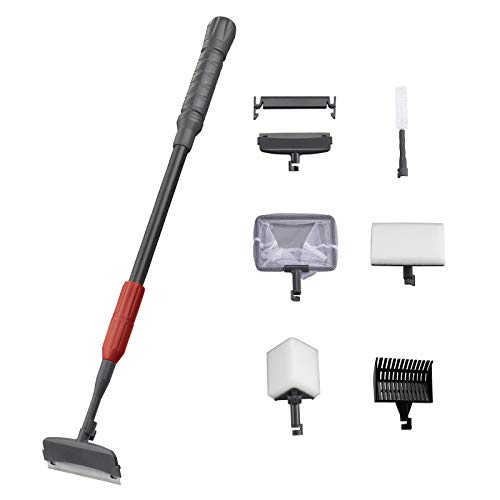
- aquarium air stone cleaning brush
- air stone cleaning sponge
- aquarium air stone cleaning kit with brush
Before You Start
Turn off all equipment and unplug the air pump before handling air stones. Remove stones from the tank or lift them gently to prevent stress to the fish. Use a dedicated container for soaking to avoid cross-contamination with simple cleaning water. Time estimate: 10–20 minutes per cleaning session. Avoid harsh chemicals as residues can harm aquatic life and disrupt water chemistry.
Step-By-Step: How To Clean Air Stones
- Carefully remove the air stones from the tubing and tank setup.
- Rinse under lukewarm tap water to wash away loose debris.
- Prepare a shallow soaking bath with clean water. For mineral build-up, a short soak can help loosen deposits.
- Use the aquarium air stone cleaning brush to scrub the stone’s surface, focusing on any visible buildup.
- For stubborn deposits, gently rotate the stone as you scrub to avoid fracturing the material.
- Rinse thoroughly under running water until no particles remain.
- Inspect the stone for cracks or damaged pores; replace if necessary to maintain airflow.
- Reinstall the air stone, reconnect tubing, and slowly reintroduce power to the pump.
- Observe bubbles for consistent output and ensure there are no leaks at the fittings.
Troubleshooting
| Symptom | Likely Cause | Fix | Prevention |
|---|---|---|---|
| Reduced bubble output | Clogged pores or mineral buildup | Deep clean with brush; replace if needed | Regular maintenance every 2–4 weeks |
| Uneven bubbles | Air stone sinking or misaligned | reposition and check seal | Secure fittings and keep stones upright |
| Cracked stone | physical damage | Replace air stone | Handle gently during cleaning |
| Foul odor from water | organic buildup in stone or tubing | Thorough rinse; replace if persistent | Regular replacement schedule |
Common Mistakes
- Using hot water or strong cleaners that can degrade the stone material
- Skipping the rinse step, leaving residues behind
- Over-soaking or aggressive scrubbing causing damage
- Not inspecting for cracks after cleaning
By avoiding these missteps, air stones will last longer and maintain optimal bubble production.
Tips For Best Results
- Clean on a regular schedule aligned with your tank maintenance routine.
- Use the dedicated tools designed for air stone care to avoid scratching or tearing the stone.
- Rinse thoroughly after cleaning to remove any cleaning residue.
- Consider replacing stones every 6–12 months depending on usage and wear.
Call A Professional
Seek expert help if air pump failure, persistent leaks at fittings, or ongoing poor aeration occur after cleaning. Recurrent issues may indicate broader pump or tubing problems that require assessment by a professional aquarist or a repair technician.
FAQ
How often should I clean air stones?
Most hobbyists clean every 2–4 weeks or when bubbles decline noticeably.
Can I soak air stones in vinegar?
Short soaks in a diluted, food-safe solution can help remove mineral buildup, but rinse thoroughly before returning to the tank.
Do air stones need to be replaced regularly?
Yes, depending on wear; check for cracks and reduced porosity and replace as needed.
Is it safe to use soap on air stones?
No, detergents can leave residues harmful to aquatic life; stick to plain water and dedicated brushes.
Buying Guide
Choosing the right air stones involves several considerations to fit tank size, fish load, and filtration needs. Size matters: larger tanks often require larger or multiple air stones to distribute bubbles evenly. Noise level is typically tied to the air pump and tubing quality, so pair a quiet pump with compatible stones for a calmer tank experience. Energy efficiency is linked to the pump rather than the stone itself, but efficient stones maintain consistent airflow with lower power draw by avoiding clogs. Controls and placement influence aeration patterns; place stones in central or strategically spaced positions for uniform bubble distribution. Compare materials for durability and check compatibility with existing tubing sizes. For a balanced setup, choose a cleaning kit with a brush and sponge tailored for aquarium stones and a spare stone for quick swaps during maintenance.
Leave a Reply