How to Clean Oven Burners for a Safe, Efficient Gas Range
Keeping oven burners clean helps distribute heat evenly and prevents flare-ups. This guide outlines practical, safe steps for American households to refresh gas stove burners, including caps and transfer grates. With the right tools and a steady routine, you can restore performance without special equipment.
Quick Answer
Remove burner grates and caps, soak stubborn parts in warm, soapy water, scrub with a gas stove burner cleaning brush stainless steel bristle scrubber, rinse, and dry completely before reassembling. For stubborn residue, use an oven burner cap cleaning brush for gas range or a gas range top burner scraper and scrubber set to lift built-up grime. Reconnect power only after everything is dry.
What You’ll Need
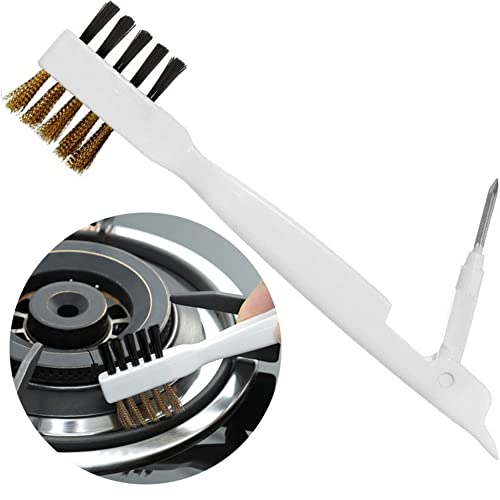
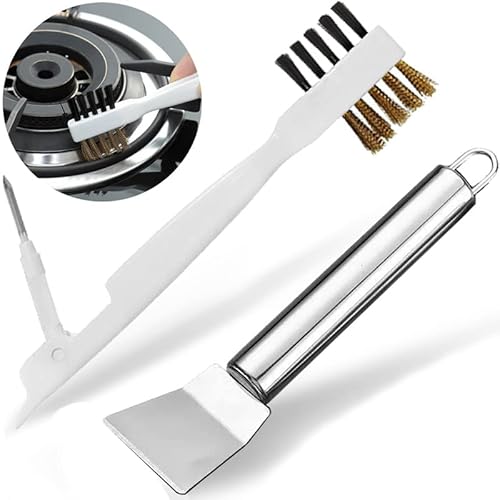
- Gas stove burner cleaning brush stainless steel bristle scrubber
- Oven burner cap cleaning brush for gas range
- Gas range top burner scraper and scrubber set
- Warm dish soap
- Soft cloths or microfiber towels
- Old toothbrush or small detailing brush
- Gloves (optional)
- Warm water

Before You Start
Safety first: ensure the stove is completely cool and not connected to any power source. If you have a sealed burner, avoid disassembling parts you’re unsure about. Work in a well-ventilated area and use gloves if desired. Time estimate: 30–60 minutes for a full clean of all burners and caps.
Important cautions: never use abrasive household cleaners on brass or aluminum burner components, and avoid soaking electrical components. Make sure all parts are dry before reassembly to prevent gas leaks or ignition problems.
Step-By-Step: How To Clean Oven Burners
- Turn off the gas supply and unplug the range if possible. Remove the grate and lift off the burner cap to expose the burner head.
- Brush loose debris from the burner head using the gas stove burner cleaning brush stainless steel bristle scrubber. Do not dislodge internal vents; work gently around the ports.
- Soak the burner cap and grates in warm, soapy water for 10–15 minutes to loosen baked-on grease.
- Use the oven burner cap cleaning brush for gas range to scrub the underside and edges of the cap. Rinse with warm water and dry with a cloth.
- For stuck-on residue, use the gas range top burner scraper and scrubber set. Apply light pressure and scrub in small circular motions to avoid scratching.
- Wipe the burner head and surrounding area with a damp cloth. Use an old toothbrush to reach small crevices and ports for thorough cleaning.
- Inspect for corrosion or damaged components. If a part looks compromised, replace it with a compatible burner cap or grate before reassembling.
- Dry all components completely before reassembly. Refit the burner cap, grates, and any rings in their original positions. Reconnect the gas and power, then test with a low flame to ensure even ignition.
- Run a quick heat cycle on each burner to confirm steady flame without sputtering. If a burner continues to sputter, repeat cleaning or inspect gas ports for obstructions.
- Document any frequent clogs or misfires. Consider routine maintenance every 1–2 months depending on usage and spill frequency.
Troubleshooting
| Symptom | Likely Cause | Fix | Prevention |
|---|---|---|---|
| Uneven flame or yellow tips | Dirty burner ports | Clean ports with a small brush or scraper | Wipe spills promptly; use protective covers |
| Burner won’t ignite | Clogged ports or misaligned cap | Realign cap and clean ports | Regular cleaning after heavy spills |
| Gas smell after cleaning | Loose connections or improper reassembly | Double-check connections and caps, reassemble correctly | Follow manufacturer guidance for reassembly |
| Sputtering or flickering flame | Residue buildup | Thorough cleaning of burner head and caps | Clean monthly in high-use kitchens |
Common Mistakes
- Using abrasive cleaners on delicate burner finishes
- Forgetting to dry parts completely before reassembly
- Removing parts beyond recommended components
- Ignoring regular maintenance and buildup signs
Sticking to gentle scrubbing tools and avoiding harsh chemicals helps extend burner life and maintain even heat output.
Tips For Best Results
- Soak caps and grates regularly to reduce scrubbing time.
- Keep a routine cleaning schedule based on usage and spill frequency.
- Label parts during disassembly to avoid misplacement during reassembly.
- Use the right tool for the job: the gas stove burner cleaning brush stainless steel bristle scrubber for heavy grime and the oven burner cap cleaning brush for precise cap cleaning.
Call A Professional
Stop and call a professional if you notice gas odors, flame instability after cleaning, or if any burner components appear damaged or corroded. Do not attempt to bypass safety features or perform complex disassembly beyond your comfort level.
FAQ
How often should I clean oven burners?
Frequency depends on usage and spills, but a light clean monthly and a thorough scrub every 1–3 months is common for many households.
Can I put burner caps in the dishwasher?
Most caps are dishwasher-safe, but check the manufacturer’s guidelines. Hand washing with a soft brush is safer for delicate finishes.
Why is my burner flame uneven after cleaning?
Ports may still be clogged or the cap may be misaligned. Recheck and clean the ports and reseat the cap correctly.
What should I do if the flame is yellow?
Yellow flames indicate incomplete combustion and potential soiling. Clean the ports and ensure proper gas supply and pressure, or consult a technician if it persists.
Is it safe to use chemical cleaners on gas range components?
Use gentle cleaners and avoid harsh solvents directly on burners. Rinse thoroughly and dry completely before use.
Do I need to remove the entire burner assembly for cleaning?
Most cleaning can be done by removing the caps, grates, and accessible burner heads. Do not disassemble sealed or complex parts unless instructed by the manufacturer.
Buying Guide
When choosing accessories to help clean oven burners, consider size, compatibility, and material durability. Look for a gas stove burner cleaning brush stainless steel bristle scrubber that can handle heavy grime without scratching. An oven burner cap cleaning brush for gas range should reach tight corners, and a gas range top burner scraper and scrubber set should include multiple scraping edges and soft bristle options.
Key buying factors include:
- Size and fit: Ensure tools fit your burner caps, grates, and heads. Adjustable or versatile tools are beneficial for different models.
- Material quality: Stainless steel bristles resist wear and are easier to sanitize, but avoid overly harsh bristles on delicate finishes.
- Ease of cleaning: Tools with built-in scraping edges save time and reduce manual effort.
- Safety features: Non-slip handles and heat-resistant materials improve grip and safety during scrubbing.
- Storage and organization: A compact set or wall-mounted holder helps keep tools accessible.
- Compatibility: Verify that the included brushes and scrapers are designed for gas range burners, caps, and grates.
- Maintenance: Look for dishwasher-safe components when possible for easier cleaning.
With the right cleaning tools and a consistent routine, oven burners can maintain peak performance and safety. Would you like a quick checklist tailored to your specific stove model?
Leave a Reply