How to Clean Clothes Without a Washing Machine
Many Americans rely on hand washing to refresh delicate fabrics, conserve energy, or operate where a machine isn’t available. This guide covers practical, step-by-step methods, essential tools, and common mistakes to avoid when cleaning clothes by hand at home.
Quick Answer
For quick, effective hand washing, agitate garments in a wash tub or basin, use a mild detergent, wring gently, and air-dry. When time or space is limited, a portable manual washing tub with built-in agitator can simplify the process, while a washboard or wringer can boost efficiency for bulk loads.
What You’ll Need
The following tools are commonly used for hand washing and are listed here to help you assemble a practical kit.
- washboard laundry board for hand washing clothes
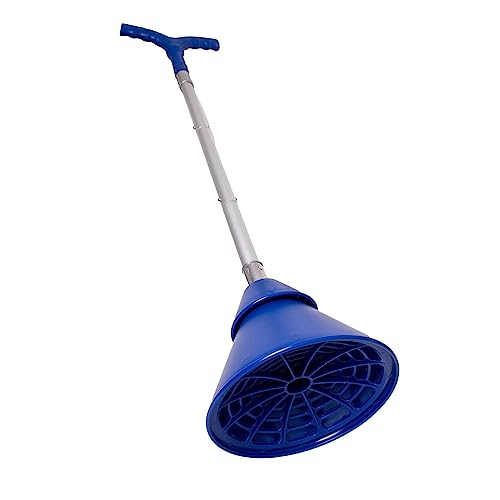
- portable manual washing tub with built-in agitator
- hand crank clothes wringer for manual laundry


Before You Start
Prepare a dedicated wash space, such as a utility sink or tub, and lay out clean towels for drying. Use lukewarm water for most fabrics and a mild detergent designed for hand washing. Protect delicate items by testing colorfastness first and avoid twisting or wringing vigorously to prevent fabric damage. Plan for a total time of about 20–60 minutes depending on load size.
Step-By-Step: How To Clean Clothes Without A Washing Machine
- Sort laundry by fabric type and color to prevent damage and color transfer.
- Fill a tub or basin with lukewarm water and add a small amount of mild detergent.
- Submerge garments and gently swish to loosen dirt; let soak 5–10 minutes for heavily soiled items.
- Use a washboard laundry board for hand washing clothes or your hands to lightly scrub areas with stubborn stains.
- For bulky fabrics, consider using a portable manual washing tub with built-in agitator to achieve even agitation.
- Rinse thoroughly with clean water, until no soap remains, supporting the fabric to avoid stretching.
- Optional: If using a wringer, feed garments through the hand crank clothes wringer for manual laundry to remove excess water.
- Lay flat or hang garments to air dry in a shaded, well-ventilated area.
- Reshape items while damp, then finish drying in a suitable environment to prevent wrinkles.
- For towels and heavy fabrics, repeat washing and wringing steps to ensure freshness.
- Store clean, dry items in a breathable space to avoid musty odors.
- Clean and dry your tools after use to prolong their life and prevent mold growth.
Troubleshooting
| Symptom | Likely Cause | Fix | Prevention |
|---|---|---|---|
| Suds remain after rinsing | Excess detergent or long soak | Rinse with clean water until clear | Use a mild detergent and shorter soak |
| Color bleeding on fabrics | Unstable dyes | Wash darks separately; test colorfastness | Sort by color and wash cold |
| Stains persist | Oil or stubborn soil | Pre-treat with a stain remover or gentle paste | Treat promptly |
| Fabric feels stiff after air drying | Detergent residue | Extra rinse cycle or rinse with less soap | Avoid oversoaping |
| Wrinkled items after drying | Improper drying method | Reshape while damp; use lower heat when ironing | Shape and smooth during drying |
Common Mistakes
- Using hot water on delicate fabrics, which can shrink or fade
- Overloading the washing tub, reducing agitation and cleaning efficiency
- Rubbing stains aggressively, causing pilling or fabric damage
- Skipping a thorough rinse, leaving soap residues that irritate skin
- Wringing too hard, which can stretch or tear fibers
Tips For Best Results
- Use the right water temperature for fabric type—cool for most delicates, warm for cottons
- Pre-treat tough stains with a mild paste or stain remover before washing
- Maximize efficiency with a dedicated washboard for smaller loads and a wringer for removing excess water
- Rinse in clean water and check for soap before drying to avoid residue buildup
- Air dry on a rack or line to prevent heat damage and maintain garment shape
Call A Professional
Consider professional help if you encounter fabric-specific issues such as persistent stains, delicate items that require specialized care, or if you suspect dye transfer that persists after home treatment. If clothing holds sentimental value or is valuable, a professional cleaner can assess fabric integrity and offer safe, fabric-appropriate methods.
FAQ
Can I use a washing machine to assist with hand washing?
Yes, a machine can be used for rinsing or spinning garments after hand washing, but this guide focuses on methods that avoid machine washing.
Is hand washing better for delicate fabrics?
Hand washing is often gentler and allows control over agitation and temperature, which can protect fabrics like silk and wool.
How should I dry hand-washed clothes?
Air drying is preferred; lay flat for sweaters or hang to dry depending on fabric and care labels.
What detergents are best for hand washing?
Use mild detergents labeled for hand washing or delicates to minimize fiber damage and color fading.
Buying Guide
When evaluating gear for washing clothes by hand, consider size, weight, and portability. A compact wash tub with built-in agitator can streamline mid-size loads, while a sturdy washboard adds efficiency for quick scrubs. A hand crank wringer helps remove excess water without twisting or stretching fabrics. Noise level, durability, and ease of cleaning are practical considerations for frequent users. Place the setup near a sink or drainage area to simplify rinsing and disposal.
Key Buying Factors
- Size and capacity: Match to typical load sizes to avoid overcrowding
- Durability: Look for rust-resistant materials and solid construction
- Ease of use: Ergonomic handles and intuitive design reduce effort
- Detergent compatibility: Select items that work with mild, hand-wash formulas
- Placement: Ensure a convenient, stable surface near water access
Other Considerations
Assess whether you want a portable option for travel or a permanent setup for a laundry corner. If space is tight, prioritize a compact tub with an efficient agitator and a reliable wringer. Consider maintenance needs like drying area and tool cleaning to keep the system ready for future use.
Leave a Reply