How to Get Rid of Vines: Safe and Effective Methods
Vines can add beauty to a landscape, but they can also invade structures, damage surfaces, or become hard to manage. This guide outlines practical, American-friendly steps to remove unwanted vines while protecting plants, pets, and property. Readers will find a clear plan from assessment to cleanup, with tool recommendations that align with common home gardens.
Quick Answer
Start by identifying the vine type and its growth pattern, then prune back aggressively with heavy-duty loppers for vine pruning and removal, reach high sections with a pole saw long-reach pruning for climbing vines, and treat stubborn remnants with a targeted herbicide using a garden sprayer for applying vine killer glyphosate.
What You’ll Need
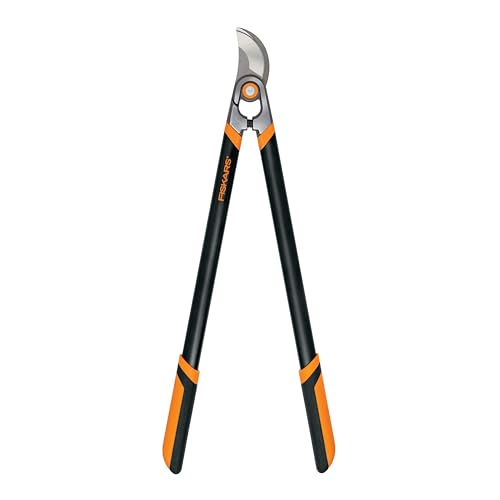
- Heavy-duty loppers for vine pruning and removal
- Pole saw long-reach pruning for climbing vines
- Garden sprayer for applying vine killer herbicide glyphosate
- Protective gloves, safety glasses, and long sleeves
- Clear plastic bags or a yard waste bin for debris
- Mulch or ground cover to prevent regrowth
<li


Before You Start
Assess the area to determine vine type, root depth, and potential hazards near structures or electrical lines. Wear protective gear to minimize exposure to sap, thorns, or herbicides. Mark nearby plants you want to preserve and plan a stepwise approach to reduce stress on the landscape. Time to complete varies with vine size, but a full removal could take several hours or a weekend session. Never spray herbicide on windy days or near water sources.
Step-By-Step: How To Get Rid Of Vines
- Identify the vine species and root structure to choose an appropriate removal method.
- Cut back the vine canopy at the outermost reaches with heavy-duty loppers for vine pruning and removal.
- Work from the top down, using a pole saw long-reach pruning for climbing vines to access high growth safely.
- Detach vines from structures or fences by gently pulling while supporting the base to avoid damaging surfaces.
- Remove surface runners and daily regrowth, pruning new shoots as they appear to reduce resilience.
- Apply herbicide to the cut stems or stumps if necessary, using a garden sprayer for applying vine killer glyphosate and following label directions.
- Dispose of debris promptly in bags or a yard waste bin to prevent re-rooting.
- Inspect the area weekly for new sprouts and repeat treatment as needed until growth ceases.
- Consider reinstalling mulch or ground cover to suppress future weed growth and vines.
- After removal, treat any affected surfaces with a sealant or paint if standard finishes show damage.
- Maintain vigilance for regrowth during the growing season and plan annual checks.
Troubleshooting
| Symptom | Likely Cause | Fix | Prevention |
|---|---|---|---|
| Vines resprout from roots | Underground runners or matted roots | Reapply selective herbicide to regrowth | Disrupt root system during removal; mulch to suppress |
| Surface damage after removal | Overzealous pruning or tool slip | Work slowly; use protective gear and proper tools | Pre-cut small sections to maintain control |
| Herbicide not effective | Incorrect application or rain soon after | Follow label timing and reapply after 24–48 hours | Avoid spraying before forecasted rain |
| Vines climb new structures elsewhere | Adjacent support exists | Completely remove nearby vines and seal entry points | Monitor surroundings after removal |
Common Mistakes
- Underestimating root depth or vine vigor
- Using too much herbicide near desirable plants
- Forgetting to remove runners that can re-root
- Delaying cleanup, allowing debris to regrow
Avoid these missteps to improve long-term success and minimize environmental impact.
Tips For Best Results
- Work in cool, dry conditions to reduce plant stress and personal risk.
- Combine mechanical removal with targeted herbicide where appropriate.
- Label and store tools safely after use to preserve tool life.
- Use mulch to suppress new vine sprouts and improve landscape aesthetics.
Call A Professional
Consider professional help if vines have aggressively colonized structures, reach electrical lines, or if you encounter hazardous materials like large stumps or potentially infested plants. Seek immediate assistance if you notice signs of structural damage or persistent, stubborn regrowth after multiple removal attempts.
FAQ
What is the first step to remove vines?
Identify vine type and cut back the canopy with appropriate tools to gain access and reduce weight on the structure.
Can I remove vines without herbicide?
Yes, using mechanical removal and regular cutting can be effective, especially for non-invasive species.
How do I prevent vines from returning?
Complete removal of runners and routine monitoring plus mulch or ground cover helps prevent re-growth.
Is it safe to use glyphosate near plants?
Apply carefully following label instructions and avoid drift onto desirable species.
Buying Guide
When choosing tools and products to remove vines, consider size of the area, vine type, and proximity to structures. For long reach and safety, a pole saw long-reach pruning for climbing vines helps access high growth. For heavy pruning tasks, heavy-duty loppers for vine pruning and removal offer leverage and durability. If chemical control is desired, a controlled application with a garden sprayer for applying vine killer glyphosate ensures targeted treatment. Look for tools with ergonomic grips, corrosion-resistant blades, and clear safety instructions. Finally, assess noise, maintenance needs, and storage requirements to fit your yard and schedule. Are you ready to choose the right combination for a vine-free landscape? A well-planned kit reduces effort and improves outcomes.
Leave a Reply