How to Clean Black Cloth Car Seats Safely and Effectively
Black cloth car seats can hide dirt, spills, and wear, but with the right approach you can restore their look without damaging the fabric. This guide provides practical, American-focused steps and uses common tools like portable upholstery steam cleaners, fabric stain remover kits, and brush sets to lift soils and refresh fibers.
Quick Answer
For best results, start by vacuuming thoroughly, pretreat stains with a fabric stain remover kit, and use a portable upholstery steam cleaner with a soft brush to lift embedded dirt. Finish with a microfiber scrubber to lift remaining residues and a clean, damp wipe-down. Allow seats to air-dry completely before use.
What You’ll Need
- portable upholstery steam cleaner for car seats fabric
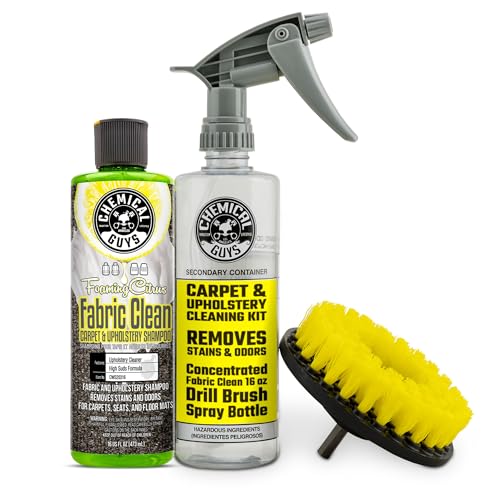
- car interior fabric stain remover kit with upholstery brush set
- car seat cleaning brush and microfiber scrubber set


Before You Start
Prepare the car in a well-ventilated area and remove loose debris with a vacuum. Test any cleaner on a hidden area or fabric swatch first to avoid color fading. Work in small sections to prevent over-wetting and moisture buildup inside door panels or seat seams. Allow ample time for air-drying; damp seats can trap odors and promote mold if not fully dry. Do not over-wet cloth seats, as excessive moisture can seep into padding and lead to odor or mildew.
Step-By-Step: How To Clean Black Cloth Car Seats
- Vacuum the seats thoroughly, including seams and crevices, to remove loose dirt and debris.
- Pretreat any stains with a fabric stain remover kit. Apply to the stain, wait the recommended time, then blot with a clean microfiber cloth.
- Fill the portable upholstery steam cleaner with distilled water and a compatible cleaner if recommended by the manufacturer.
- Gently scrub the fabric with the car seat cleaning brush and microfiber scrubber set in small circular motions, focusing on stained or heavily soiled areas.
- Pass the steam cleaner over the treated areas, moving slowly to lift dirt from fibers. Avoid saturating the seat; use short bursts of steam and steady back-and-forth motions.
- Wipe away any remaining moisture with a clean microfiber cloth, pressing to absorb as much liquid as possible.
- Revisit any stubborn spots with a light brush and a second pass of steam if needed, then blot again until the surface feels nearly dry.
- Let the seats air-dry completely, ideally with doors or windows open or using a fan to speed up drying. Avoid sitting on the seats until fully dry to prevent new dirt from sticking.
Troubleshooting
| Symptom | Likely Cause | Fix | Prevention |
|---|---|---|---|
| Streaks or uneven color after cleaning | Over-wetting or inconsistent agitation | Moderate moisture, re-scrub with clean cloth | Test cleaner first; work in small sections |
| Musty odor after cleaning | Moisture trapped in padding | Increase drying time; use a fan or dehumidifier | Ensure thorough drying before use |
| Color fading or dye bleed | Strong cleaners or agitation | Switch to milder cleaner; shorter dwell time | Always test on hidden area first |
| Stains reappear after drying | Residual stain not fully removed | Re-treat with stain remover and repeat cleaning cycle | Address stains promptly and use proper techniques |
Common Mistakes
- Using household laundry detergents not designed for upholstery
- Soaking seats with water or cleaner, leading to padding saturation
- Relying on brushes or steamer without a test patch on black fabric
- Skipping drying time and closing the car too soon after cleaning
Tips For Best Results
- Always use distilled water if your cleaner requires it to prevent mineral deposits on fabric.
- Work in shade or indoors to control drying times and avoid sun bleaching on black fabric.
- Choose microfiber cloths that are lint-free to avoid residue entrapment in fibers.
- Maintain the fabric’s color by rotating where you apply cleaners and avoiding harsh, abrasive tools on delicate areas.
- Regular maintenance: vacuum weekly and address spills promptly to minimize deep staining.
Call A Professional
If seats show persistent staining, persistent odor, or if there is significant dye transfer from interior trims, it may be time to consult a professional detailer. Stop using aggressive cleaners if you notice fabric fraying, dye bleed, or color loss. Seek professional assistance when leather components are involved or if the seat cushions feel abnormally compressed or waterlogged after cleaning.
FAQ
Can I clean black cloth car seats with a steam cleaner?
Yes, a portable upholstery steam cleaner can safely clean black cloth seats when used with care and appropriate fabric-safe cleaners. Avoid soaking and always test first.
What should I do about stubborn stains on black fabric?
Pre-treat with a fabric stain remover kit and use a soft brush, repeating the process as needed. Do not rub harshly to avoid fabric damage.
How long does it take for seats to dry after cleaning?
Drying times vary with air flow and humidity, but plan for several hours. Use a fan or open doors to speed up drying.
Is it safe to use household cleaners on black cloth seats?
Only if the product is labeled for upholstery or fabric protection and tested on a hidden area first.
How often should I clean cloth car seats?
Regular upkeep includes vacuuming weekly and deep cleaning every 3–6 months, or sooner after spills.
Buying Guide
When selecting tools for cleaning black cloth car seats, consider size, noise, and ease of use. A compact portable upholstery steam cleaner is ideal for spot cleanups and quick refreshes, while a dedicated fabric stain remover kit helps tackle tough stains. A car seat cleaning brush and microfiber scrubber set improves control and scrubbing precision without damaging delicate fibers. Look for vibration-free operation, easy-fill water tanks, and compatible cleaning solutions. Consider the interior layout of your vehicle and whether you need a longer hose or flexible attachments for hard-to-reach areas. Noise level, power source (corded vs. cordless), and drying time are practical factors that influence how often you’ll use the cleaning toolkit. If you have pets or young children, a fast-drying setup reduces the chance of lingering odors. Finally, assess your storage space and portability needs to ensure the kit fits your vehicle and your cleaning routine.
Leave a Reply