How to Clean a Washing Machine With Vinegar and Baking Soda
Keeping a washing machine clean helps maintain its efficiency, prevent odors, and extend its lifespan. This guide explains a safe, effective method using common household items—vinegar and baking soda—along with practical tools to scrub away residue and grime. It also covers maintenance steps to keep the appliance sparkling between deep cleans.
Quick Answer
Run a hot water cycle with two cups of white vinegar, then run another hot cycle with a half cup of baking soda. Wipe the drum, seals, and dispenser drawers with a microfiber cloth, and scrub tough spots with a dedicated brush. For ongoing upkeep, repeat monthly and keep the door slightly ajar between uses to improve airflow.
What You’ll Need
- White vinegar (5–6% acidity)
- Baking soda
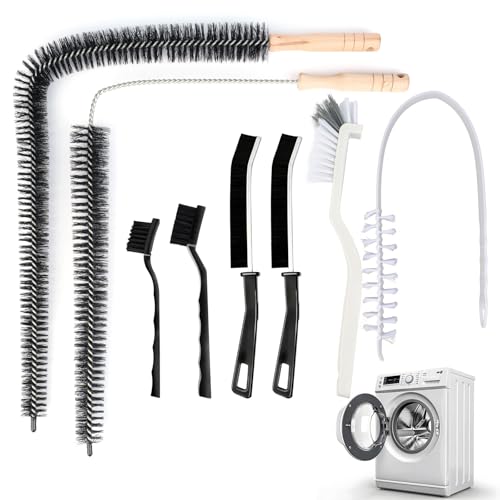
- Washing machine tub cleaning brush
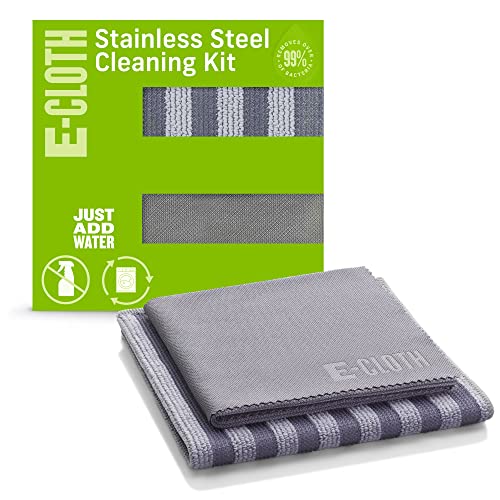
- Appliance cleaning microfiber cloth kit
- Washing machine cleaning brush set

Before You Start
Prepare the space by pulling the machine away from the wall to access hoses and seals. Gather the items listed above. Never mix vinegar with bleach, and avoid using corrosive cleaners on high-end finishes. Plan for about 60–90 minutes of total time, including drying. If the machine is heavily moldy or has standing water, address those issues first with appropriate tools.
Step-By-Step: How To Clean A Washing Machine With Vinegar And Baking Soda
- Unplug the washing machine and move it to access the rear and interior more easily. Remove the detergent dispenser if possible and set aside for cleaning.
- Run a hot water cycle with two cups of white vinegar in the drum or detergent tray. This helps dissolve soap scum and mineral deposits and kills odors.
- Pause halfway through the cycle to let the vinegar soak for 15–20 minutes. This improves contact with buildup around seals and gaskets.
- Resume the cycle and let it complete. Repeat with a hot cycle using baking soda (about 1/2 cup) in the drum to neutralize odors and lift residues.
- While the cycles run, use a tub cleaning brush to scrub the rubber door seal and the inside edges of the drum. Pay attention to crevices where mold can hide.
- Clean the detergent dispenser and any removable parts in warm, soapy water. Rinse thoroughly and dry before reassembling.
- Wipe the exterior surfaces and control panel with a microfiber cloth, using a mild cleaning spray if needed. Dry surfaces to prevent streaks.
- Reinstall all parts and run a short rinse cycle with clean water to remove any loosened residues. Leave the door ajar for a few hours to air out.
- Inspect the drum and seals after the cycles. If you notice persistent odor or mold, repeat the process or consider an enzymatic cleaner for stubborn grime.
- Schedule regular maintenance, such as a monthly cleaning routine, to prevent buildup and keep the machine smelling fresh.
- For front-load machines, wipe the door seal after each use and regularly check the detergent drawer for mold-prone residue.
Troubleshooting
| Symptom | Likely Cause | Fix | Prevention |
|---|---|---|---|
| Persistent odor after cleaning | Soap scum and mold in seals | Repeat vinegar cycle and thorough seal scrub | Keep door open after use; wipe seal dry |
| Residue on clothes after wash | Overuse of detergent or clogged dispenser | Clean dispenser and use the recommended amount of detergent | Run a cleaning cycle monthly |
| Visible mold on gasket | Moisture buildup | Scrub with brush and disinfectant-safe cleaner | Leave door ajar between uses |
| Unusual noise during cycles | Loose items or buildup in drum | Check pockets, inspect drum interior | Remove lint and coins; clean drum periodically |
Common Mistakes
- Using bleach or harsh cleaners with vinegar, which can release harmful fumes
- Skipping the detergent dispenser and seals, leaving residues behind
- Overfilling the drum with baking soda, causing excessive foaming
- Neglecting to air out the machine after cleaning, which invites mold growth
Sticking to the recommended steps helps avoid these issues and keeps the process efficient and safe.
Tips For Best Results
- Use hot water cycles when possible to maximize cleaning efficacy.
- Wipe and dry seals after every cycle to prevent mold buildup.
- Coordinate cleaning with low-energy times to reduce impact on electricity usage.
- If your washer has a dual-load setting, consider cleaning both the tub and dispenser areas for uniform freshness.
- For hard water areas, consider an occasional mineral deposit removal using a similar vinegar method to prevent scaling.
Call A Professional
Seek professional help if the machine experiences persistent leaks, mold that returns after cleaning, unusual noises that aren’t resolved by maintenance, or if moving or disassembling parts feels risky. Early intervention can prevent damage to electrical components and electronics.
FAQ
Can I use white vinegar and baking soda together in the same cycle?
It’s best to run them in separate cycles. Vinegar helps dissolve mineral buildup, while baking soda neutralizes odors and aids scrubbing when used in a subsequent cycle.
How long should the cleaning process take?
Plan for about 60–90 minutes, including soaking and drying time.
Is this method safe for all washing machines?
Yes, for standard top- and front-load models. Always consult the owner’s manual for any model-specific cautions regarding cleaning agents.
How often should I clean my washing machine?
Monthly cleaning is a good baseline for most households, with more frequent cleaning in areas with high mineral content or mold exposure.
What if odors persist after cleaning?
Repeat the cleaning steps and consider using an enzymatic cleaner designed for washing machines, following the product instructions.
Buying Guide
When selecting products to support washing machine cleaning, consider factors such as compatibility with your machine type, cleaning power, and ease of use. Here are key considerations:
- Size and compatibility: Ensure tools such as brushes and microfiber kits fit your drum and door seal dimensions. Some brushes are designed specifically for tight gasket areas.
- Materials and durability: Look for sturdy brushes with durable bristles and non-abrasive microfiber cloths to protect finishes.
- Effectiveness: A combination set that includes a tub brush, a sealing-edge brush, and a dispenser brush helps cover all areas.
- Ease of use: Ergonomic handles and comfortable grip reduce fatigue during cleaning sessions.
- <bMaintenance needs: Reusable microfiber cloths and cleanable brushes lower waste and improve cost efficiency.
- <bStorage and organization: A compact kit keeps tools together in a designated cabinet or utility closet.
- <bBranding and reviews: Look for trusted cleaning tool brands with positive customer feedback on appliance care kits.
Consider pairing the cleaning methods with a dedicated microfiber cloth kit and a brush set tailored for washing machines, ensuring you have everything needed for a thorough, safe cleaning routine.
Leave a Reply