How to Get Rid of Dry Elbows Safely at Home
Dry, ashy elbows are a common concern for many Americans, especially in dry climates or during winter months. A consistent, simple routine can restore skin’s smoothness and protect the elbows from further dryness. This guide outlines practical steps, safe tools, and maintenance tips to keep elbows soft and moisturized without harsh treatments.
By following a structured approach, individuals can improve texture and prevent recurrence. The focus is on gentle exfoliation, effective moisturization, and smart daily care that fits into typical American lifestyles.
Quick Answer
Exfoliate regularly with a gentle tool, moisturize daily, and adjust your routine with climate—these three steps yield noticeable improvement for dry elbows in a few weeks.
What You’ll Need
- Pumice stone for elbows exfoliation dry skin
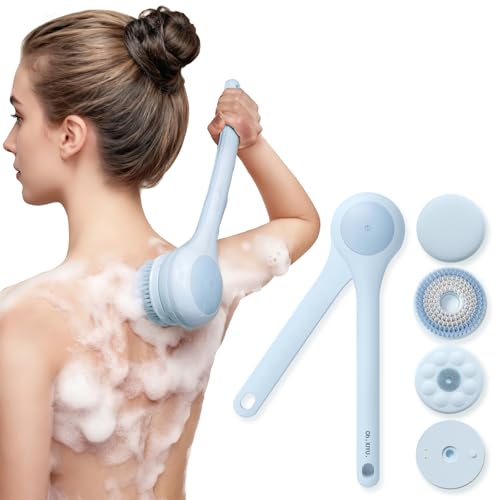
- Electric body scrubber brush for elbows
- Silicone exfoliating bath brush for elbows


Before You Start
Assess the skin on your elbows for open wounds, rashes, or heavy cracking. If any signs of infection or severe irritation are present, pause and consult a clinician. Start with a mild approach and increase intensity gradually.
Surface prep matters: work on clean, dry skin, and avoid aggressive scrubbing that can irritate or abrade healthy skin. Time investment should be reasonable—plan 10–15 minutes per session, 2–4 times weekly, then adjust as your skin responds. Important: if you notice redness, burning, or worsening dryness, reduce exfoliation frequency or seek professional guidance.
Step-By-Step: How To Get Rid Of Dry Elbows
- Wet the elbows with warm water to soften the skin, then apply a gentle cleanser if desired.
- Choose your exfoliation method: a pumice stone for elbows exfoliation dry skin, or a compatible brush option for sensitive skin.
- Gently rub the elbow using circular motions for 30–60 seconds. Do not press hard; let the material do the work.
- Rinse and pat dry. Inspect the skin; if flaking is minimal, proceed to moisturization. If cracking is significant, reduce intensity.
- Apply a rich, fragrance-free moisturizer or an ointment that traps moisture. Look for ingredients like ceramides, glycerin, or shea butter.
- Repeat the process 2–4 times per week, adjusting frequency based on skin response and climate conditions.
- Alternate exfoliation tools if skin becomes irritated; for example, use the silicone exfoliating bath brush for elbows on lighter days.
- Keep hands away from persistent rough patches between sessions to avoid over-exfoliation.
- In dry or cold weather, layer a thicker moisturizer at night and consider wearing light sleeves to protect treated skin.
- Track progress over 4–6 weeks; if improvement plateaus, consult a dermatologist for targeted options.
Troubleshooting
| Symptom | Likely Cause | Fix | Prevention |
|---|---|---|---|
| Redness after exfoliation | Overly aggressive scrubbing | Reduce pressure and duration; switch to a softer tool | Stick to gentle circular motions; limit sessions |
| Persistent rough patches | Insufficient moisture or occlusion | Apply richer moisturizer and consider petroleum-based ointment at night | Consistent daily hydration |
| Dryness returns quickly | Environmental factors | Increase frequency seasonally; use humidifier indoors | Humid ambient conditions, regular exfoliation |
| Itching with rash | Allergic reaction or over-exfoliation | Stop exfoliating temporarily; switch products | Test new products on small area first |
Common Mistakes
- Over-exfoliating or using abrasive tools on sensitive skin
- Skipping moisturizer after exfoliation, leading to rebound dryness
- Using scented products that irritate dry elbows
- Neglecting sunscreen on exposed skin, even on cloudy days, to prevent irritation from UV exposure
Tips For Best Results
- Pair exfoliation with a thick, ceramide-rich moisturizer to restore barrier function.
- Consistency matters more than intensity; schedule regular sessions you can maintain.
- Test new tools on a small area before full use to avoid irritation.
- Keep a simple routine: cleanse, exfoliate, moisturize, and protect.
- Consider climate adjustments—winter dryness may require more occlusive moisturizers.
Call A Professional
Seek professional care if there is persistent cracking, bleeding, severe itching, or signs of infection. Also contact a dermatologist if home care does not improve the appearance after 6–8 weeks, or if you have underlying skin conditions like eczema or psoriasis that affect the elbows.
FAQ
How often should I exfoliate my elbows?
Aim for 2–4 times per week, adjusting based on skin response and environmental conditions.
Can I use a pumice stone if my skin is very dry?
Yes, but go lightly and reduce pressure to prevent irritation; consult a professional if significant cracking occurs.
What moisturizer is best for elbows?
Look for fragrance-free, rich formulas with ceramides, glycerin, and shea butter to restore moisture.
Is it okay to wear long sleeves after treatment?
Yes, wearing light sleeves can protect treated skin and help retain moisture, especially overnight.
Buying Guide
When choosing tools to manage dry elbows, consider size, texture, and how each tool fits into your routine. The right balance between exfoliation and moisturization yields the best results without irritation.
- Size and grip: Choose tools that feel comfortable in your hand for controlled, gentle use.
- Texture: Harder surfaces exfoliate more aggressively; start with milder options if you have sensitive skin.
- Moisture compatibility: Ensure you have a compatible moisturizer to seal in hydration after exfoliation.
- Frequency control: Some tools allow longer sessions with less pressure, which helps with adherence.
- Placement: Elbows receive less natural oil, so consider products and routines that target these areas specifically.
Try combining a pumice stone for controlled exfoliation with a silicone exfoliating bath brush for lighter, regular maintenance. An electric body scrubber brush can speed up routine on busy days, but use it gently to avoid irritation. Are you ready to tailor a routine that fits your climate, skin type, and daily schedule?
Leave a Reply