How to Clean Gas Stove Grates Cast Iron
Maintaining cast iron stove grates on a gas stove helps ensure even heat distribution and a clean cooking surface. This guide provides practical steps, safe techniques, and recommended tools to restore your grates without damaging the material. By following these methods, you can remove built-up grease and burnt-on residue while preserving the grates’ finish and longevity.
With the right approach, cleaning cast iron stove grates becomes a quick routine. The process involves gentle scrubbing, effective scraping, and proper drying to prevent rust. The guidance below uses common household tools and the specifically suggested cleaning accessories to achieve a thorough, damage-free result.
Quick Answer
Soak the grates, scrub with a stiff-bristle brush, use a cast iron grate scraper for stubborn spots, then finish with a non-scratch pad and thorough drying. Reassemble once completely dry to prevent rust.
What You’ll Need
- Cast iron stove grate cleaning brush stiff bristle
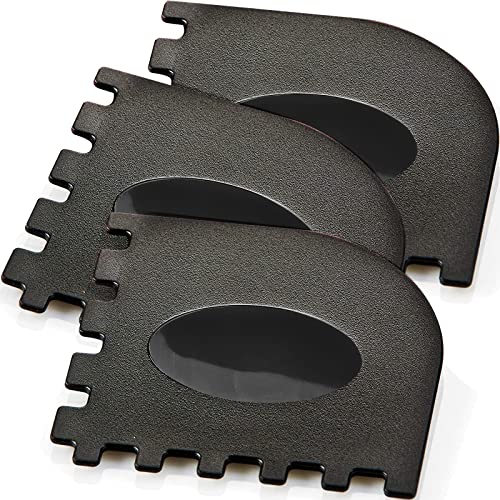
- Gas stove grate scraper tool 4 inch cast iron
- Cast iron grate cleaning pad set scouring sponge non scratch


Before You Start
Safety first: ensure the stove is completely cool before handling grates. Wear gloves to protect hands from sharp edges and hot surfaces. Remove grates from the stove and place them on a stable, heat-resistant surface. Time estimate: 15–30 minutes for initial cleaning, plus a longer dry period if rust is present. Do not use metal brushes on porcelain-coated grates, and avoid harsh chemical cleaners that could corrode cast iron.
Step-By-Step: How To Clean Gas Stove Grates Cast Iron
- Remove all grates and loosen any loose food residue with a soft brush or dry cloth.
- Prepare a warm, soapy bath using mild dish soap and hot water in a sink or bucket.
- Soak the grates for 10–15 minutes to loosen burnt-on grease and grime.
- Scrub each grate with the stiff bristle brush; focus on the interior pores where residue collects.
- For stubborn spots, use the gas stove grate scraper tool 4 inch cast iron to gently lift burnt sections without scratching.
- Rinse thoroughly with clean water and inspect for remaining residue.
- If rust shows, apply a light coat of cooking oil and scrub with the non scratch pad set to restore a smooth surface.
- Dry completely with a towel, then place the grates in a warm oven or near a fan to ensure full drying before reassembly.
- Reinstall grates, ensuring they sit evenly on the burner bases before using the stove again.
- Optional: apply a thin, even layer of oil to prevent future rust during long-term storage.
- Repeat cleaning on a regular maintenance schedule to avoid heavy buildup.
- Store cleaning tools nearby for quick, routine upkeep after cooking sessions.
Troubleshooting
| Symptom | Likely Cause | Fix | Prevention |
|---|---|---|---|
| Rust returns after cleaning | Moisture exposure or incomplete drying | Dry grates completely; store in a dry area | Wipe and dry after each use; apply thin oil coat if storing long-term |
| Stubborn burnt-on grease remains | Residue baked into surface | Re-soak and scrub with stiff bristle brush and scraper | Clean after heavy cooking sessions |
| Scratches appear on surface | Using abrasive tools or harsh cleaners | Switch to non-scratch pads and gentler tools | Avoid metal scrapers on enamel surfaces |
| Uneven seating after cleaning | Warped or bent grates | Inspect and replace if warped | Handle with care to preserve shape |
Common Mistakes
- Using hot water on very hot grates can crack enamel coatings or warp metal
- Over-wetting or leaving grates wet for long periods invites rust
- Using metal brushes on coated surfaces can damage finish
- Skipping thorough drying before reassembly
Sticking to gentle tools and complete drying reduces risk of damage and rust, preserving the grates for longer use.
Tips For Best Results
- Regular light cleanings prevent heavy buildup and make deep cleaning quicker.
- Soaking is often the easiest way to loosen grease; don’t rush the process.
- Store grates with a breathable cover or in a dry cabinet to reduce moisture exposure.
- Keep a dedicated cleaning brush and scraper near the stove for convenient maintenance.
Call A Professional
Seek professional help if you notice severe rust that does not respond to surface cleaning, warped or cracked grates, or if there are gas leak concerns around the burner area. Do not attempt repairs that involve disassembly of gas lines yourself.
FAQ
Can I use steel wool on cast iron stove grates?
Avoid steel wool on cast iron if possible; it can remove protective coating and create micro-scratches. Use a stiff-bristle brush and non-scratch pads instead.
Is it safe to use vinegar or lemon juice on cast iron grates?
Acidic cleaners can help loosen residue, but they should be followed by thorough rinsing and drying to prevent corrosion.
How often should gas stove grates be cleaned?
Clean after heavy cooking sessions or at least weekly to prevent buildup and ensure consistent heat transfer.
What if the grates rust after cleaning?
Light rust can be scraped or scrubbed away; apply a small amount of oil and bake briefly to reseal, or replace if rust is extensive.
Can I put cast iron grates in a dishwasher?
Do not put cast iron in the dishwasher; hand wash with warm soapy water to protect the surface.
Should I oil the grates after cleaning?
A light, even coat of oil can help prevent rust during storage; wipe off excess before reinstalling.
What if there are scorch marks that won’t come off?
Soak longer, use a scraper cautiously, and repeat if necessary. For stubborn marks, a specialized grate cleaner may be helpful.
Buying Guide
When choosing replacement or new cast iron stove grates, consider size, shape, and compatibility with your burner layout. Look for durable seasoning and even heat distribution. Key buying factors include:
- Size and fit for your model: ensure exact cradle dimensions and burner spacing.
- Material quality cast iron offers durability but may require seasoning if not pre-treated.
- Coating and finish enamel-coated options resist rust and are easier to clean.
- Durability select thicker, heavy-duty grates for long-term use.
- Maintenance consider how easy cleaning will be and whether the grate can withstand regular scrubbing.
- Heat distribution uniformity improves cooking results; verify grate design supports stable pots.
- Placement ensure grates do not obstruct gas outlets and align properly with burners.
For best results, match the replacement grate to your stove model, verify compatibility, and follow the manufacturer’s care instructions. Regular cleaning with the right tools makes upkeep straightforward and extends the life of cast iron grates.
Leave a Reply