How to Clean Cutlery: A Practical, Mess-Free Guide
Keeping cutlery spotless not only improves dining aesthetics but also extends the life of flatware. This guide walks American households through efficient cleaning methods using common tools tailored for stainless steel and silverware. From everyday dishwashing to stubborn residue, readers will find actionable steps that fit typical kitchen setups.
Whether you rely on a dishwasher, manual washing, or specialized brushes, the right tools make a difference. The instructions below emphasize safe handling, material-friendly cleaners, and routine maintenance to prevent dulling or spotting on metal surfaces.
Quick Answer
For fast, effective cleaning, use a dishwashing brush set with soft steel or nylon bristles for flatware, complemented by a silicone scrubber for gentle silverware care. Rinse immediately after washing, dry with a clean towel, and store upright to prevent water spots.
What You’ll Need
- Stainless steel cutlery scrub brush with replaceable head or dishwashing brush set for flatware stainless steel bristles
- Silicone dish scrubber for silverware set of 2
- Non-abrasive dish soap
- Warm water
- Soft microfiber towel or drying rack
- Optional: baking soda for stubborn stains
 |
OXO Steel Dish Brush with Replaceable Head | |
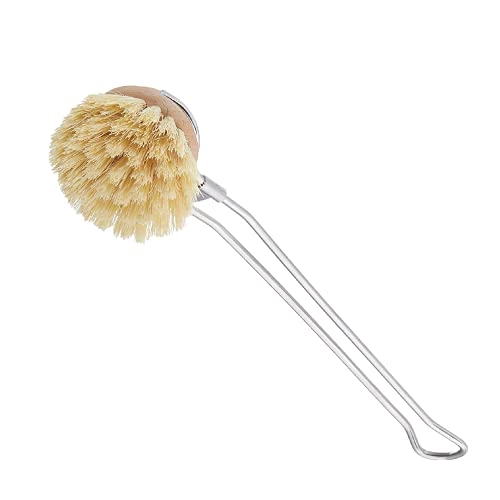 |
Küchenprofi Classic Dishwashing Brush, Stainless Steel, K1109432800 |
Before You Start
Prepare a clean workspace and check care labels on your cutlery. Safety first: wear gloves if you have sensitive skin, and avoid mixing highly caustic cleaners with aluminum items. For dishwasher use, ensure the utensils are dishwasher-safe and avoid overcrowding. Time estimate: 10–20 minutes for a typical load. Consider extended soaking for heavily stained pieces.
Step-By-Step: How To Clean Cutlery
- Rinse the cutlery under warm water to remove loose debris and food particles.
- Fill the sink or a basin with warm, soapy water using a non-abrasive dish soap.
- Use the stainless steel cutlery scrub brush with replaceable head or dishwashing brush set for flatware stainless steel bristles to scrub each piece, focusing on bowls and tines.
- For stubborn residue, apply a small amount of baking soda on the brush and gently scrub in circular motions.
- Rinse each piece thoroughly under clean warm water to remove soap residue.
- Dry immediately with a soft microfiber towel or place on a drying rack to prevent water spots.
- If using the silicone dish scrubber for silverware set of 2, use it for gentle polish on delicate pieces or after the main wash to remove any remaining film.
- Inspect for missed spots; rewash any pieces that show staining or streaks, then repeat drying to prevent rust.
- Store upright or in a cutlery tray to maintain cleanliness and airflow between pieces.
- Periodically sanitize the brush heads according to manufacturer instructions to prevent bacteria buildup.
Troubleshooting
| Symptom | Likely Cause | Fix | Prevention |
|---|---|---|---|
| Water spots on polished surfaces | Hard water minerals | Dry immediately with a microfiber towel | Consider a rinse aid in the dishwasher or squeegee after washing |
| Streaks after drying | Soap residue or towel lint | Rinse thoroughly; use a clean towel | Use lint-free towels and fresh soap |
| Rust spots on cutlery | Exposure to moisture too long or damaged coating | Dry thoroughly; inspect for coating wear | Dry promptly and replace severely pitted pieces |
| Scratches on stainless steel | Abrasive scrubber or improper brushing | Switch to gentler bristles; use circular motions | Rotate brush heads and avoid metal scouring pads |
Common Mistakes
- Using abrasive pads or metallic scouring pads on silverware
- Leaving cutlery soaking too long in water or soap solution
- Skimping on drying, which promotes mineral buildup and rust
- Mixing different cleaners that can react with metals
Tips For Best Results
- Rinse immediately after meals to prevent staining from sauces or juices.
- Use two separate wash basins: one for washing and one for rinsing to reduce soap residue.
- Rotate brush heads regularly to maintain effective cleaning power.
- For silverware with silver plating, avoid prolonged exposure to water and keep storage dry.
- When washing by hand, avoid hot water which can warp or dull delicate pieces.
Call A Professional
Seek professional help if cutlery shows persistent discoloration, deep pitting, or corrosion that does not respond to cleaning. If dishwasher-safe items repeatedly develop spots or rust after cycling, consult the manufacturer’s guidance or a kitchen appliance technician.
FAQ
Can I use a dishwasher to clean all cutlery?
Most stainless steel and dishwasher-safe flatware can be cleaned in a dishwasher, but check labels and avoid overcrowding to ensure thorough cleaning.
What’s the best way to remove rust on silverware?
Gentle scrubbing with a soft brush and a mild cleaner, followed by thorough drying, can help; severe rust may require professional service or replacement.
Are silicone scrubbers safe for all types of cutlery?
Yes, silicone scrubbers are gentle on most metals and effective for delicate pieces without scratching.
How can I prevent water spots after washing?
Dry pieces immediately with a soft cloth or use a dish rack with good air circulation; consider a rinse aid if using a dishwasher.
Should I use baking soda to clean stubborn stains?
Yes, a small amount on a damp brush can help lift spots without harming most metals.
Buying Guide
Choosing the right cleaning setup for cutlery depends on several factors. Size matters if you have a compact kitchen or a large dining set. Noise level is a consideration for open-plan homes, especially when using dishwashers or electric brushes. Energy efficiency reduces ongoing costs, especially with frequent washing. Controls and ease of use matter for busy households, and placement affects how easily you reach brushes and drying areas.
Key factors to compare include:
- <bSize: Compact versus full-size brush sets that fit standard sinks and dishwashers.
- <bNoise level: Quiet operation is preferable in living spaces or mornings.
- <bEnergy efficiency: If using an electric dishwasher or powered scrubber, check energy use and water efficiency.
- <bControls: Manual versus electric brushes; replaceable heads extend life and simplify maintenance.
- <bPlacement: Space for drying racks, brushes, and soap dispensers to keep counters organized.
For most American households, a combination of a stainless steel cutlery scrub brush with replaceable head, a dishwashing brush set for flatware stainless steel bristles, and a silicone dish scrubber for silverware set of 2 covers daily cleaning needs while remaining gentle on metal finishes. Consider your dishwashing routine, storage space, and any hard-water concerns when evaluating options.
Leave a Reply