How to Clean Stoggles: A Practical Guide for Safety Goggles
Stoggles, or safety goggles, protect eyes during a wide range of tasks. Proper cleaning maintains clear visibility, extends lens life, and preserves protective performance. This guide provides a step-by-step method using gentle, compatible products to keep goggles in top shape.
Following the right routine helps prevent hazy lenses, scratches, and irritants. The steps below balance effectiveness with lens safety, so users can clean without compromising the seal or anti‑fog treatments.
Quick Answer
Rinse with lukewarm water, dry with a microfiber lens cloth, and use an alcohol-free lens wipe or anti-fog spray designed for safety goggles for spot cleaning. Avoid harsh chemicals and abrasive towels. When in doubt, test a small area first.
What You’ll Need
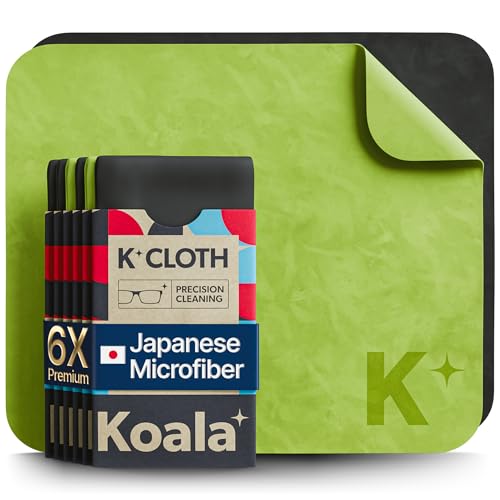
- Microfiber lens cleaning cloth for safety goggles
- Anti-fog spray for safety goggles eyewear
- Goggle lens cleaning wipes alcohol-free
- Optional soft brush or compressed air for loose debris


Before You Start
Prepare a clean workspace and ensure your goggles are detached from any headbands if possible. Wash hands to remove oils that could transfer to the lens. Use lukewarm water and mild, non-scented soap when needed. Avoid hot water, strong solvents, and abrasive materials that can damage coatings or seals. If the goggles have a protective coating or anti‑fog treatment, follow the manufacturer’s care instructions.
Time estimate: 5–10 minutes per cleaning session. For high-use environments, a quick wipe at the end of each shift can keep lenses clear and reduce buildup.
Step-By-Step: How To Clean Stoggles
- Gently remove large particles by tapping or using a soft brush to avoid scratching the lens.
- Rinse the goggles under lukewarm running water to loosen dust and oils.
- Apply a small dab of mild soap if the lens is particularly dirty. Lather softly with fingertips; avoid abrasive scrubbing.
- Rinse thoroughly to remove all soap residues, which can cause streaks or film.
- Pat dry with a microfiber lens cleaning cloth for safety goggles or allow to air-dry on a clean surface. Do not rub aggressively.
- Use anti-fog spray for safety goggles eyewear following the label directions to refresh the fog resistance after cleaning.
- For spot cleaning, use goggle lens cleaning wipes alcohol-free as needed and avoid wiping the interior coating with harsh materials.
- Recheck the gasket and frame for cracks or looseness. If the seal is compromised, replace the goggles.
- Reassemble the goggles and test for fit and comfort before resuming work.
- Store in a clean, dry case away from direct sunlight and solvents to preserve coatings.
Troubleshooting
| Symptom | Likely Cause | Fix | Prevention |
|---|---|---|---|
| Lens fogs up after cleaning | Residual moisture or improper coating care | Re-clean with alcohol-free wipes and reapply anti-fog spray | Dry thoroughly; avoid touching the interior lens |
| Scratches appear after cleaning | Abrasive cloth or rough surface | Switch to microfiber cloth; inspect for debris before wiping | Clean with soft materials only |
| Lens develops static or dust attraction | Static buildup or dusty environment | Wipe with microfiber cloth, use anti‑static spray if approved | Store in a clean case; minimize dry air exposure |
| Coating peels or dulls | Harsh solvents or improper cleaners | Cease use of offending products; consult manufacturer | Follow care instructions and use recommended products |
| Gasket leaks or loose fit | Wear or damage to frame seals | Replace gaskets or goggles | Inspect regularly and avoid over-tightening |
Common Mistakes
- Using household window cleaners that contain ammonia or alcohol on coated lenses
- Rubbing lenses with rough towels or paper towels
- Ignoring manufacturer care guidelines when coatings are present
- Cleaning while the goggles are still warm or hot from sweating
Tips For Best Results
- Always start with a light rinse to remove loose debris before any cleaning solution.
- Opt for dedicated safety-goggle wipes when on the go to minimize downtime.
- Apply anti-fog spray evenly and let it dry completely before use for best performance.
- Store goggles in a soft pouch or case to prevent scratches and dust accumulation.
Call A Professional
Contact a professional if the lenses show deep scratches, crazing in coatings, or if the protective seal around the frame appears compromised. Seek help from a safety equipment supplier or the original manufacturer for replacement parts or guidance on lenses with coatings.
FAQ
Can I use alcohol-based wipes on safety goggles?
Alcohol-based wipes can damage anti‑fog coatings and some lens materials; stick to alcohol-free options unless a manufacturer approves.
How often should I clean my stoggles during a shift?
Clean light, daily, or as needed. In dusty environments, a quick wipe between tasks helps maintain visibility.
Are there specialized cleaners for anti-fog coatings?
Yes, use products specifically labeled for safety goggles and compatible with your coating.
What if the anti-fog coating fades quickly?
Reapply the approved anti-fog spray and inspect the goggles for wear; coatings may degrade over time and require replacement.
Can I clean both the interior and exterior of the lens the same way?
Interior cleaning is typically gentler to avoid removing treatment; follow manufacturer guidance for interior care.
Buying Guide
When choosing goggles or replacement lenses, consider how size, noise level, energy efficiency (for powered or ventilated models), controls, and placement affect everyday use. Evaluate lens coatings for anti-fog and scratch resistance, and check compatibility with the cleaning products listed in this guide.
Key buying factors include:
- Size and fit: Ensure a snug seal without pinching or overheating comfort.
- Lens coating: Anti-fog, anti-scratch, and UV protection options that align with work environments.
- Ventilation: Adequate airflow to prevent fogging without compromising protection.
- Ease of cleaning: Compatibility with alcohol-free wipes and microfiber cloths.
- Durability: Materials that withstand routine cleaning and accidental drops.
- Storage and portability: A case or pouch to keep lenses clean between uses.
Could a specific brand or model fit better with your workflow? Consider trying a few options and pairing them with the recommended care products to maximize longevity and clarity. If glare or fog remains a recurring issue, you may need a model with enhanced anti-fog coatings or improved ventilation. Remember, properly maintained stoggles contribute to safer and more efficient workdays.
Leave a Reply