How to Clean Black Grates on a Gas Stove
Black gas stove grates can accumulate grease, burnt-on food, and mineral residue over time. Cleaning them restores visibility, improves heat distribution, and helps maintain overall kitchen hygiene. This guide provides practical, step-by-step instructions using common kitchen tools and safe cleaners designed for American households.
Quick Answer
To clean black gas stove grates quickly: remove the grates, scrub with warm soapy water and a non-scratch pad, rinse, and air-dry. For stubborn grime, use a degreaser spray and a dedicated grate brush, then reassemble and wipe down the surrounding surface.
A Quick List Of Tools And Supplies
Before you begin, gather the following items. The list focuses on the products you provided, with practical additions for safety and effectiveness.
- Stovetop grate cleaning brush stainless steel bristle 8 inch
- Cast iron stove grate cleaner degreaser spray kit
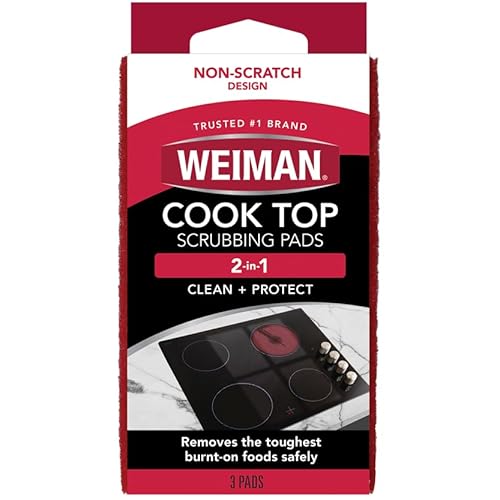
- Gas stove burner grate scrub pad non-scratch 3-pack


Before You Start
Prepare a clean workspace, unplug or ensure the stove is cool, and protect the surrounding countertop. Soften grime by soaking the grates in warm, soapy water for 10–15 minutes. Always handle hot components with heat-resistant gloves and avoid harsh chemical fumes near the kitchen. Plan about 20–40 minutes for a complete clean, depending on grime level.
Step-By-Step: How To Clean Black Grates On A Gas Stove
- Carefully lift the grates from the cooktop and place them on a protective surface.
- Rinse with warm water to loosen loose debris, then apply a light spray of degreaser using the cast iron stove grate cleaner kit.
- Use the stovetop grate cleaning brush stainless steel bristle 8 inch to scrub one grate at a time, focusing on corners and ridges.
- For stubborn spots, employ the gas stove burner grate scrub pad non-scratch 3-pack to avoid scratching the enamel or coating.
- Rinse each grate under warm running water, then repeat scrubbing if needed until grime lifts.
- Dry the grates completely with a clean towel to prevent rust on cast iron surfaces.
- Reassemble the grates on the stove and wipe the surrounding stove surface with a damp cloth to remove any residual cleaner.
- For ongoing maintenance, wipe grates after each use and perform a deeper clean monthly if the stove is used heavily.
- If discoloration remains, consider applying a light oil coat and heating briefly to season the grates, ensuring the surface is fully dry before use.
- Store cleaning tools in a ready-to-grab location for next time and label the degreaser kit for quick identification.
- Dispose of rinse water safely and keep children and pets away from the cleaning area during the process.
Troubleshooting
| Symptom | Likely Cause | Fix | Prevention |
|---|---|---|---|
| Grates still look dull or discolored | Residual grime or mineral deposits | Re-soak and scrub with non-scratch pad; reapply degreaser | Regular cleaning after use; avoid long-term buildup |
| Rust spots on cast iron | Water exposure or moisture during drying | Dry thoroughly and apply a light oil; consider resealing routine | Dry promptly after cleaning; store in a dry area |
| Scratches appear on enamel | Harsh scrubbing or abrasive pads | Switch to non-scratch pads and gentler brushes | Use appropriate tools only |
| Cleaner fumes or irritation | Improper ventilation | Open a window and use the range hood | Read product labels and use in a well-ventilated space |
Common Mistakes
- Using abrasive steel wool or harsh brushes on delicate enamel surfaces.
- Leaving grates soaking too long, which can corrode metal over time.
- Neglecting to dry cast iron fully, inviting rust formation.
- Rushing the rinse step, leaving cleaner residues behind.
Tips For Best Results
- Soak grime first for 10–15 minutes to reduce scrubbing effort.
- Use the non-scratch scrub pad for delicate surfaces and the brush for crevices.
- Apply degreaser in a well-ventilated area and wipe surfaces after cleaning.
- Dry thoroughly before reassembling to prevent rust on cast iron grates.
- Establish a routine: wipe grates after heavy use to minimize buildup.
Call A Professional
Consider professional help if grates show deep pitting, extensive rust that won’t fade with cleaning, or if enamel coating is chipped. Additionally, if the stove is under warranty, follow manufacturer guidance before using aftermarket cleaners that could affect coverage.
FAQ
Can I use bleach to clean gas stove grates?
Bleach is generally not recommended for metal grates; it can damage coatings and leave residue. Use a degreasing cleaner suitable for metal surfaces.
How often should gas stove grates be cleaned?
Clean grates every 1–2 weeks with heavy use and perform a deeper clean monthly or as needed when grime is visible.
Are cast iron grates different to clean?
Yes. Cast iron grates benefit from thorough drying and light oiling after cleaning to prevent rust and maintain seasoning.
What helps prevent discoloration on black grates?
Regular cleaning, immediate attention to spills, and using non-abrasive tools help preserve the finish and color.
Buying Guide
When choosing tools and cleaners for cleaning black grates on a gas stove, consider size, material, and compatibility with your stove finish. Key buying factors include:
- Grate size and fit: Ensure brushes and pads reach into tight corners and fit your specific grate dimensions.
- Material compatibility: Prefer non-scratch pads for enamel and metal bristle brushes for stubborn grime.
- Degreaser effectiveness: Choose a degreaser spray kit designed for cast iron or metal grates to tackle baked-on residue without harsh fumes.
- Ease of use: Look for tools with comfortable handles and quick-dry features to speed up the cleaning cycle.
- Maintenance and storage: A compact kit with a dedicated storage space helps maintain readiness for the next cleaning.
- Safety and ventilation: Select cleaners with clear safety instructions and ensure good kitchen ventilation during use.
For many households, a combination approach works well: a dedicated cleaning brush, a cast iron degreaser spray kit, and non-scratch scrub pads cover most scenarios. If heavy buildup is common, consider stocking several tools to switch between surfaces without causing damage.
Leave a Reply