How to Get Rid of Smelly Basement
A basement with persistent odors can be more than a nuisance; it may indicate excess moisture, mold, or stagnant air. This how-to guide provides practical steps for American homes to reduce dampness, improve air quality, and create a fresh, livable basement environment. The approach combines humidity control, air purification, and odor neutralization that work together for lasting results.
By following a structured plan that uses common tools and proven methods, homeowners can tackle basement smells safely and effectively. The focus is on non-invasive solutions that can be implemented without professional installation, while also outlining when to seek expert help.
Quick Answer
Reduce moisture with a dehumidifier; improve air quality with an odor-focused purifier; and absorb lingering smells with activated charcoal. Combine these elements and optimize ventilation to stop smells at the source.
What You’ll Need
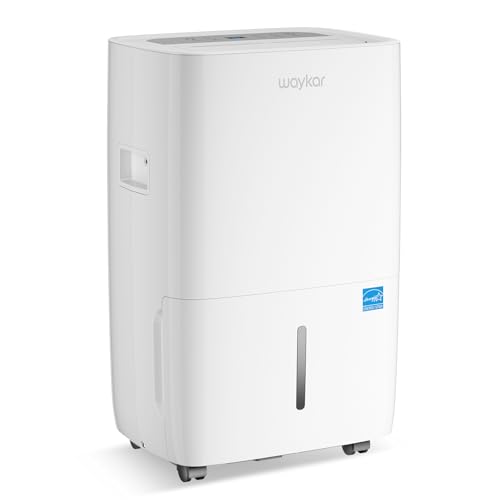
- basement dehumidifier 70 pint
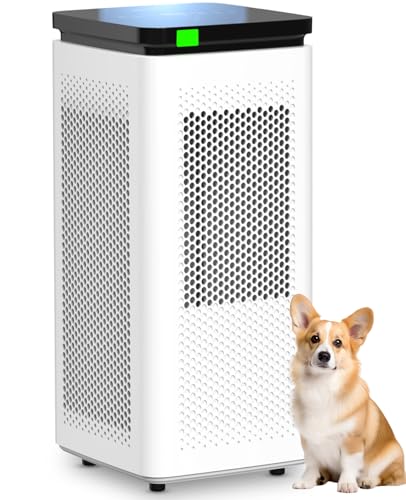
- HEPA air purifier for basement odor removal
- activated charcoal odor absorber for basement
- Optional: fan or portable air exchange device
- Measuring tools to monitor humidity levels
- Cleaning supplies appropriate for mold and mildew prevention
- Sealed storage containers to minimize odor reservoirs

Before You Start
Before beginning, identify moisture sources such as leaks, poor drainage, or groundwater intrusion. Address obvious water entry points first to reduce ongoing dampness. Ensure electrical outlets and cords are dry and that the dehumidifier and purifier have clear, unobstructed airflow paths. A practical time estimate for initial setup is 1–2 days, plus ongoing maintenance for best results.
Critical cautions: never run electrical appliances in standing water, and use GFCI outlets where needed. If there is visible mold growth over large areas, or a strong musty odor persists after dehumidification and purification, consult a professional for mold remediation and air-quality assessment.
Step-By-Step: How To Get Rid Of Smelly Basements
- Identify and seal obvious moisture sources, including leaks and cracks in walls or floors, before running any equipment.
- Place the basement dehumidifier 70 pint in a central area where it can draw in moist air efficiently, ideally off the ground and with a clear air path to the exhaust.
- Run the dehumidifier to achieve a target relative humidity between 30% and 50%; check readings with a hygrometer and adjust as needed.
- Set up the HEPA air purifier for basement odor removal in a location that doesn’t block airflow and can cover the primary odor zones, such as a laundry area or storage corner.
- Incorporate the activated charcoal odor absorber for basement in areas where smells are strongest, replacing or refreshing charcoal according to product guidelines.
- Improve general air exchange by using a fan or a dedicated air-exchange device to bring in fresh air from living spaces or outside when weather allows.
- Regularly clean and dry surfaces to remove residual mold or mildew; use cleaners appropriate for basement materials and safety data sheets for potential irritants.
- Monitor humidity and odor levels weekly; document improvements and adjust the placement of devices if certain areas remain stagnant.
- Schedule a seasonal check to ensure seals remain intact and filters are replaced on schedule for both the dehumidifier and purifier.
- Maintain a cleaner environment by minimizing organic odor reservoirs, such as old clothes, damp textiles, and damp cardboard.
- Reassess the setup after 2–4 weeks; if odors persist, consider higher-capacity equipment or professional evaluation for hidden moisture or microbial growth.
Troubleshooting
| Symptom | Likely Cause | Fix | Prevention |
|---|---|---|---|
| PersistentMustyOdor | Moisture intrusion or hidden mold | Inspect for leaks; clean mold with approved cleaners | Seal entry points; maintain humidity at 30–50% |
| Dehumidifier Running Constantly | High humidity or unit overworked | Check seals; empty collection tank; consider larger unit | Improve drainage and ventilation |
| Purifier Not Reducing Odor | Filters clogged or insufficient coverage | Replace filters; reposition purifier for better circulation | Regular maintenance schedule |
| Charcoal Odor Absorber Saturated | Overwhelming scent or long-term odor | Replace or refresh charcoal; rotate units | Pair with dehumidification and purification |
Common Mistakes
- Relying on a single device instead of a multi-step approach that targets moisture, air quality, and odor absorption.
- Ignoring humidity targets and running dehumidifiers without monitoring changes, leading to wasted energy.
- Blocking purifier or dehumidifier outlets with furniture or boxes, reducing effectiveness.
- Using scented sprays as a sole solution, which can mask odors without addressing root causes.
- Neglecting regular maintenance, including filter changes and device cleaning, which reduces performance.
Tips For Best Results
- Place devices in zones with the highest odor and moisture concentration for faster improvement.
- Keep doors between living spaces and the basement closed during operation to maximize air exchange efficiency.
- Schedule regular maintenance reminders for dehumidifiers and purifiers to ensure optimal performance.
- Consider a moisture barrier or sump pump inspection if the basement has ongoing dampness after solutions are in place.
- Document humidity and odor levels with simple logs to track progress over time.
Call A Professional
Seek professional help if there are signs of serious moisture problems, persistent mold growth over large areas, or if structural water infiltration is suspected. Stop signs include rising damp on walls, cracking foundations, or electrical hazards related to moisture. A licensed contractor or mold remediation specialist can assess hidden issues and provide specialized remediation strategies with safety considerations.
FAQ
Can a dehumidifier alone fix a smelly basement?
It helps by reducing moisture, but pairing it with an odor purifier and charcoal absorbers generally yields the best results.
How long does it take to notice relief from odors?
Most basements show improvements within 1–4 weeks, depending on moisture sources and airflow improvements.
Where should I place the charcoal odor absorber?
Place near odor hotspots, away from direct heat, and replace according to product guidelines.
Do I need professional mold testing?
Consider professional testing if there are visible mold colonies, ongoing dampness, or health concerns.
Is ventilation necessary if I use a dehumidifier and purifier?
Yes, some fresh air exchange enhances efficiency and reduces the concentration of odors in enclosed spaces.
How often should I replace filters?
Follow manufacturer guidelines, typically every 3–6 months for home units, or sooner in high-dust basements.
What maintenance helps prevent odors long-term?
Regularly empty water reservoirs, clean coils or surfaces, and inspect drainage and leaks to prevent recurrence.
Buying Guide
Choosing the right setup for a smelly basement involves balancing size, noise, energy use, controls, and placement. Consider a combined approach that fits the square footage, typical humidity, and odor intensity of the space.
Size and capacity: Select a basement dehumidifier 70 pint if the basement area is moderate to large. For smaller spaces, a lower-capacity unit may suffice, but ensure it maintains the target humidity consistently.
Noise level: Look for units with a quiet compressor and vibration-reduction features if the basement is near living areas or bedrooms. A quieter model improves continued use without disruption.
Energy efficiency: Compare energy star ratings and seasonal performance. Efficient units reduce ongoing costs while maintaining stable humidity.
Controls and indicators: A digital display, programmable humidistat, and auto-restart after outages help maintain conditions without manual checks.
Air purification compatibility: Pair a HEPA air purifier for basement odor removal with a purifier designed for the basement’s size. Ensure effective coverage and replaceable filters.
Odor absorption: Raw activated charcoal absorbers are effective for strong, persistent odors but require periodic replacement. Combine with humidity control for best results.
Placement: Position dehumidifiers and purifiers away from walls and furniture to maintain airflow. Avoid high-traffic locations where movement may disrupt filters and airflow.
Maintenance needs: Clear maintenance routines with filter changes, coil cleaning, and prompt leak repairs prevent odor rebound and extend device life.
Leave a Reply