How to Get Rid of Musty Smell in Clothes
Musty odors in clothing can stem from moisture, mildew, or storage conditions. This guide provides practical steps and safe options to refresh fabrics without damaging fabrics or pipelines. By combining preventative practices with targeted treatments, most wardrobes can stay fresh and breathable year-round.
Quick Answer
Fast methods include airing clothes outdoors on a dry day, using a portable garment steamer for odor removal, and running clothes through a quick wash with odor-fighting additives. For stubborn smells, consider a specialized odor neutralizer or sanitizing tools designed for fabrics. Always start with proper drying and ventilation to prevent future musty odors.
What You’ll Need
- Portable garment steamer for fabric odor removal
- Ozone laundry odor remover generator for clothes
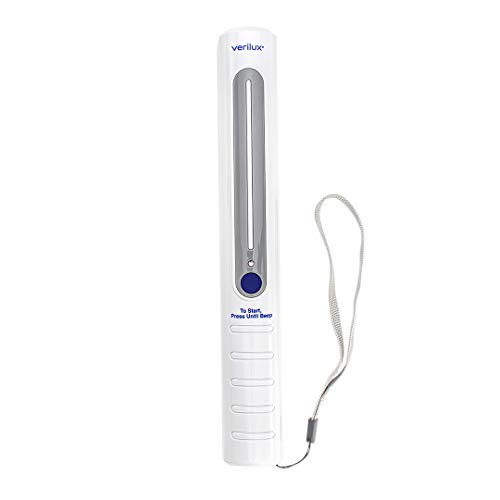
- UV-C fabric sanitizer wand for musty smelling clothes


Before You Start
Assess the fabric type and the odor level. Delicate textiles may require gentler handling, while heavy fabrics can tolerate stronger treatments. Always test a hidden area first. Plan for ample drying time and a well-ventilated space to avoid reinserting moisture into fabrics. Safety cautions: avoid inhaling ozone-generating devices directly and follow manufacturer instructions for UV-C devices. Expect a range of 2–6 hours from start to fully refreshed wardrobe, depending on method chosen.
Step-By-Step: How To Get Rid Of Musty Smell In Clothes
- Begin with a thorough washing cycle using your regular detergent and add a cup of white vinegar or an odor-fighting additive to neutralize musty odors at the source.
- After washing, promptly transfer clothes to a dryer or air-dry in a sunlit, breezy area to prevent residual moisture from promoting odor return.
- For persistent odors, run a quick second wash with a fabric-safe booster designed for odor removal, following product guidelines for load size.
- Use a portable garment steamer for fabric odor removal to release trapped odors from fibers. Maintain a steady steam and avoid scorching delicate fabrics.
- If odors linger, consider an ozone laundry odor remover generator for clothes, used in a controlled and properly ventilated space according to safety instructions.
- For targeted sanitizing, wave a UV-C fabric sanitizer wand over garments, focusing on areas most prone to odor buildup, and ensure fabrics are not heat-sensitive.
- Between wears, store clothes in a dry, airy area. Use breathable garment bags and moisture absorbers to limit future mustiness.
- Inspect for mold growth in closets and storage containers; address dampness and improve airflow to prevent recurrence.
- If odor persists across multiple items or seasons, consider laundering the entire wardrobe with a dedicated odor-control system and re-evaluating storage conditions.
Troubleshooting
| Symptom | Likely Cause | Fix | Prevention |
|---|---|---|---|
| Musty smell returns after drying | Moisture remained in fabric or storage area | Rewash and dry completely; improve closet ventilation | Use dehumidifier, open doors, store garments dry |
| Odor only on a few items | Localized mildew or damp storage | Treat affected items with odor removers and sanitize storage space | Inspect storage containers; avoid stacking wet clothes |
| Smell unchanged after washing | Odor absorbed deeply into fibers | Follow up with ozone or UV-C treatment in a well-ventilated area | Wash with appropriate boosters; pre-treat heavily affected fabrics |
| Fabric appears stiff after treatment | Overuse of odor removers or incomplete rinsing | Rinse thoroughly; use fabric softener if safe for the fabric | Use recommended quantities and complete rinse cycles |
Common Mistakes
- Assuming sunlight alone will remove all odors; UV light can help but needs proper air flow and time.
- Overloading washers or dryers, which prevents effective cleaning and drying.
- Skipping storage hygiene, allowing moisture to linger in closets and bins.
- Using harsh chemicals on delicate fabrics that may cause damage or discoloration.
Tips For Best Results
- Pair washing with a natural odor absorber like baking soda or white vinegar for an initial neutralization boost.
- Rotate clothes on hangers in a well-ventilated area to maximize airflow and evaporation.
- Test odor-removal devices on small fabric swatches before full usage.
- Schedule regular closet cleanouts to monitor moisture and prevent mold growth.
Call A Professional
Consider a pro if musty odors persist after multiple cleanings, the smell seems linked to mold growth, or you suspect hidden dampness in walls or flooring. Stop immediately if anyone in the household has respiratory sensitivity or allergy symptoms tied to damp environments. A professional assessment can identify hidden moisture sources and provide safe remediation plans.
FAQ
What naturally neutralizes musty odors in clothes?
A combination of washing with odor-control boosters and air-drying in a sunny, dry area often neutralizes odors effectively.
Are ozone devices safe for home use?
Yes when used according to manufacturers’ instructions and with proper ventilation; do not inhale ozone directly.
Can UV-C devices harm fabrics?
Most fabrics tolerate limited UV-C exposure; always test on a hidden area and follow device guidelines.
How long should I air out clothes after washing?
Aim for several hours in a dry, breezy space, longer for heavily cached odors or damp storage.
Buying Guide
When selecting odor-fighting tools, consider size, noise, energy use, and placement. For odor-prone wardrobes, a combination approach often works best. Assess the daily routine, storage environment, and fabric types to tailor the setup.
Size and capacity: Choose devices that fit your laundry space and typical load size. A compact ozone or UV-C wand works well for small closets or dressers, while larger units suit wardrobe rooms or basements.
Noise level: If you share living spaces, prefer low-noise devices or use devices during laundry cycles to minimize disturbances.
Energy efficiency: Look for energy-efficient modes or devices with automatic shutoff after treatment sessions to save power.
Controls and ease of use: Favor intuitive controls, clear safety warnings, and straightforward maintenance steps. A device with preprogrammed modes can simplify odor removal.
Placement and ventilation: Ensure safe placement away from children and pets. For ozone devices, operate in a well-ventilated area and never in occupied rooms. UV-C devices should be used with caution to minimize exposure to skin or eyes.
Multi-tool strategy: Many homes benefit from a combination approach—pre-wash boosters, air drying, and selective sanitizing devices. Prioritize items based on odor persistence and fabric type.
Leave a Reply