How to Get Rid of Smelly Dog Feet
Smelly paws are a common issue for many dogs, especially after outdoor adventures or rainy days. Regular cleaning and targeted products can reduce odor and keep paws healthy. This guide provides practical steps to freshen your dog’s feet and prevent persistent smells.
By following a simple routine and using the right tools, you can manage paw odor effectively while supporting your dog’s comfort and hygiene.
Quick Answer
Start with a dedicated paw cleaning routine, dry thoroughly, and use a combination of odor-control products and wipes to keep paws clean between baths. For stubborn smells, a cleaning cycle that combines washing with enzymatic or antimicrobial products tends to work best.
What You’ll Need
- dog paw washer cup kit for cleaning muddy paws
- pet deodorizing paw spray for dogs odor control
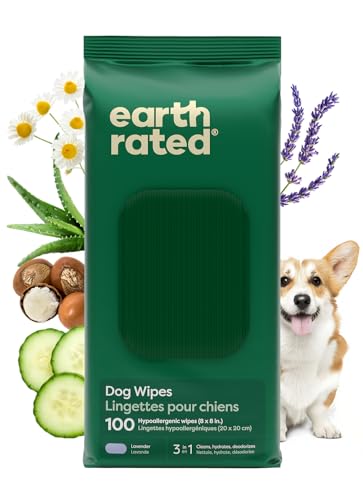
- enzyme-based dog paw cleaning wipes antimicrobial


Before You Start
Set aside a comfortable, non-slip area in your home where you can safely cleanse your dog’s paws. Use lukewarm water and gentle towels to avoid skin irritation. Expect the routine to take 5–15 minutes depending on paw size and cooperation. Never use human products on dog paws without veterinary approval. If your dog has allergies or skin sensitivities, test a small area first and consult a veterinarian if irritation occurs.
Step-By-Step: How To Get Rid Of Smelly Dog Feet
- Prepare the space and tools, aligning the paw washer cup kit and wipes within arm’s reach.
- Inspect each paw for cuts, redness, or debris that could trap odors; gently wipe away dirt as needed.
- Fill the paw cup with lukewarm water, then insert the paw and rotate to loosen mud and grime.
- Rinse each paw thoroughly, ensuring between the toes is clean to prevent odor buildup.
- Dry the paw completely with a clean towel to prevent moisture that can foster odor-causing bacteria.
- Apply the pet deodorizing paw spray for dogs odor control to neutralize remaining smells and provide light protection.
- Wipe with enzyme-based dog paw cleaning wipes antimicrobial to target odor-causing organisms and bacteria.
- Reward your dog with a treat and repeat the routine after outdoor activities or when paws appear dirty.
Troubleshooting
| Symptom | Likely Cause | Fix | Prevention |
|---|---|---|---|
| Persistent odor after cleaning | Residual moisture or deep-seated odor in fur between toes | Re-clean with paw washer and reapply enzyme-based wipes | Clean paws after wet outdoor activities; inspect between toes regularly |
| Redness or irritation | Allergic reaction or overuse of products | Pause products and rinse with plain water; seek vet advice if irritation persists | Test one product at a time and monitor skin response |
| Dry, cracked pads | Excessive cleaning or dry environment | Use a pet-safe paw balm after cleaning | Limit cleaning frequency to necessary occasions; maintain humidity indoors |
| No improvement after days | Underlying medical issue or persistent moisture | Consult veterinarian to rule out infections or dermatitis | Regular veterinary checks for dogs with chronic odor issues |
Common Mistakes
- Using strong household cleaners on paws, which can irritate skin
- Overwashing, which can strip natural oils and worsen odor over time
- Ignoring between-toe areas where odor can hide
- Rushing the drying step, allowing moisture to linger
Tips For Best Results
- Integrate odor control products into a consistent daily routine, not just after messy outings
- Choose enzymatic wipes that target organic stains and odors for deeper cleaning
- Pair wipes with a light deodorizing spray for ongoing freshness
- Keep paws dry after walks by towel-drying and, if needed, using a small fan to speed drying
- Check paws for foreign objects (stuck burrs, seeds) that can cause discomfort and odor when trapped
Call A Professional
Seek veterinary advice if there is excessive licking, persistent odor despite cleaning, or signs of skin infection, swelling, or pain. If you notice open wounds, persistent redness, or discharge, do not delay professional care. A professional can diagnose dermatitis, fungal infections, or allergies that require targeted treatment.
FAQ
What causes smelly dog feet?
Odor usually comes from damp conditions, bacteria between the toes, and debris trapped in fur. Regular cleaning helps reduce buildup.
How often should I clean my dog’s paws?
After outdoor activities and at least once daily during wet or muddy seasons, followed by thorough drying.
Are paw sprays safe for all dogs?
Most are safe for routine use, but check ingredients and test on a small area if your dog has sensitive skin.
Can I use human wipes on dogs’ paws?
Human wipes are not recommended; use dog-specific antimicrobial or enzymatic wipes to avoid irritation.
When should I see a vet for odor issues?
If odor persists beyond a few days, or if there are signs of irritation, swelling, or discharge, consult a veterinarian.
Can diet affect paw odor?
Diet can influence overall odor and skin health; discuss persistent issues with a veterinarian if you suspect dietary factors.
Buying Guide
When selecting products to manage smelly dog feet, consider several key factors to ensure effectiveness and safety while fitting your home routine.
- <bSize and fit: Choose paw cleaners and wipes sized for your dog’s paws and breed. Smaller paws require gentler handling, while larger paws may need more thorough cleaning cycles.
- <bNoise level and ease of use: For anxious dogs, look for low-noise, simple-to-use devices or wipes with mild fragrances that won’t overwhelm.
- <bEnergy efficiency: If using powered paw washers, pick models with efficient water usage and quick dry cycles.
- <bControls: Simple on/off controls and clear instructions help ensure proper use for all family members.
- <bPlacement: A washable mat or tray nearby prevents water mess; keep supplies within reach but out of direct sunlight to preserve product integrity.
- <bOdor-control efficacy: Enzymatic and antimicrobial wipes, plus deodorizing sprays, tend to provide the strongest odor control when used together.
- <bAllergen considerations: Check ingredient lists for potential allergens and select hypoallergenic options if your dog has sensitive skin.
For most owners, a combination approach—using a paw washer cup kit for cleaning, followed by deodorizing spray and enzymatic wipes—strikes a balance between thorough cleaning and ongoing odor control. If odor recurs frequently, consider scheduling a routine check with a veterinarian to rule out medical causes and tailor the regimen to your dog’s needs.
Leave a Reply