How to Clean and Store Carrots
Carrots are a versatile, nutrient-packed staple in American kitchens. Proper cleaning and storage can extend their freshness, improve texture, and reduce waste. This guide walks through practical steps, safe practices, and affordable tools to keep carrots crisp and ready for snacking, cooking, or meal-prep.
Quick Answer
Rinse carrots under cool running water, scrub with a vegetable brush to remove soil, trim greens if present, and dry thoroughly. Store unwashed carrots in an airtight container or a perforated bag in the fridge for up to two weeks. For larger batches, cut into sticks and keep in a 1-quart airtight glass container to maintain moisture without sogginess. Use a carrot peeler with a built-in brush for quicker cleaning, and consider a long-handle vegetable cleaning brush for hard-to-reach dirt.
What You’ll Need
Gather these tools and items to clean and store carrots efficiently. Use the exact product keywords where possible to streamline your setup:
- Carrot peeler with built-in brush stainless steel
- Vegetable cleaning brush with long handle carrot scrub
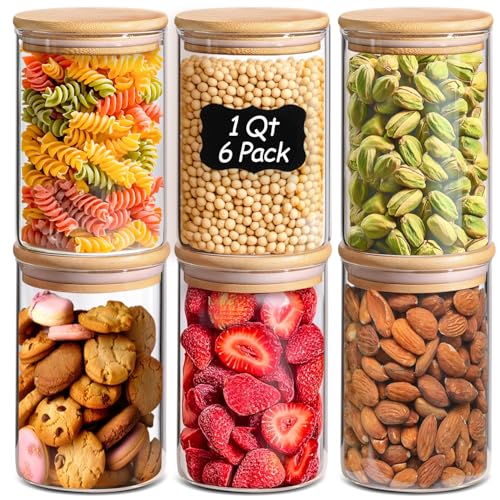
- Airtight glass storage container for carrot sticks 1 quart


Before You Start
Prep work matters. Remove carrot tops if present, as greens can draw moisture and shorten shelf life. Rinse the produce to remove surface soil before any scrubbing. Dry carrots completely to prevent moisture buildup inside storage containers. Avoid soaking carrots for extended periods, which can cause them to lose flavor and texture. Plan the cleaning step before chopping or meal-prep to minimize handling and contamination risks. Time estimate: 10–15 minutes for a standard bag; longer for large batches or root veggie varieties.
Step-By-Step: How To Clean And Store Carrots
- Rinse carrots under cool, running water to remove loose dirt and debris.
- Gently scrub with a veggie brush to remove stubborn soil at the crevices and along the skin.
- If using greens, trim the tops to about 1 inch to prevent moisture loss and bitterness from the greens.
- Optionally peel only if the skin is damaged or you prefer a smoother texture; keep the skin on for nutrition when possible.
- Dry carrots thoroughly with a clean towel or let them air-dry for a few minutes before storage.
- For short-term storage, place whole cleaned carrots in a breathable bag or container lined with a paper towel to absorb extra moisture.
- For prepped sticks, slice evenly and arrange in a 1-quart airtight glass storage container to maintain crispness.
- Label containers with the date to monitor freshness and rotate stock as needed.
- If using a carrot peeler with a built-in brush, work in smooth, single-pass motions to minimize skin removal.
- Store in the refrigerator at 32–40°F (0–4°C) to maximize shelf life and texture.
- Check regularly and discard any carrots that appear slimy, discolored, or dried out.
- For long-term storage, consider blanching and freezing chopped carrots in airtight bags or containers.
Troubleshooting
| Symptom | Likely Cause | Fix | Prevention |
|---|---|---|---|
| Carrots become limp quickly | Excess moisture or inadequate drying | Dry thoroughly and store in sealed container with a paper towel | Keep moisture controlled; avoid washing until just before use |
| Carrots mold inside container | Container not airtight or carrots too moist | Replace with a fresh airtight container and pat dry before storing | Line with paper towels; don’t overpack |
| Carrots lose color and become dull | Exposure to air or old produce | Use fresh carrots; store away from strong-smelling foods | Consume within recommended window; refrigerate promptly |
| Sticks become sticky after storage | Excess moisture or condensation | Dry sticks completely before sealing | Avoid washing too early; pat-dry thoroughly |
Common Mistakes
- Leaving greens on carrots during storage, which draws moisture away from the root.
- Storing unwashed carrots in closed containers without drying first.
- Cutting or peeling carrots too early for long-term use, which accelerates moisture loss.
- Using a non-airtight container for prepped sticks when planning to keep them longer than a day or two.
Tips For Best Results
Small adjustments can dramatically improve carrot storage and usability. Always wash only what you plan to eat soonest to prevent unnecessary moisture exposure. Use the carrot peeler with built-in brush to speed up cleaning, but avoid aggressive scraping that can thin the surface. For batch prep, cut carrots into uniform sticks to promote even moisture retention and quicker access during meal prep. Consider placing a small silicone mat or liner in the container to reduce sticking and ease cleanup. If you notice fragrance transfer from other produce, use separate storage for strongly scented items, as carrots can absorb odors over time.
Call A Professional
Carrot cleaning and storage rarely require professional assistance. If you notice persistent spoilage, unusual odors, or signs of mold that do not respond to typical cleaning and drying, consult a food safety expert or local extension service for guidance. Seek professional help if you’re dealing with vast quantities destined for catering or food service that must meet strict safety standards.
FAQ
Can I wash carrots ahead of time?
Yes, but dry them thoroughly before storage to prevent moisture buildup.
Is it better to freeze or refrigerate carrots?
Refrigeration is best for short-term use; blanching and freezing works well for long-term storage.
Do carrots need to be peeled?
Not necessarily; the skin is edible and nutritious, but peeling is fine if the skin is rough or you prefer a smoother texture.
How long do carrot sticks stay fresh in storage?
Typically up to about a week in the fridge in an airtight container, depending on carrot freshness and moisture management.
Buying Guide
Choosing the right tools and storage options helps ensure consistent results. Consider size, noise level (for any electric scrubbers), energy efficiency (if using powered cleaners), controls, and placement in the kitchen. For cleaning, a carrot peeler with a built-in brush saves time and reduces the number of tools. A long-handle vegetable brush can tackle dirt at the root end and deep crevices. For storage, an airtight glass container is ideal for keeping carrot sticks fresh in the fridge without absorbing flavors from other foods. Think about batch size: larger households may prefer a 1-quart container and modular options to fit your shelf space. Placement near the produce drawer minimizes temperature fluctuations and helps maintain crispness. If odor control is important, select containers with tight-sealing lids and consider liners to absorb moisture. Finally, aim for tools that are easy to clean and dishwasher safe to maintain hygiene and longevity.
Leave a Reply