How to Clean a Toilet Bowl Effectively
Keeping a toilet bowl clean is essential for hygiene and a fresh bathroom. This guide walks through a practical, step-by-step approach using common household tools to remove stains, mineral buildup, and grime without damaging surfaces.
With the right routine, you can maintain a spotless bowl, prevent odors, and extend the life of your plumbing fixtures. The methods below emphasize safety, efficiency, and common-sense maintenance that works for most homes.
Quick Answer
Overview: Start with a long-handled toilet brush to scrub mineral deposits, use a toilet auger for stubborn clogs, and keep a high-suction plunger handy for pressure breakthroughs. Finish with a targeted cleaner for lasting shine and odor control.
What You’ll Need
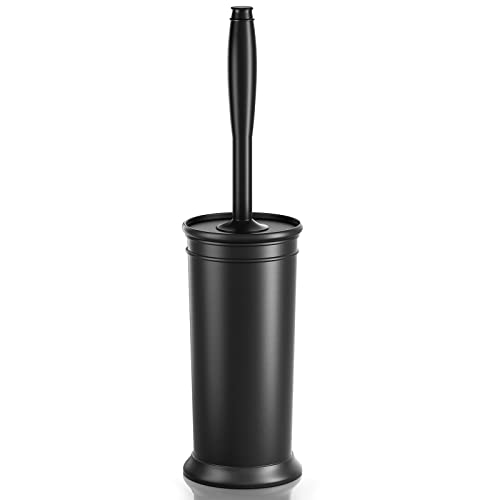
- toilet bowl brush long handle scrubber with durable bristles
- toilet plunger with flange high suction rubber
- toilet auger drain snake unclogger 3-6 ft


Before You Start
Clear the area around the toilet and ensure good ventilation. Wear gloves to protect skin from cleaners, and avoid mixing chemical products. Time estimate: 15–30 minutes for routine cleaning; longer if addressing buildup or stains. Critical cautions: never use drain cleaners inside the bowl, and don’t mix cleaners with ammonia or bleach unless the label allows it.
Step-By-Step: How To Clean A Toilet Bowl
- Put on gloves and ventilate the bathroom. Flush the toilet to wet the bowl and remove excess water with a sponge or plunger as needed.
- Apply a toilet-safe bowl cleaner around the rim and inside the bowl, focusing on stained areas. Let it sit for 5–10 minutes to loosen buildup.
- Scrub the bowl with the toilet bowl brush long handle scrubber, using firm, circular motions under the rim and along the waterline.
- For stubborn mineral deposits, reapply cleaner and scrub with extra pressure on affected spots. Rinse by flushing and repeating as needed.
- Use the toilet auger drain snake unclogger 3-6 ft if you encounter a slow drain or mild clog near the trap. Gently insert and rotate to break up obstructions.
- If a deeper clog persists, try the toilet plunger with flange high suction rubber. Create a tight seal, push and pull in a steady rhythm until movement is felt.
- Flush again to rinse away loosened debris. Wipe the exterior with a mild bathroom cleaner to remove any splashes or fingerprints.
- Inspect for remaining stains or mineral rings. If present, repeat the cleaning cycle or target with a specialty cleaner designed for toilets.
- Dry the exterior and handle with a clean towel. Store tools in a dry area to prevent rust and odor buildup.
- Dispose of disposable wipes or paper towels properly, avoiding the flush of non-flushable items.
- (Optional: add a toilet deodorizer tablet in the tank or a sanitizer to keep the bowl fresh between cleanings.
Troubleshooting
| Symptom | Likely Cause | Fix | Prevention |
|---|---|---|---|
| Bowl remains dull or stained after cleaning | Mineral buildup or hard water stains | Use a dedicated toilet cleaner for minerals and re-scrub | Regular, shorter cleanings to prevent heavy buildup |
| Slow draining after cleaning | Partial clog or mineral blockage | Gently use toilet auger to clear; avoid forcing the line | Address clogs promptly and avoid flushing inappropriate items |
| Plunger won’t seal | Damaged flange or dirty seal | Clean flange, inspect for wear; replace if needed | Keep the seal clean and dry when storing |
| Bleach or cleaner odor lingers | Incomplete rinsing | Flush thoroughly; rinse with clean water | Allow proper ventilation during cleaning |
Common Mistakes
- Using abrasive scrubbers that scratch porcelain
- Mixing cleaners with ammonia or bleach beyond label directions
- Neglecting under-rim areas where grime hides
- Overlooking exterior surfaces during cleaning
Balanced cleaning, attention to corners, and proper tool use help prevent these missteps and keep the toilet bowl gleaming.
Tips For Best Results
- Schedule routine cleanings to keep buildup manageable.
- Let cleaners dwell for the recommended time to maximize effectiveness.
- Use a long-handled brush to avoid leaning over the bowl and reducing splashes.
- Replace worn bristles periodically to maintain scrubbing power.
- Store tools in a dry, ventilated area to prevent rust and odors.
Call A Professional
Consider a pro if you notice persistent clogs, unusual odors that persist after cleaning, or if the toilet repeatedly drains slowly despite use of a plunger and auger. Seek help for suspected line damage, sewer gas, or recurring plumbing failures that exceed routine maintenance.
FAQ
What should I use to clean a toilet bowl effectively?
Use a toilet-safe bowl cleaner and a toilet bowl brush with durable bristles for routine cleaning and stain removal.
How often should I clean the toilet bowl?
Aim for a weekly clean, with deeper cleanings every 1–2 weeks depending on usage and water quality.
Can I unclog a toilet with an auger alone?
For many clogs, a toilet auger can help; if not, a plunger with flange often solves common blockages.
Is it safe to mix cleaners?
Avoid mixing bleach with ammonia or other cleaners unless the product label explicitly permits it.
What maintenance helps prevent clogs?
Regular cleaning, proper disposal of waste, and avoiding flushable wipes or non-flushables reduce clog risk.
When should I call a plumber?
Call a professional if clogs persist after multiple attempts, smells linger, or you suspect plumbing damage or sewer issues.
Buying Guide
Choosing the right tools supports consistent toilet care. Consider these factors to optimize performance and value:
- Toilet Bowl Brush Long Handle Scrubber: Look for a sturdy handle, durable bristles, and a curved neck that reaches under the rim. A vented or quick-dry design helps reduce odor.
- Toilet Plunger with Flange High Suction Rubber: Ensure a strong suction cup, a durable flange, and a snug seal for reliable plunging. A non-slip grip improves control.
- Toilet Auger Drain Snake Unclogger 3-6 ft: Choose a flexible auger with a clog-clearing tip and a protective cover to prevent scratch marks. Length options cover different trap distances.
Consider size, noise level, and placement in your bathroom. A compact kit with all three tools can streamline maintenance and reduce clutter. Evaluate the noise of cleaners and the ease of tool storage. If space is limited, look for combination tools or compact designs that fit under the sink or in a bathroom cabinet. Does your bathroom have hard water? If so, choose mineral-friendly cleaners to minimize buildup. Always follow product labels for safe use and storage.
Leave a Reply