How to Get Rid of Flies From Indoor Plants
Indoor plants can attract flying pests, especially fungus gnats, which thrive in moist potting soil. This guide offers practical, beachhead-tested methods for Americans dealing with indoor plant flies, using common home products and targeted traps.
Quick Answer
Use a layered approach: eliminate moisture-related breeding sites, trap the adults with sticky cards, treat the soil with a safe oil or insecticide option, and monitor for re-infestation. Start with yellow sticky traps placed near the soil line, introduce neem oil spray as needed, and maintain a drier topsoil surface to reduce future outbreaks.
What You’ll Need
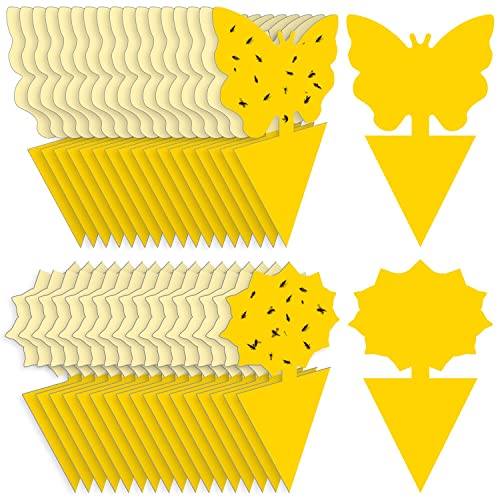
- Fungus gnat traps for potted plants yellow sticky traps (to catch adults at source)
- Indoor plant fly trap adhesive sticky cards fungus gnats (alternative sticky-card options)
- Neem oil spray for fungus gnats indoor plants 16 oz (for soil-drench and foliage application)
- Plastic plant saucers or moisture barriers to prevent water from splashing into the air
- Well-draining potting mix and clean pots to reduce damp areas
- Watering can with a controlled spray


Before You Start
Assess your setup: most issues stem from overwatering or densely packed soil. Work on improving drainage, allow the top inch of soil to dry between waterings, and avoid letting plants sit in excess water. Safety note: neem oil is generally safe for houseplants but always test on a small leaf area first and follow label directions. Plan to inspect plants weekly for signs of adult gnats, larvae, or residue on the soil surface.
Step-By-Step: How To Get Rid Of Flies From Indoor Plants
- Identify affected plants and isolate the most infested potings to prevent spread.
- Place fungus gnat traps for potted plants yellow sticky traps around the plant pots, positioning them at soil level and near drainage holes.
- Allow the traps 24–48 hours to catch a baseline number of adults and assess severity.
- Replace or rotate traps as they fill, keeping at least two per large plant and one per small plant.
- Apply neem oil spray for fungus gnats indoor plants 16 oz as a soil drench: mix according to label, drench the top 1–2 inches of soil, and spray the crown if pests are visible on foliage.
- Let the soil surface dry a bit after treatment to discourage larvae from hatching, then resume a mindful watering schedule.
- Improve drainage by refreshing potting mix every growing season or when pot becomes compacted; consider a top-dressing with sand or perlite to reduce crusting.
- Re-check for larvae by gently lifting the top layer of soil; if you see white maggots, repeat neem oil treatment and adjust watering practices.
- Keep fruit flies and other pests away by removing decaying plant matter and cleaning the pot rims with a mild soap solution.
- Maintain monitoring for several weeks; replace damaged traps and continue dry-wet cycle management to prevent re-infestation.
- When performance plateaus, consider combining traps with a brief soil drench using neem oil and, if needed, an approved indoor-safe insecticide following label instructions.
- Document weekly progress with photos to help gauge the effectiveness of the control measures.
Troubleshooting
| Symptom | Likely Cause | Fix | Prevention |
|---|---|---|---|
| Persistent flying adults after a week | Eggs/larvae in soil or unsanitary debris | Repeat neem oil soil drench; clear debris; use traps consistently | Allow topsoil to dry between waterings; remove decaying matter |
| Sticky residue on leaves | Excess moisture or honeydew from scale insects | Wipe with damp cloth; adjust irrigation; treat scale if present | Balanced watering and quick cleanup of fallen leaves |
| Traps fill quickly but numbers rebound | New adults emerging from soil | Inspect soil and reapply soil-drench neem as needed | Refresh soil and improve drainage to slow life cycle |
| No improvement after neem spray | Neat populations in pots with dense root systems | Repot with fresh, well-draining mix; ensure pot has adequate drainage | Regularly replace top 1–2 inches of soil |
Common Mistakes
- Overwatering, which keeps soil damp and encourages larvae
- Ignoring the drainage needs of large or dense plantings
- Relying solely on traps without addressing moisture and soil health
- Using harsh chemicals that can harm beneficial insects or plant health
- Infrequent monitoring, allowing populations to grow unchecked
Tips For Best Results
- Place yellow sticky traps at soil level and near drainage outlets for maximum capture.
- Allow the top inch of soil to dry before watering again to deter larvae.
- Use neem oil spray as part of a broader plan, not as a one-off solution.
- Keep plants away from windows with bright light where gnats are drawn to reflected surfaces.
- Label pots or create a simple calendar to track when to rotate traps and reapply soil treatments.
Call A Professional
Seek professional help if you notice persistent infestations across many plants, signs of plant decline despite treatment, or if you have houseplants in areas frequented by children or pets and are unsure about product safety. If you detect unusual symptoms such as fungal diseases, severe root rot, or widespread pests beyond gnats, contact a local horticulture extension service or an IPM-certified professional for a tailored plan.
FAQ
What attracts fungus gnats to indoor plants?
Fungus gnats are drawn to moist, organic-rich soil where larvae feed on decaying matter and roots.
Can neem oil be harmful to my plants?
When used as directed, neem oil is generally safe for most indoor plants, but always test on a small area first and avoid applying to stressed foliage.
How often should I replace yellow sticky traps?
Check traps weekly and replace as needed when they appear full or after several weeks of use.
Is repotting necessary?
Repotting with fresh, well-draining soil helps when populations persist despite other treatments.
Buying Guide
Choosing the right tools to combat indoor plant flies involves considering trap effectiveness, soil health, and plant safety. Think about the size and number of affected pots, the level of moisture in the soil, and the presence of pets or children. For many households, starting with yellow sticky traps offers quick adult control, while neem oil provides a versatile soil and foliage treatment that complements trapping. When selecting traps, look for products designed specifically for fungus gnats and ensure that the adhesive is long-lasting and non-damaging to household surfaces. For best results, pair traps with a commitment to better watering practices and soil management.
Leave a Reply