How to Clean Thick Dust
Thick dust buildup can affect air quality and equipment performance in workshops, garages, and industrial spaces. This guide provides practical, step-by-step methods to safely and effectively remove heavy dust layers using common tools and pro tips tailored for American users. The focus is on efficient techniques that minimize mess and protect surfaces.
Readers will learn a fast, actionable approach to tackling thick dust, from preparation to maintenance. The methods emphasize safety, proper tool use, and how to choose the right accessories for stubborn dust without creating airborne particulates.
Quick Answer
For thick dust, start with a portable vacuum equipped with a high-efficiency filter, followed by targeted removal with a compressed air blower from a safe distance, then finish with a microfiber duster on an extendable pole to reach ceilings and ledges. Always work from top to bottom to avoid recontamination.
What You’ll Need
- 5 gallon shop vac HEPA filter for heavy dust cleanup
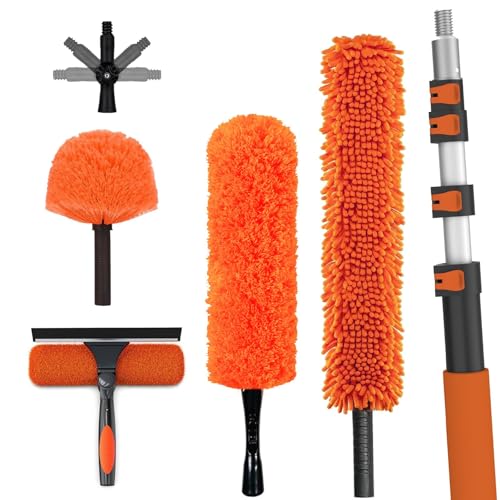
- telescoping microfiber duster with extendable pole for ceiling dust
- compressed air dust blower with long nozzle for thick dust removal
- Personal protective equipment (PPE) such as a dust mask or respirator, safety glasses, and gloves
- Drop cloths or plastic sheeting to protect nearby surfaces
- Soft brushes or microfiber cloths for gentle scrubbing


Before You Start
Prepare the space by closing doors to other rooms and sealing obvious gaps where dust could spread. Wear a dust mask or respirator to protect your airways, especially when handling heavy dust. Clear the floor of loose items to prevent snagging or tipping the vacuum or blower. Allow for a practical time window—thick dust cleanup may take 1–3 hours depending on area size and equipment. Protect electrical outlets and delicate electronics from direct dust exposure, and never use a high-pressure setting indoors near sensitive devices.
Step-By-Step: How To Clean Thick Dust
- Ventilate the space by opening windows and turning on any exhaust fans to reduce airborne dust during cleanup.
- Put on PPE, then remove large debris with gloved hands and place it into a sealed container to minimize spread.
- Use a 5 gallon shop vac HEPA filter for heavy dust cleanup to suction dust from floors, ledges, and larger surfaces.
- Switch to the compressed air dust blower with a long nozzle to dislodge dust from tight corners and high surfaces.
- Work in sections, starting from the ceiling or highest shelves and moving downward to prevent re-settling dust.
- Follow with a telescoping microfiber duster to capture loosened dust from walls, beams, and vents without climbing onto ladders if possible.
- Wipe surfaces with a microfiber cloth dampened lightly with water or a mild cleaning solution as needed, ensuring you dry surfaces afterward.
- Vacuum again with the HEPA-equipped shop vac to remove any secondary dust that settled during cleanup.
- Inspect vents, filters, and fans for dust buildup and repeat removal steps if necessary.
- Bag and dispose of dust-laden materials according to local waste guidelines to minimize recontamination.
- Return items to their places, reassemble any disassembled components, and perform a final pass with the duster to catch lingering particles.
- Schedule periodic maintenance to prevent thick dust buildup, especially in high-traffic workshops or garages.
Troubleshooting
| Symptom | Likely Cause | Fix | Prevention |
|---|---|---|---|
| Dust resettles quickly after cleaning | Airflow is not controlled; dust is disturbed repeatedly | Seal off the area and minimize air movement during the final pass | Use a high-efficiency filter and keep doors closed during cleanup |
| Vacuum loses suction | HEPA filter clogged or bag/full | Replace or clean filter; check canister/bags for proper fit | Empty contents regularly and maintain filter cleanliness |
| Dust clings to surfaces after wiping | Residue from cleaning solution or moisture | Wipe with a dry microfiber after damp cleaning | Use minimal moisture and ensure surfaces are dry before proceeding |
| Dust blows back toward you from blower | Too close distance or too strong setting | Increase distance and reduce pressure if possible | Test in a small area first to calibrate technique |
| Ceiling dust remains heavy | High or inaccessible areas | Use extendable tools and consider a ceiling-safe step platform | Schedule targeted high-area cleaning regularly |
Common Mistakes
- Using a dry, high-velocity approach on delicate finishes
- Ignoring safety gear, especially in tight or dusty spaces
- Over-wetting surfaces, which can spread dust or cause damage
- Neglecting to seal off the area before starting
Burnishing dust back into the air with aggressive scrubbing can create more work later. Keep sessions focused and methodical to reduce recontamination.
Tips For Best Results
- Work from top to bottom to prevent gravity-driven re-deposition of dust.
- Attach the HEPA filter to the shop vac for fine particle capture and better indoor air quality.
- Use microfiber materials whenever possible; they attract dust rather than push it around.
- Inspect filters and seals regularly to maintain strong suction and minimal leakage.
- Label storage areas for tools and keep frequently used items within reach to avoid repeated dust exposure.
Call A Professional
Consider a professional if the dust buildup involves mold spores, hazardous particulates, or structural dust accumulation in hard-to-reach spaces. Stop and consult a technician if any electrical components show signs of dust infiltration, unusual odors, or if the cleanup requires disrupting specialized equipment or ventilation systems.
FAQ
Can I use household cleaning products for thick dust?
Prefer microfiber and water-based solutions. Avoid harsh chemicals that can aerosolize particles or damage surfaces.
Is a HEPA filter essential for heavy dust cleanup?
Yes, a HEPA filter helps capture fine particles and improves air quality during cleanup.
How often should I perform thick dust cleanup?
In dusty spaces, plan a thorough cleaning seasonally and after major dust events or renovations.
What precautions should I take around electrical outlets and electronics?
Keep dust away from outlets and unplug devices when cleaning nearby; use gentle tools to avoid moisture contact.
Buying Guide
The Buying Guide covers key factors to consider when selecting tools for thick dust cleanup. Size and placement matter: a compact shop vac with a robust HEPA filter can be moved between rooms, while a larger unit may be better for workshops. Noise level matters for indoor use—look for units with variable speeds or lower decibel ratings if the space is shared. Energy efficiency reduces running costs over time, especially in frequent cleanup routines. Controls should be intuitive, with accessible filters and bag replacements. Consider placement: store equipment on a stable shelf with easy access to hoses, attachments, and cords. Compare performance across air suction, cleaning reach, and filter maintenance to choose a setup that minimizes dust disturbance while delivering thorough cleanliness. If the space has high ceilings or tight corners, prioritize extendable tools and long-nozzle blowers for efficient reach.
Leave a Reply