How to Clean a Silver Platter
Silver platters add timeless elegance to table settings, but keeping them bright requires the right approach. This guide provides practical, user-friendly steps to safely restore shine while protecting delicate silver surfaces.
Quick Answer
For a fast refresh, use a gentle silver polishing cloth to wipe away tarnish, then buff with a microfiber cloth. For stubborn tarnish, apply a silver tarnish remover paste following product instructions, rinse, and dry thoroughly. Finish with a protective polish to maintain luster and prevent future dulling.
What You’ll Need
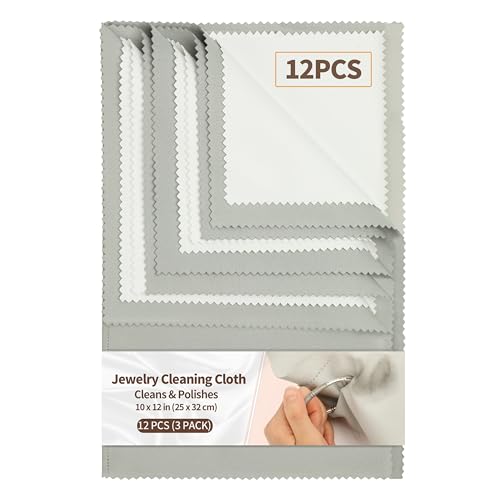
- silver polishing cloth for silverware
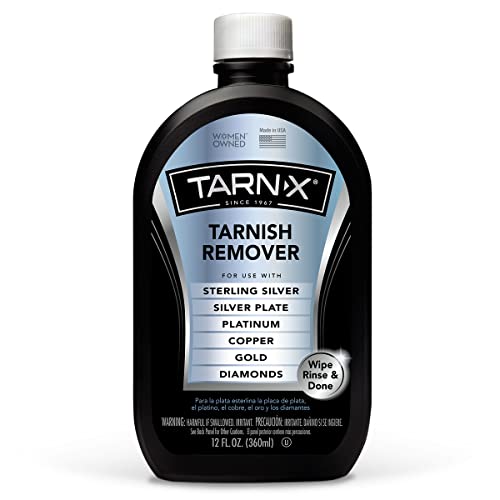
- silver tarnish remover paste for flatware
- silver cleaning kit with polish and microfiber cloth

Before You Start
Prepare a clean work area and assemble the tools. Remove any decorative elements from the platter and place a soft cloth or towel beneath it to avoid scratches. Avoid using abrasive pads or overly aggressive cleaners, which can scratch or dull silver surfaces. Plan for a 10–30 minute cleaning session depending on Tarnish level and plate condition. Always follow product directions for chemical-based cleaners and wear gloves if advised.
Step-By-Step: How To Clean A Silver Platter
- Place the platter on a soft, lint-free surface and inspect for dents or loose engravings that could be damaged by vigorous cleaning.
- Dust the surface with a clean microfiber cloth to remove loose particles before applying any cleaner.
- For light tarnish, rub a silver polishing cloth for silverware over the surface in gentle, circular motions until shine returns.
- If tarnish persists, apply a small amount of silver tarnish remover paste for flatware to a clean cloth or applicator. Work in small sections, following the grain of the metal.
- Rinse the platter with lukewarm water to remove paste residues. If the product is not water-compatible, wipe thoroughly with a damp cloth and dry immediately.
- Dry the platter completely with a soft towel to prevent water spots and oxidation. Buff with a microfiber cloth for a final high-gloss finish.
- Optionally, apply a thin layer of silver cleaning kit with polish and microfiber cloth polish to seal and protect the surface, then buff to a mirror shine.
- Inspect the piece for remaining dark spots or smudges. Repeat steps as needed in small sections only.
- Store the platter upright or in a lined cabinet away from humid environments to slow tarnish return.
- After cleaning, reassemble any accessories and wash hands to remove any cleaner residue before use.
- For heirloom or heavily tarnished pieces, consider professional consultation to avoid over-cleaning or damage.
Troubleshooting
| Symptom | Likely Cause | Fix | Prevention |
|---|---|---|---|
| Dull white residue after cleaning | Residual polish or paste residue | Wipe with a damp cloth and dry thoroughly | Rinse promptly after use |
| Scratches or micro-scratches | Abrasive cleaning or rough cloth | Switch to soft microfiber cloth; avoid abrasive pads | Use gentle, circular motions |
| Persistent black tarnish spots | Tarnish that has penetrated the alloy | Apply paste in small areas or seek professional advice | Regular light polishing to minimize buildup |
| Uneven shine after polishing | Uneven application or drying too quickly | Reapply in thin layers and buff evenly | Polish in a shaded area with consistent pressure |
Common Mistakes
- Using overly abrasive cleaners or pads on silver surfaces
- Letting paste sit too long or not rinsing properly
- Over-polishing, which can wear away decorative details
- Cleaning in hot water, which can cause spotting or warping in some platters
Sticking to gentle methods protects the platter’s finish and preserves its intricate details for years to come.
Tips For Best Results
- Test cleaners on a small, inconspicuous area before full-use application
- Polish in a room with controlled lighting to spot uneven areas
- Use a dedicated silver cleaning kit to ensure compatible products
- Store silver pieces in anti-tarnish cloths or lined cases to slow oxidation
- Avoid exposing silver to rubber bands or certain household chemicals that accelerate tarnish
Call A Professional
Seek a professional if the platter shows deep pitting, sizable dents, or engraving loss, or if cleaning risks compromising a vintage or family heirloom. Stop cleaning and consult a conservator if metal appears bleached, discolored abnormally, or reacts with cleaners in unexpected ways.
FAQ
Can I clean silver platters with regular household soap?
Plain dish soap with warm water is safe for routine cleaning, followed by thorough drying. Avoid harsh detergents that can strip protective finishes.
How often should I polish a silver platter?
Light maintenance every few months prevents heavy tarnish buildup. More frequent polishing may be needed in high-hulip or humid environments.
Is it safe to use toothpaste on silver?
No. Toothpaste is abrasive and can scratch silver surfaces. Use dedicated silver polish or a polishing cloth.
What is the best storage method after cleaning?
Store in a dry, low-humidity area, ideally wrapped in anti-tarnish cloth or kept in a soft-lined case to minimize contact with air.
Buying Guide
When choosing products to clean and maintain a silver platter, consider size, tarnish level, and storage environment. For starters, a silver polishing cloth for silverware provides quick touch-ups, while a silver tarnish remover paste for flatware handles heavier tarnish. A complete silver cleaning kit with polish and microfiber cloth offers integrated tools and a protective finish. Look for buffers that are non-abrasive and safe for ornate surfaces. Energy efficiency and noise are not primary concerns here, but opt for gentle, chemical-based options that suit your care routine and frequency of cleaning.
Leave a Reply