How to Get Rid of Wool Smell
Wool garments can retain odors from daily wear, laundering, and storage. A clean-smelling wardrobe starts with proper washing and refreshing techniques that preserve fiber integrity. This guide covers practical, at-home methods using common wool care products to neutralize odor and keep wool fabrics fresh.
Readers will find a straightforward, step-by-step approach, along with troubleshooting tips and a buying guide to choose the right odor-control options for wool. The methods emphasize odor removal without harsh chemicals, helping maintain softness and color during repeated wear and washes.
Quick Answer
Quick method: Pre-treat with a wool odor remover spray for fabrics, wash with a delicate wool wash liquid detergent for odor removal, and finish with a fabric refresher spray for wool garments between wears.
What You’ll Need
- Wool odor remover spray for fabrics
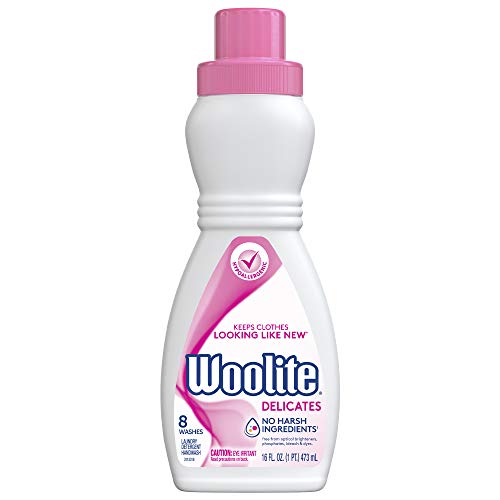
- Delicate wool wash liquid detergent for odor removal
- Fabric refresher spray for wool garments

Before You Start
Inspect wool items for stains and pilling before treatment. Always test any product on a hidden seam or small area to avoid discoloration. Use cold or lukewarm water and choose a gentle cycle or hand wash for delicate wools. Allow ample air drying away from direct heat to prevent shrinking or felting. Do not machine-dry wool unless the care label explicitly permits it.
Time estimates vary: pretreatment takes 5–10 minutes, washing 15–25 minutes, and air drying 2–6 hours depending on fabric thickness and humidity. If the garment is heavily soiled, repeat the process rather than increasing wash duration. Focus on odor neutralization rather than aggressive cleaning.
Step-By-Step: How To Get Rid Of Wool Smell
- Check the care label on the wool garment to confirm water temperature and wash method.
- Lightly brush or air-out the fabric to release trapped odors before any washing.
- Apply a wool odor remover spray for fabrics to the underarm and other odor-prone areas, following the product instructions.
- Prepare a basin of cold or lukewarm water and add a small amount of delicate wool wash liquid detergent for odor removal per label directions.
- Gently submerge the garment and swirl for 5–10 minutes; avoid aggressive rubbing to protect fibers.
- Rinse with clean, cold water until all soap is removed; do not wring the fabric.
- Gently press out excess moisture with a towel and lay flat to dry away from heat sources.
- After drying, refresh the garment with fabric refresher spray for wool garments if slight lingering odor remains.
- Store wool items in a breathable garment bag or with cedar blocks to deter future odor buildup.
- If odor persists after multiple washes, consider repeating the wash cycle or consulting fabric care guidance for your specific wool blend.
Troubleshooting
| Symptom | Likely Cause | Fix | Prevention |
|---|---|---|---|
| Persistent odor after washing | Insufficient rinse or buildup | Rinse longer and consider a second wash with the delicate wool wash | Rinse completely, avoid overloading machine |
| Color fading or dulling | Harsh detergent or hot water | Switch to cold water and a gentle formula | Follow care label and perform spot tests |
| Fiber felt or shrink | Excess heat or agitation | Use cold water and minimal agitation | Avoid high heat; air dry |
| New odors from storage | Closed space without airflow | Air out items before wearing; use fabric refresher | Store in breathable containers |
Common Mistakes
- Overloading the washing machine, which prevents proper rinsing
- Using hot water or harsh detergents on delicate wools
- Rubbing or wringing aggressively, which can damage fibers
- Skipping the final air-dry step, leading to residual damp odor
Tips For Best Results
- Test all products on inconspicuous fabric areas first to protect colorfastness
- Rotate storage containers and ensure ventilation to prevent future odor buildup
- Use odor-neutral products specifically designed for fabrics to avoid residual chemical scents
- For heavily worn wool, consider a professional cleaning that specializes in wool garments
Call A Professional
Seek professional help if wool items show persistent odor despite repeated home treatments, or if the fabric is antique, heavily embellished, or shows signs of damage. Signs to stop at-home treatment include visible discoloration, dye running, or shrinking beyond safe care limits.
FAQ
Can I use regular laundry detergent to remove wool smells?
Regular detergents may be too harsh for delicate wool. Use a detergent labeled for wool or delicates to protect fibers.
Is it safe to spray fabric refresher between wears?
Yes, but choose a product formulated for wool and test first to avoid residue or staining.
How often should I wash wool garments to prevent odor?
Wool can be refreshed between wears with a light spray; washing every 2–3 wears or as needed removes buildup and odors.
What if odor returns after drying?
Repeat the pretreatment and wash steps, ensuring complete rinsing and proper drying conditions.
Are there natural odor removers for wool?
Yes, some natural options use plant-based or enzyme-based formulations; verify compatibility with wool care labels.
Should I dry wool flat or hang it?
Flat drying helps prevent stretching; delicate wools can be air-dried on a clean towel or a drying rack away from heat.
Buying Guide
Choosing products to combat wool odor involves evaluating care requirements and the fabric’s fiber content. Consider size and packaging to ensure the product suits your wardrobe and laundry load. Look for low-foaming formulas that rinse easily, and check labels for wool-specific guidance. Noise level is rarely a factor for sprays, but consider spray viscosity and spray pattern for even coverage.
Key buying factors include:
- <bSize and packaging: Choose a bottle size that matches your typical laundry volume and storage space.
- <bOdor-neutral formula: Prioritize products labeled for fabrics and wool to target odors without damaging fibers.
- <bEnergy and water considerations: Light, concentrated formulas reduce rinse water needs and energy use.
- <bControls and ease of use: Look for clear instructions, safe spray patterns, and compatibility with hand-wash and machine-wash cycles.
- <bPlacement and storage: Store where you wash garments, and use a breathable storage approach to prevent new odors.
Do you prefer a single-step odor control or a separate pretreatment, wash, and refresh routine? A combined system with a wool odor remover spray, a delicate wool wash, and a fabric refresher offers comprehensive odor control, while individual products allow more nuanced handling of tough smells. Always follow label directions and test on a small area before broader use.
Leave a Reply