How to Clean Throw Pillows Safely and Effectively
Throw pillows bring color and comfort to living spaces, but their fabric and fillings can trap dirt, oils, and odors over time. This guide walks American readers through a practical, step-by-step approach to clean most common throw pillow types without damaging materials or shrinking cushions. From surface refreshes to deeper cleanings, the methods use accessible tools and safe techniques.
Quick Answer
For everyday refreshes, spot-treat stains with a fabric-safe stain remover, then use a handheld fabric steamer to lift wrinkles and release loosened dirt. For deeper cleaning, gently wash machine-washable pillow covers or toppers, and rely on a microfiber upholstery cleaning brush for delicate surfaces. Always air dry completely before reassembling. Test any cleaner on a hidden area first.
What You’ll Need
- Handheld fabric steamer for upholstery pillows
- Stain remover spray for fabric cushions 16oz
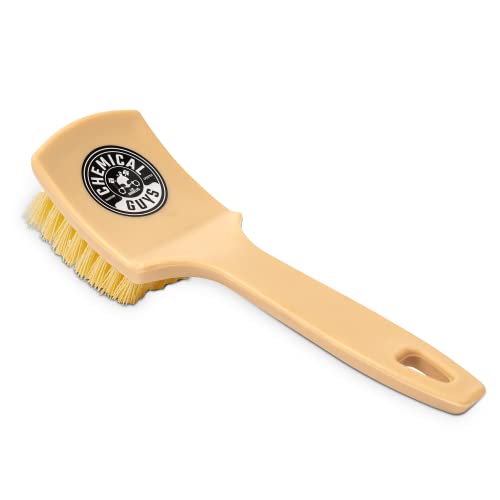
- Microfiber upholstery cleaning brush for throw pillows


Before You Start
Identify pillow types before cleaning: washable covers, non-washable fabric, or pillows with down or feather fill. Check care labels for washing temperatures and cycle limits. Protect surrounding furniture with a drop cloth or old towels. Do a light dusting to remove surface dirt before applying any moisture. Never soak pillows with foam cores unless the label permits, and never machine-dry foam-filled pillows. Plan for drying time, especially in humid conditions, to avoid musty odors or mildew.
Step-By-Step: How To Clean Throw Pillows Effectively
- Inspect each pillow’s care tag and material. Separate washable fabric covers from non-washable components.
- Lightly vacuum the pillow surfaces with a brush attachment to remove loose dirt and pet hair.
- Spot-treat stains with a fabric-safe stain remover spray. Apply a light mist, blot with a clean cloth, and repeat as needed.
- Use the handheld fabric steamer to refresh the surface once stains are treated. Move the steamer slowly to lift fibers without soaking.
- For removable covers, launder according to the tag directions. Use a gentle cycle and mild detergent, then air dry or tumble dry on low if permitted.
- For non-removable fabrics, dampen a microfiber upholstery cleaning brush with water and a small amount of mild detergent. Gently scrub in circular motions, avoiding oversaturation.
- Rinse or blot away any soap residue with a clean, damp cloth. Ensure all cleaners are removed to prevent staining or stiff fabric.
- Air dry all items completely. Place pillows in a well-ventilated area, flipping occasionally to speed up drying and prevent mildew.
- Fluff cushions by hand or with a gentle shake once dry. Reinsert any removed fillings and test for even distribution.
- For frequent refreshes, repeat every few weeks or as needed, especially in high-traffic rooms or households with pets or allergies.
Troubleshooting
| Symptom | Likely Cause | Fix | Prevention |
|---|---|---|---|
| Stains reappear after cleaning | Residual soil or improper rinsing | Rinse thoroughly; repeat spot-treatment and blotting | Test cleaners first; use minimal product |
| Fabrics shrink or stiffen after wash | High heat or aggressive cycle | Wash on gentle, cold or warm water; air dry | Follow care labels; avoid over-washing |
| Color fading or bleeding | Strong cleaners or excessive agitation | Switch to milder detergents; reduce wash time | Do a hidden-area test |
| Foam or bacteria odor persists | Inadequate drying | Increase airflow; use a fan or dehumidifier | Ensure complete drying before reassembly |
Common Mistakes
- Using hot water on delicate fabrics that shrink or fade
- Over-saturating pillow fillings, which can lead to mildew
- Rushing drying and storing damp pillows, causing odor
- Ignoring care labels and attempting aggressive machine cycles
Taking care with a few simple steps reduces the risk of damage and extends the life of throw pillows.
Tips For Best Results
- Spot-treat stains as soon as they appear for easier removal.
- Test any cleaner on a hidden area to prevent discoloration.
- Use a microfiber brush to lift fibers without abrasion on delicate fabrics.
- Alternate between steam and light brushing to refresh appearance between washes.
- Rotate pillows in the living space to ensure even wear and fading.
Call A Professional
Consider contacting a professional upholstery cleaner if pillows have significant staining that resists home treatments, if the fabric is delicate or antique, or if the pillow contains delicate down or specialty fills. Signs to seek help include persistent odors, color bleed, or fabric damage that worsens with light cleaning.
FAQ
Can I wash throw pillow covers in a standard washing machine?
Yes, if the care tag allows it. Use a gentle cycle with cold water and a mild detergent, then air dry or tumble dry on low if permitted.
Is steam cleaning safe for all throw pillows?
Steam is generally safe for most fabrics but avoid steam directly on foam cores or non-washable fills unless the manufacturer approves it.
How do I remove odors from throw pillows?
Spot-treat odors with a fabric-safe spray and ensure complete drying. Freshen between washes with a light steam pass and good air circulation.
What should I do if color fades after cleaning?
Limit exposure to heat and harsh cleaners; use color-safe detergents and perform a hidden-area test before full cleaning.
Buying Guide
When selecting pillows or replacement covers, consider factors that influence cleanliness, durability, and maintenance. How often will you clean them? What fabrics are used in the pillow covers and fillings? The following factors help compare options effectively:
- Size and fill: Larger pillows may require more robust cleaning methods. If the insert is foam, verify cleaning methods that won’t degrade support.
- Fabric type: Cotton, polyester, linen, and blends respond differently to washing and steam. Delicate fabrics benefit from spot-cleaning and light brushing.
- Noise level: Cleaning tools like steamers and vacuum attachments have varying noise outputs. Consider quiet operation for living areas shared with quiet spaces.
- Energy efficiency: Handheld devices use minimal power, but choosing energy-smart steamers and brushes reduces consumption over time.
- Controls and ease of use: Simple on/off controls and easy water-pan refills help with routine cleanings.
- Placement and storage: Store cleaning tools close to living areas for quick refreshes; keep pet-friendly materials accessible for fast spot-cleaning.
For ongoing maintenance, a combination approach using a handheld fabric steamer, stain remover spray, and a microfiber brush tends to cover most cleaning scenarios for common throws. If purchasing new pillows, match fabric care to your cleaning routine to minimize future hassle.
Leave a Reply