How to Clean a Wooden Table With Stains
Stained wooden tables can ruin the look of a room, but with the right approach, most marks can be lifted without harming the finish. This guide walks through practical methods using common household products and a few specialized tools to restore beauty while protecting the wood long-term.
Whether the stain is from water rings, food spills, or ink, understanding the type of stain and the finish on the table helps determine the best steps. The goal is to remove the stain without sanding or stripping the finish, unless the stain is deeply penetrated or the finish is damaged. The following sections outline a safe, step-by-step method for most finished wood surfaces found in American homes.
Quick Answer
Best starting approach: test a small inconspicuous area, then use a wood stain remover gel designed for finished wood furniture to lift the stain. If the stain persists, switch to gentle cleaning with microfiber cloths and a mild cleaner, followed by a dry buff. For stubborn marks, repeat the process or consider conditioning the wood after cleaning.
What You’ll Need
- Wood stain remover gel for finished wood furniture 16 oz
- Microfiber cleaning cloths for wood furniture 12 pack
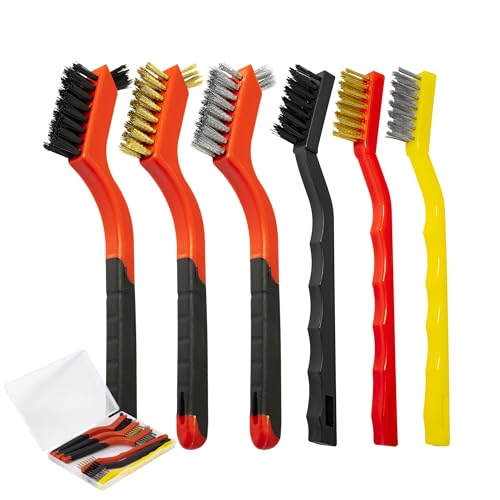
- Furniture cleaning brush set for wood surfaces
- Soft cotton cloths or cotton balls
- Isopropyl alcohol (optional for alcohol-soluble stains)
- Fine-grade steel wool or synthetic pad (very gentle, optional)
- Wood conditioner or polish (optional for aftercare)


Before You Start
Plan for a calm, controlled cleaning session. Protect nearby surfaces with a drop cloth and work in a well-ventilated area. Always spot-test any cleaner in a hidden corner to confirm it won’t change the wood color or finish. Allow the surface to dry fully between steps to gauge progress. Important cautions: avoid soaking the wood, which can cause warping or finish damage; never use abrasive cleaners on delicate finishes; and keep cleaners away from finishes that are cracked or peeling, as this can worsen the problem.
Step-By-Step: How To Clean A Wooden Table With Stains
- Identify the stain type by appearance and source: water-based rings, oil-based marks, ink, or dye. This helps select the right approach and prevents spreading.
- Prepare the surface: wipe away loose dust with a soft microfiber cloth. Ensure the area is dry before applying any cleaner.
- Apply a small amount of wood stain remover gel to a clean, soft cloth. Gently rub the stained area in the direction of the grain, using light, circular motions. Do not scrub aggressively, as this can remove finish.
- Allow the gel to sit for the time recommended by the product label, then wipe away with a clean cloth. Check progress; repeat if necessary, testing a hidden area first.
- If the stain remains, dampen a microfiber cloth with a mild soap solution or isopropyl alcohol (for alcohol-soluble stains) and lightly wipe the area. Avoid over-wetting the wood.
- For stubborn or ingrained marks, use a soft cleaning brush set for wood surfaces to lift the residue from grain lines. Work in the direction of the grain and rinse with a damp cloth after brushing.
- Dry the area completely with a clean, dry microfiber cloth. Inspect the finish for uniformity; if the color is lighter, you may need a wood conditioner or light polish to restore the sheen.
- Optional final step: apply a thin layer of wood conditioner or furniture polish to protect the surface and improve resistance to future stains. Buff with a dry cloth until shiny but not greasy.
- For recurring staining on high-use tables, consider using coasters, placemats, or protective pads to minimize future damage.
- Repeat steps in areas where stains persist, ensuring the surface dries fully between attempts. If you notice finish damage or color change, stop and assess the need for professional refinement.
Troubleshooting
| Symptom | Likely Cause | Fix | Prevention |
|---|---|---|---|
| Stain returns after cleaning | Ink or dye deeply penetrates finish | Apply stain remover again and consider a light refinishing if needed | Use coasters and wipe spills promptly |
| Finish dulls or scratches appear | Aggressive scrubbing or abrasive tools | Switch to gentler methods; stop using steel wool unless advised for the finish | Regular cleaning with microfiber cloths |
| Discoloration around cleaned area | Uneven absorption of cleaner | Re-test in hidden area, reapply gently along grain | Test cleaner first; follow grain direction |
| Water stains reappear after drying | Finish compromised or underlying moisture trapped | Consult a refinishing guide or professional | Avoid excess moisture; use coasters |
Common Mistakes
- Using bleach or ammonia-based cleaners on wood finishes, which can cause damage and color changes.
- Soaking the wood with liquids; this can lead to warping or finish lifting.
- Rubbing against the grain with rough pads; this can create micro-scratches and dull patches.
- Skipping a test patch; color shifts may occur on certain finishes.
Tips For Best Results
- Always work in the direction of the wood grain to minimize disruption to the surface.
- Use the right tools: microfiber cloths for gentle lifting, and a soft brush for netting out ingrained residues.
- Apply the stain remover gel sparingly and follow the product’s instructions for dwell time.
- After cleaning, maintain a consistent finish by conditioning the wood and applying a lightweight protective polish periodically.
Call A Professional
Residents should consider professional help if stains cover a large area, the finish is peeling or damaged, or there is suspected water damage beneath the veneer. Signs to seek a pro include bubbling, darkening that extends beyond the cleaned area, or persistent staining after multiple cleaning attempts. A refinishing expert can assess whether spot treatment, re-staining, or complete refinishing is required to restore the table safely.
FAQ
Can I use ordinary household cleaners on a wooden table?
Plain mild soaps are generally safe, but avoid harsh chemicals that can strip the finish. Always test on a small area first.
Is it safe to use a microfiber cloth for all wood finishes?
Yes, microfiber cloths are gentle and effective for most finishes, but avoid rough patterns that may snag delicate surfaces.
What should I do if the stain is water-based?
Water-based stains respond well to gentle cleaners and blotting. If not lifting, use a wood stain remover gel formulated for finished wood.
How long does it take to restore a stained wooden table?
Most stains respond within a few hours across multiple light passes; deeper or aged stains may take longer and require repeat treatments.
Can I refinish the table after cleaning?
If the finish is compromised or stains persist, refinishing may be the best long-term solution. Consult a professional for guidance.
Should I use heat or direct sunlight to dry the wood after cleaning?
Avoid direct heat sources and strong sunlight that can warp or fade the wood; air-drying at room temperature is safest.
Buying Guide
Choosing the right products helps maintain the beauty and longevity of a wooden table. Consider size, coating type, and finish when selecting cleaners and protective treatments. Key factors include:
- <bSize and finish compatibility: Ensure cleaning products are formulated for the table’s finish, whether polyurethane, varnish, shellac, or wax.
- <bStain remover effectiveness: For stubborn marks, a reputable wood stain remover gel designed for finished wood furniture is often most effective.
- <bAbsorbent cleaning tools: Microfiber cloths provide a safe, lint-free option for lifting residues without scratching.
- <bGentle scrubbing tools: AFurniture cleaning brush set for wood surfaces can help with ingrained dirt in grain lines, but use softly to avoid damage.
- <bProtection and maintenance: Consider a wood conditioner or polish to restore and protect the finish after cleaning.
- <bPlacement considerations: Keep the table away from direct sunlight and heat sources to prevent fading and warping.
When comparing products, look for clear usage directions, compatibility with your table’s finish, and user reviews that reflect real-life performance on finished wood surfaces. If uncertain, start with a small test area before applying any cleaner across the entire table. This cautious approach helps protect valuable furniture while restoring its original luster.
Leave a Reply