How to Clean a Wooden Toilet Seat Safely and Effectively
Wooden toilet seats add a warm, classic look to bathrooms, but they require a careful cleaning approach to protect the wood finish. This guide explains practical steps using common supplies and specifically considers safe cleaners for wooden surfaces. Readers will learn how to remove stains, sanitize without damage, and maintain the seat’s appearance over time.
Quick Answer
Best practice: use a gentle wooden toilet seat cleaner spray or natural disinfectant spray designed for wood, paired with a microfiber cleaning cloth. Wipe lightly, rinse if needed, and dry completely to prevent moisture damage. Avoid abrasive sponges and harsh chemicals that dull the finish.
What You’ll Need
- Wooden toilet seat cleaner spray or natural disinfectant spray for wooden toilet seat
- Microfiber cleaning cloth for wooden toilet seat
- Soft sponge or lint-free cloth (optional)
- Small bowl of water (for light rinsing, if manufacturer recommends)
- Non-abrasive brush or old toothbrush (for seams, if necessary)
 |
Pee Safe Toilet Seat Spray – Citrus Scent | Pee-Poo Before You Go Spray | Compact & Easy to Use – 2.54 Fl Oz (75ml) | |
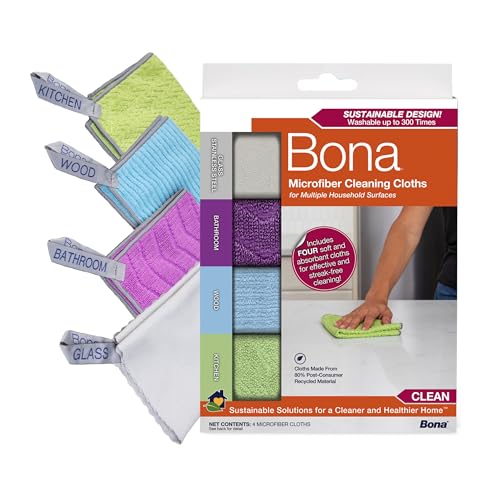 |
Bona® Microfiber Cleaning Cloths Multipack |
Before You Start
Preparation helps prevent water damage and wood swelling. Clear the area and close the toilet lid. Confirm the cleaning product is labeled safe for wood and follow its directions. Test a small hidden area of the seat first to ensure no color change or gloss loss occurs. Time estimate: about 5–10 minutes per cleaning session. Critical cautions: do not soak the seat; avoid ammonia, bleach, or solvent-based cleaners that can strip the finish; never use abrasive pads that scratch the wood.
Step-By-Step: How To Clean A Wooden Toilet Seat
- Open and lower the toilet seat to access both sides. Dust loose debris with a dry microfiber cloth.
- Lightly spray the wooden toilet seat cleaner spray onto the surface or onto a microfiber cloth, not directly onto the wood in case of over-saturation.
- Wipe the entire seat, including the under rim where grime tends to collect. Use a circular motion for even coverage.
- For stubborn spots or ink marks, apply a touch more spray to a cloth and gently rub. Avoid rubbing too hard to protect the finish.
- Rinse the cloth in clean water and wipe the seat again to remove any residue, if the product requires it. Dry immediately with a dry microfiber cloth.
- Clean the hinges and edges with a separate damp cloth, then dry fully. Water around the hinge area can lead to wood swelling over time.
- Inspect the wood’s surface for dullness or signs of wear. If needed, apply a thin, wood-safe conditioner or finish recommended by the seat brand, following the instructions.
- Close the toilet seat and wipe the underside lightly to complete the cleaning cycle. Store cleaning supplies in a dry area away from water exposure.
Troubleshooting
| Symptom | Likely Cause | Fix | Prevention |
|---|---|---|---|
| Finish dulls after cleaning | Harsh chemical or over-wetting | Switch to natural disinfectant spray for wooden toilet seat and use minimal moisture | Use recommended products and dry promptly |
| Water stains appear | Excess moisture absorbed | Stop using water on the surface; dry immediately | Keep cloth damp, not dripping |
| Scratch marks | Abrasion from pads | Switch to microfiber cloth and avoid abrasive tools | Gentle wiping only |
| Discoloration around hinge | Moisture exposure | Wipe hinges dry and consider wood-safe sealant | Regular quick dries after cleaning |
Common Mistakes
- Using harsh solvents or bleach on wood finishes
- Soaking the seat or letting moisture linger in joints
- Scrubbing with abrasive pads that scratch the surface
- Skipping a test patch before full cleaning
Sticking to gentle cleaners and quick-dry methods helps preserve the seat’s appearance and longevity.
Tips For Best Results
- Always follow the product instructions and test in a hidden area first.
- Pair a dedicated microfiber cleaning cloth with every cleaning for better lint-free results.
- Choose a wooden toilet seat cleaner spray formulated for wood to maintain the finish.
- Consider a preventive routine: wipe weekly with a light spray and dry thoroughly to prevent buildup.
- Store cleaning products in a cool, dry place to maintain their efficacy and safety for wood finishes.
Call A Professional
Seek professional help if the wood shows significant cracking, warping, or water damage that affects the seat’s structural integrity. Persistent staining or finish peeling that does not respond to gentle cleaners may require refinishing or replacement. If uncertain about the right product for your specific wood type or finish, consult the seat manufacturer’s guidelines or a kitchen and bath restoration expert.
FAQ
Can I use regular household disinfectants on a wooden toilet seat?
Only if they are labeled safe for wood finishes. Avoid ammonia-based or solvent-heavy cleaners that can dull or damage wood.
Is it necessary to rinse after cleaning a wooden toilet seat?
Rinse or wipe off residue when directed by the product label; otherwise, wipe dry to prevent moisture exposure.
How often should I clean a wooden toilet seat?
Weekly light cleaning is common, with a deeper clean as needed when grime builds up or stains appear.
What should I do about hinges and mounting areas?
Wipe hinges with a damp cloth and dry, ensuring no moisture pools around joints to prevent swelling.
Are there eco-friendly options for wooden toilet seats?
Yes, look for natural disinfectant sprays formulated for wood and microfiber cloths designed for reusable cleaning without harsh chemicals.
Buying Guide
When selecting products to clean a wooden toilet seat, consider size, noise level (for any cleaning devices), energy efficiency of electric tools if used, controls, and placement in the bathroom. Key buying factors include:
- <bSize and compatibility: Ensure cleaners come in bottle sizes easy to handle and compatible with your seat’s finish.
- Safety and material compatibility: Choose wooden toilet seat cleaner spray and natural disinfectant spray for wooden toilet seat that specify wood-safe formulations.
- <bEase of use: A spray bottle paired with a microfiber cloth reduces friction and risk of damage.
- <bSurface finish considerations: For sealed finishes, a mild cleaner is usually sufficient; unfinished wood may require sealing projects after cleaning.
- <bMaintenance needs: Regular cleaning routines with quick-dry steps help maintain wood and reduce wear.
- <bPlacement and storage: Keep cleaning products away from moisture-prone areas and out of reach of children.
Choosing the right combination of cleaner and cloth will simplify maintenance and extend the life of a wooden toilet seat. If you want a streamlined routine, the recommended pairing includes a wood-safe cleaner spray and a dedicated microfiber cloth, ensuring effective cleaning without compromising wood finish.
Leave a Reply