How to Clean Silly Putty
Silly Putty is a fun toy for kids and adults alike, but its sticky nature can leave residues on hands, surfaces, and fabrics. This guide provides practical, step-by-step methods to remove dried or fresh putty using common household tools and A few specialty products. The goal is to restore surfaces without damage and prevent future messes.
Quick Answer: Start by loosening and scraping with a plastic scraper, dab with Goo Gone on tough spots, then finish with a microfiber cloth for a clean, residue-free result. For fabric, launder after treatment and air dry.
What You’ll Need
- Plastic scraper or putty knife
- Goo Gone adhesive remover spray
- Microfiber cleaning cloth for sticky residue and putty cleanup


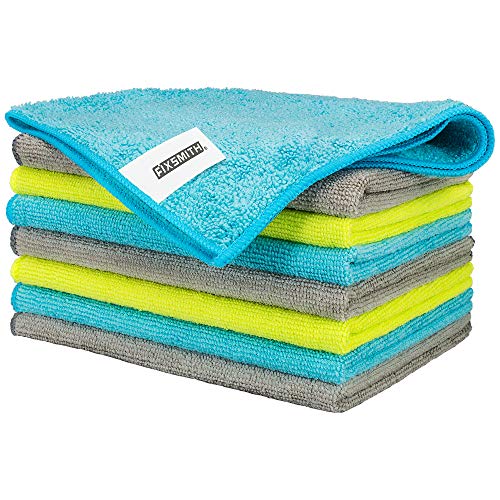
Before You Start
Read product labels before use and test a small, inconspicuous area first. Work on a clean, dry surface to avoid spreading the putty. For fabrics, treat a hidden corner before proceeding to visible areas. Time estimates: 5–15 minutes for fresh putty, 15–45 minutes for dried, with additional drying time for fabrics. Safety cautions include keeping solvents away from eyes and open flames, using in well-ventilated spaces, and wearing gloves if you have sensitive skin.
Step-By-Step: How To Clean Silly Putty
- Gently peel and lift as much putty as possible with your gloved fingers to minimize smearing.
- Use a plastic scraper to lift dried or stubborn chunks, working away from the surface to avoid gouges.
- Apply a small amount of Goo Gone to a microfiber cloth or directly to the stained area, following the product label instructions.
- Blot the area with the cloth, allowing the solvent to break down the putty’s oils. Do not rub vigorously, which can spread the stain.
- Wipe away loosened putty and residue with a clean microfiber cloth. Repeat as needed until the surface is clean.
- For fabric or upholstery, test invisibly first, then gently dab with Goo Gone and blot with a clean cloth. Avoid oversaturating the material.
- Rinse or wipe the area with a clean, damp cloth to remove any remaining solvent or debris.
- Dry the surface thoroughly. If color transfer occurs, repeat the treatment and consider laundering textiles per care instructions.
- For electronics or delicate surfaces, skip liquids and rely on dry methods or manufacturer-approved cleaners to prevent damage.
- Dispose of used cloths and wrappers as directed by the product label and local guidelines.
- If remnants persist, repeat the steps or consult the manufacturer’s cleaning recommendations for the specific material.
- Finish with a light microfiber wipe to restore the surface’s original feel and finish.
Troubleshooting
| Symptom | Likely Cause | Fix | Prevention |
|---|---|---|---|
| Putty reappears after cleaning | Powdery residue or oil from putty | Reapply Goo Gone and blot with a fresh microfiber cloth | Clean promptly after contact; avoid letting putty dry on fabric |
| Stains on fabric | Color transfer or dye rise | Test in hidden area first; consider a fabric-safe cleaner or professional cleaning | Spot-clean quickly and avoid over-wetting |
| Surface scratches after scraping | Excessive force with scraper | Use light pressure and a softer scraper if necessary | Take time; use a more flexible tool for curved edges |
| Solvent odor lingering | Overuse of Goo Gone | Ventilate area and wipe with a damp cloth to remove residue | Use the minimum effective amount |
Common Mistakes
- Using metal tools that scratch delicate surfaces
- Over-saturating fabrics with solvents
- Rubbing putty deeper into fibers or seams
- Ignoring manufacturer care labels on textiles and electronics
Tips For Best Results
- Work in small, controlled areas to prevent spreading putty elsewhere.
- Always test cleaning products on an inconspicuous spot first.
- Keep a dry microfiber cloth handy for quick blotting and lifting before solvents are applied.
- For repeated messes, consider keeping Goo Gone and a microfiber cloth within easy reach in the play area.
Call A Professional
Seek professional help if the putty stain is extensive, on valuable fabrics, or on surfaces prone to damage. Stop cleaning and contact a professional if you notice any of these signs: dye bleeding from the material, warping of surface finishes, or electronics exposure. If you’re unsure about compatibility with coatings, coatings, or finishes, a professional can provide safe, material-specific guidance.
FAQ
Is Goo Gone safe on all surfaces?
Goo Gone is formulated for many surfaces, but always test first on a hidden area and follow the label directions to avoid damage.
Can Silly Putty stains be removed from fabric?
Yes, with prompt treatment using a solvent and gentle blotting, then laundering according to fabric care instructions.
What should I do if the putty dries on the surface?
Loosen with a plastic scraper, apply a small amount of Goo Gone, and blot with a microfiber cloth before rinsing.
Can I wash textiles after cleaning with solvents?
Yes, follow the fabric’s care label; use a mild detergent and air dry if possible to avoid heat setting stains.
Are there alternatives to Goo Gone?
There are several adhesive removers and citrus-based cleaners; always test compatibility before use.
What if the stain persists after cleaning?
Repeat the steps or consider professional cleaning for fabrics or delicate surfaces.
Buying Guide
When choosing cleaning tools and products for Silly Putty, consider several factors to maximize effectiveness and minimize risk. This guide focuses on practicality for American households.
- <bSize and shape: A plastic scraper with a thin edge is ideal for tight corners and surfaces; avoid metal that could scratch.
- <bNoise level: Manual scrapers are quiet; solvents and spray products operate with little noise but require ventilation.
- <bEnergy efficiency: Not applicable; cleaning is low-energy, but choose efficient, compact products that are easy to store.
- <bControls: Simple spray triggers and wipe-on formulas are user-friendly; avoid complex mechanisms that slow cleaning.
- <bPlacement: Store Goo Gone, microfiber cloths, and scrapers in a cleaning kit near play areas for quick access.
- <bPerformance: Look for versatile cleaners that handle adhesives and sticky residues beyond Silly Putty for value.
- <bSurface compatibility: Check labels to ensure the product works on plastics, fabrics, wood, and glass common in homes.
- <bPrice and availability: Compare multiple brands and keep reading reviews for real-world performance; affordable, effective options are ideal.
- <bBrand and safety: Choose products with clear safety instructions and non-damaging claims for household use.
By selecting appropriate tools and following the steps above, most Silly Putty messes can be removed efficiently. Curious about a specific surface? Consider testing first and adjusting the method as needed.
Leave a Reply