How to Clean a Bamboo Cutting Board
Bamboo cutting boards are popular in American kitchens for their durability and natural antimicrobial properties. Proper cleaning extends their life and keeps flavors from transferring between foods. This guide provides practical, step-by-step methods using common kitchen tools and safe products.
Whether you’re a casual cook or a meal-prep pro, following a regular cleaning routine helps prevent warping, cracking, and lingering odors. The tips below emphasize gentle cleaning, effective sanitization, and routine maintenance to keep bamboo boards in top condition.
Quick Answer
Clean after each use with warm water and mild soap, dry immediately, and apply food-grade mineral oil periodically to prevent drying. For stubborn stains or odors, use a dedicated bamboo cutting board cleaning brush with nylon bristles or a silicone edge board scraper to lift debris without scratching.
What You’ll Need
- Bamboo cutting board
- Warm water and mild dish soap
- Bamboo cutting board cleaning brush nylon bristles
- Clean cloth or paper towels
- Food grade mineral oil for bamboo cutting boards
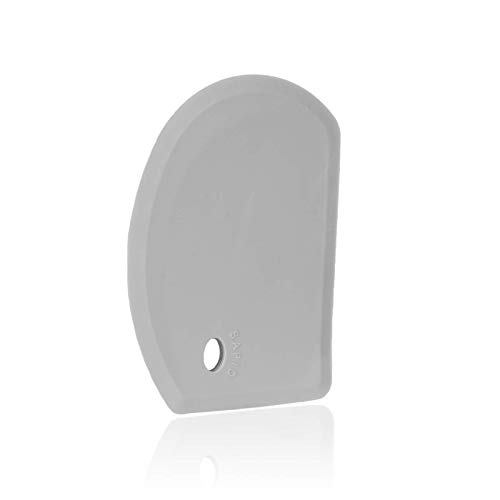
- Silicone edge board scraper for cleaning cutting boards
- Optional white vinegar or hydrogen peroxide (for sanitizing)


Before You Start
Plan for a quick cleaning routine immediately after use to prevent stains and odor absorption. Safety notes: never soak a bamboo cutting board for extended periods, and avoid exposing it to high heat or dishwasher cycles, which can warp the wood fibers. Allow ventilation while drying to prevent moisture buildup. Time estimate: 5–15 minutes for routine cleaning; 20–30 minutes for deeper sanitizing or oiling.
Cautions: Avoid harsh abrasives that can scratch the surface. Do not rely on metal scrubbers that can gouge the bamboo. If the board develops deep cracks, consider replacement or professional refinishing.
Step-By-Step: How To Clean A Bamboo Cutting Board
- Rinse the board under warm running water to remove loose crumbs and debris.
- Apply a small amount of mild soap and scrub with the bamboo cutting board cleaning brush nylon bristles, focusing on knife marks and the edges.
- Rinse thoroughly to remove all soap residue. Use the silicone edge board scraper to lift stubborn particles from corners.
- Dry immediately with a clean cloth or lay on a rack to air-dry completely before placing away.
- For lingering odors, wipe the surface with a cloth dampened with white vinegar or a hydrogen peroxide solution, then rinse and dry.
- Condition the board by applying a thin layer of food grade mineral oil for bamboo cutting boards. Let it soak for a few hours or overnight, then wipe off any excess.
- Store the board upright or in a well-ventilated area to ensure complete drying and to prevent moisture buildup.
- Schedule regular oiling (every few weeks for heavy use) to maintain moisture balance and prevent cracking.
- If the board shows knife-scars, lightly sand with fine-grit sandpaper, wipe clean, and re-oil as described above.
- Occasional sanitizing: For deeper disinfection, wipe with a solution of one tablespoon of white vinegar per cup of water, let sit briefly, then rinse and dry completely.
- Always avoid soaking the board or placing it in the dishwasher, which can warp and weaken the fibers.
Troubleshooting
| Symptom | Likely Cause | Fix | Prevention |
|---|---|---|---|
| Persistent odor | Food particles trapped in pores | Clean with brush and rinse; sanitize with vinegar or hydrogen peroxide | Oil regularly to seal pores |
| Stains that don’t lift | Color from foods like beets or turmeric | Use a gentle scrub and consider sanding lightly, then re-oil | Prompt cleaning after use; avoid prolonged contact with strong pigments |
| Warping or cracking | Excess moisture or improper drying | Ensure thorough drying; avoid soaking; re-oil sparingly | Store dry and upright; oil at recommended intervals |
| Surface rough or gouged | Heavy use and cutting into the board | Lightly sand with fine-grit sandpaper and re-oil | Use a cutting technique that minimizes deep grooves |
Common Mistakes
- Submerging or soaking the board in water for long periods
- Using harsh chemical cleaners or bleach on the surface
- Skipping drying time or stacking boards while still damp
- Neglecting to re-oil after cleaning, leading to drying and cracks
Keeping these pitfalls in mind helps maintain a smooth, durable surface that resists odors and stains over time.
Tips For Best Results
- Use a dedicated bamboo cutting board cleaning brush with nylon bristles for effective cleaning without scratching.
- Choose a food grade mineral oil designed for cutting boards to keep the sides and surface supple.
- Apply oil in a circular motion and allow excess oil to sit overnight before wiping off.
- A silicone edge board scraper can remove stubborn residue from grooves without damaging the board.
- Establish a routine: clean after every use, sanitize periodically, and oil every few weeks for ongoing protection.
Call A Professional
Contact a professional if the board shows deep, spreading cracks, severe warping, or if infestation signs appear (mold growth, significant softening). Seek guidance from a cabinet maker or kitchenware service if you suspect structural failure beyond routine maintenance.
FAQ
Can I use olive oil on bamboo cutting boards?
Yes, but food-grade mineral oil is preferred for long-term conditioning as it remains stable and odorless.
Is it safe to sanitize bamboo boards with vinegar?
Yes, white vinegar is safe for routine sanitizing when diluted with water and thoroughly rinsed afterward.
How often should I oil a bamboo cutting board?
Oil every few weeks for heavy use, or when the surface begins to look dry or pale.
Should I put bamboo boards in the dishwasher?
No, dishwasher cycles can warp and damage bamboo boards; clean by hand only.
What’s the best way to remove stubborn stains?
Scrub with a nylon-bristle brush, then lightly sand the surface and re-oil if necessary.
Buying Guide
Choosing the right bamboo cutting board involves considering size, durability, and how it fits into your kitchen workflow. Here are key factors to evaluate:
- Size: Pick a board that fits your typical prep spaces and chopping needs. Larger boards offer more working surface but require more storage.
- Material quality: Look for solid bamboo with tight grain. Avoid boards with visible seams or splinters.
- Finish: A food-grade mineral oil finish helps maintain moisture balance and extends life. Some boards come pre-oiled; reapply oil as needed.
- Maintenance routine: Consider how easy it is to clean and oil the board. Tools like a bamboo cutting board cleaning brush and silicone edge board scraper can simplify upkeep.
- Placement and usage: If you prefer dual-use boards (prep and serving), choose a flat, stable design and ensure proper drying space to prevent moisture buildup.
- Noise and maintenance trade-offs: Heavier boards tend to be sturdier but require more careful drying. Lightweight boards dry faster but may show wear sooner.
- Safety and hygiene: Ensure the board is food-safe and easy to sanitize without harsh chemicals.
By aligning these factors with your cooking style, you can select a bamboo cutting board that stays clean, lasts longer, and remains a staple in daily meal prep. If you frequently handle raw proteins and vegetables, pairing with a dedicated cleaning brush and regular oiling is especially beneficial.
Leave a Reply